For years now, the Die Vier von der Tankstelle (Four from the Gas Station) have been roaming across an area stretching out to the south of the Baltic Sea. They prowl their way through sparsely populated areas, wantonly terrorizing the inhabitants. The 2026 calendar by Jos de Gruyter and Harald Thys bears witness to their presence.
The first monograph dedicated to Lorenza Longhi, published with the Kunst Museum Winterthur, adopts a format associated with prototypes, manuals, or working documents. Its irregularities reflect Longhi’s ongoing examination of value, functionality, and the aesthetics of the everyday.
This publication is an extensive monograph devoted to the work of Carlos Bunga, published in conjunction with his eponymous show at CAM – Gulbenkian. In addition to a number of essays, which offer an in-depth look at his multifaceted practice, the book contains previously unpublished photos that reveal his working process.
The paintings and drawings by Jake Grewal draw the viewer in through stillness and ambiguity: they invite reflection on how we inhabit places—physically and emotionally—and how our inner landscapes mirror the physical world. This is the Grewal’s first book, published to accompany the artist’s exhibition at Studio Voltaire.
The transformation of the notion of monuments and the way cultural institutions choose to deal with it find in Maurizio Cattelan an interpreter capable of manipulating historical memory and shared symbols, to the point of turning them into a terrain of doubt and play. Lisa Parola and Lorenzo Giusti investigate the potential of contemporary art within the public sphere.
This is a visual archive of 12 years of developing, designing and exhibiting the House of One, a multireligious sacred space in the heart of Berlin. The architecture, conceived by Kuehn Malvezzi, has been displayed at various venues while being developed in close collaboration with three local religious communities in Berlin since 2012.
Edited by Lorenzo Giusti and Valentina Gervasoni
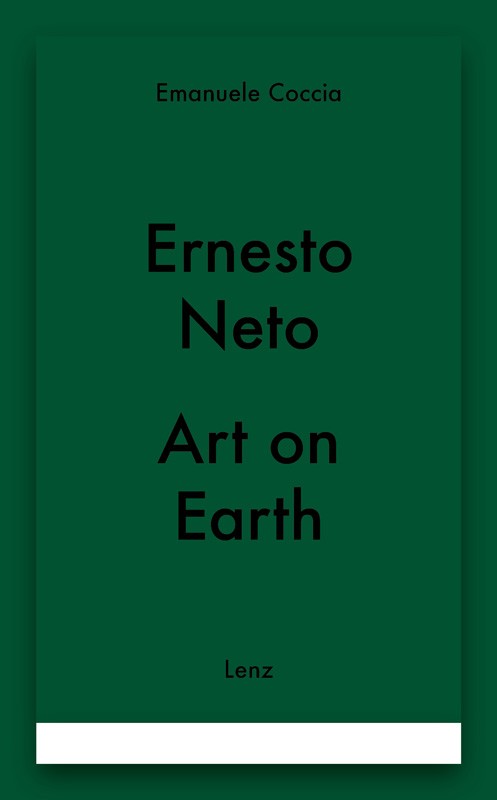
Texts by Emanuele Coccia and Ernesto Neto
Designed by Lorenzo Mason Studio
2025, English / Italian, softcover, 11 x 17.7 cm, 96 pages
ISBN 979-12-80579-62-1
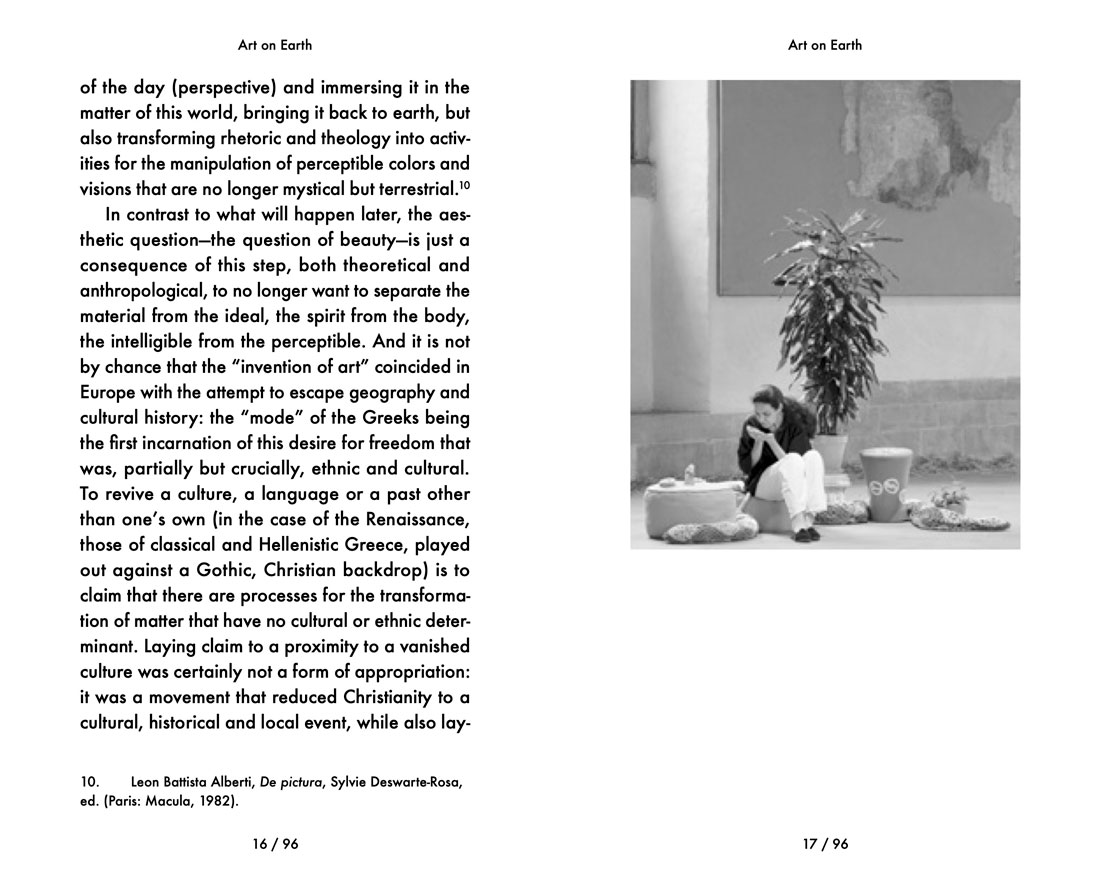
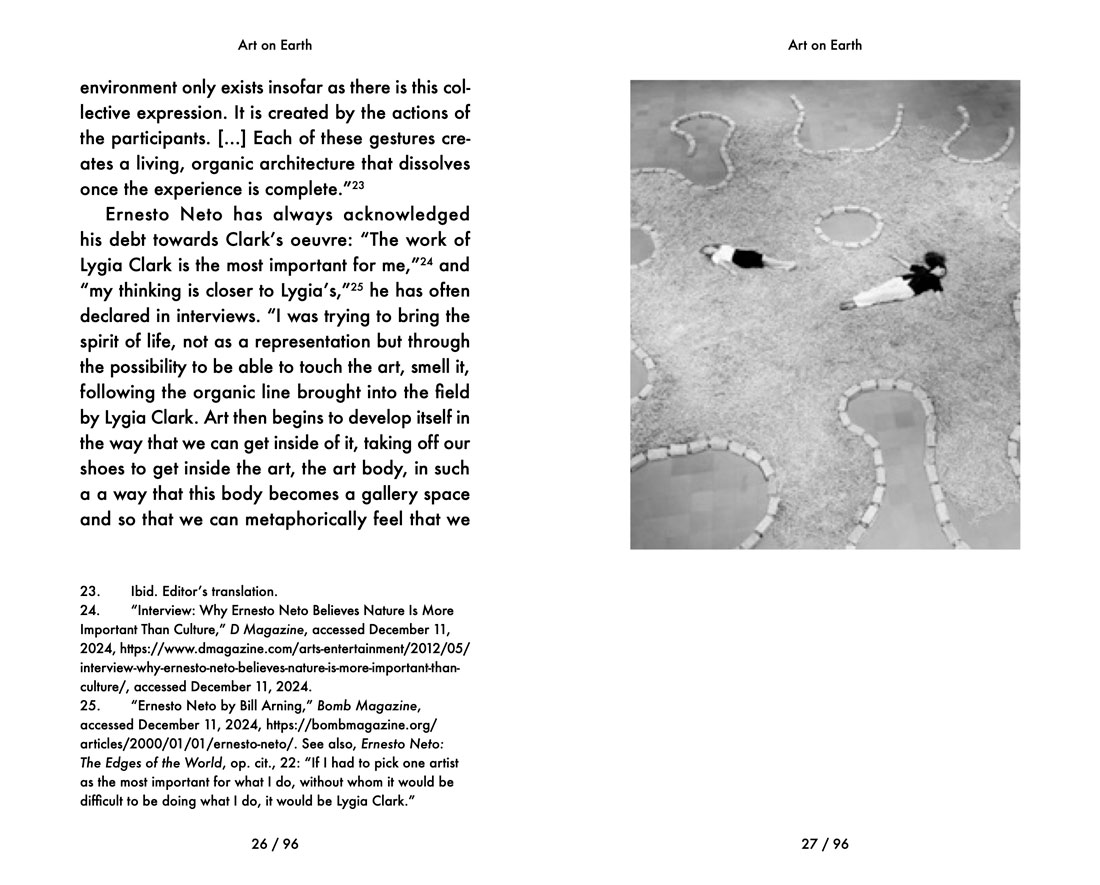
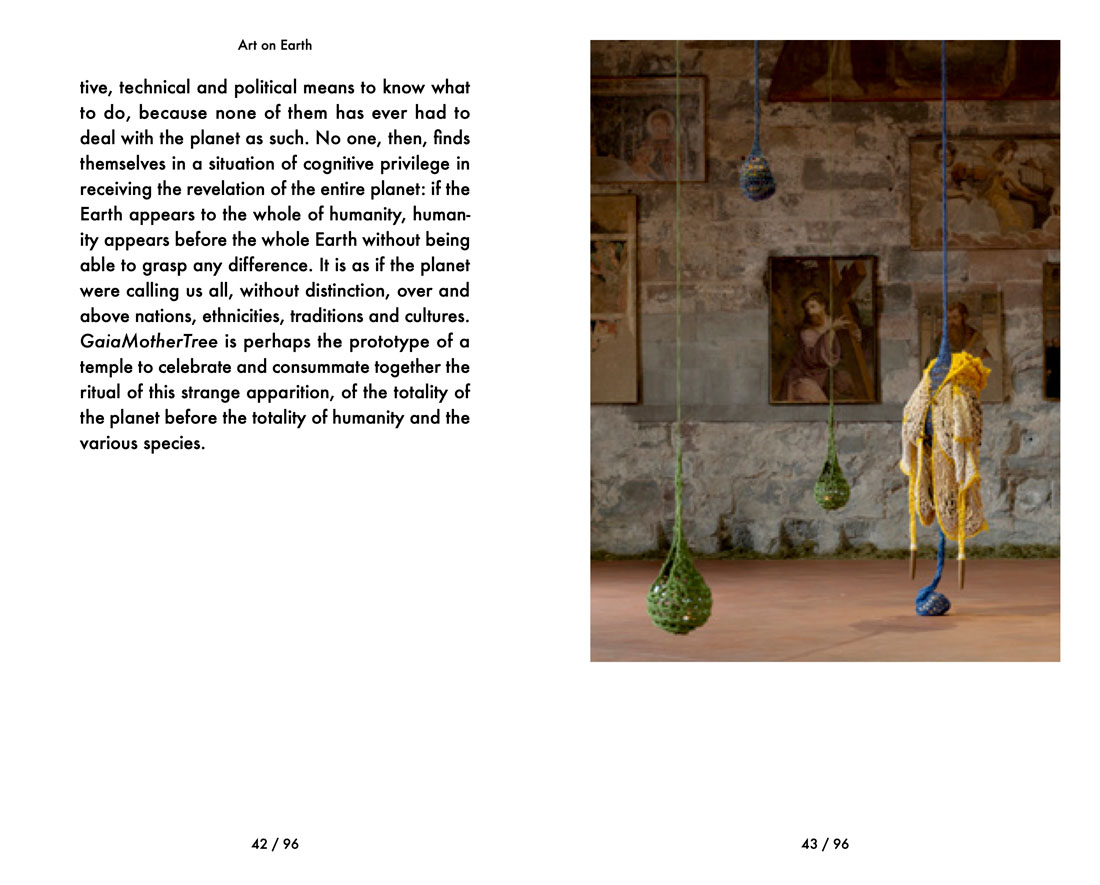
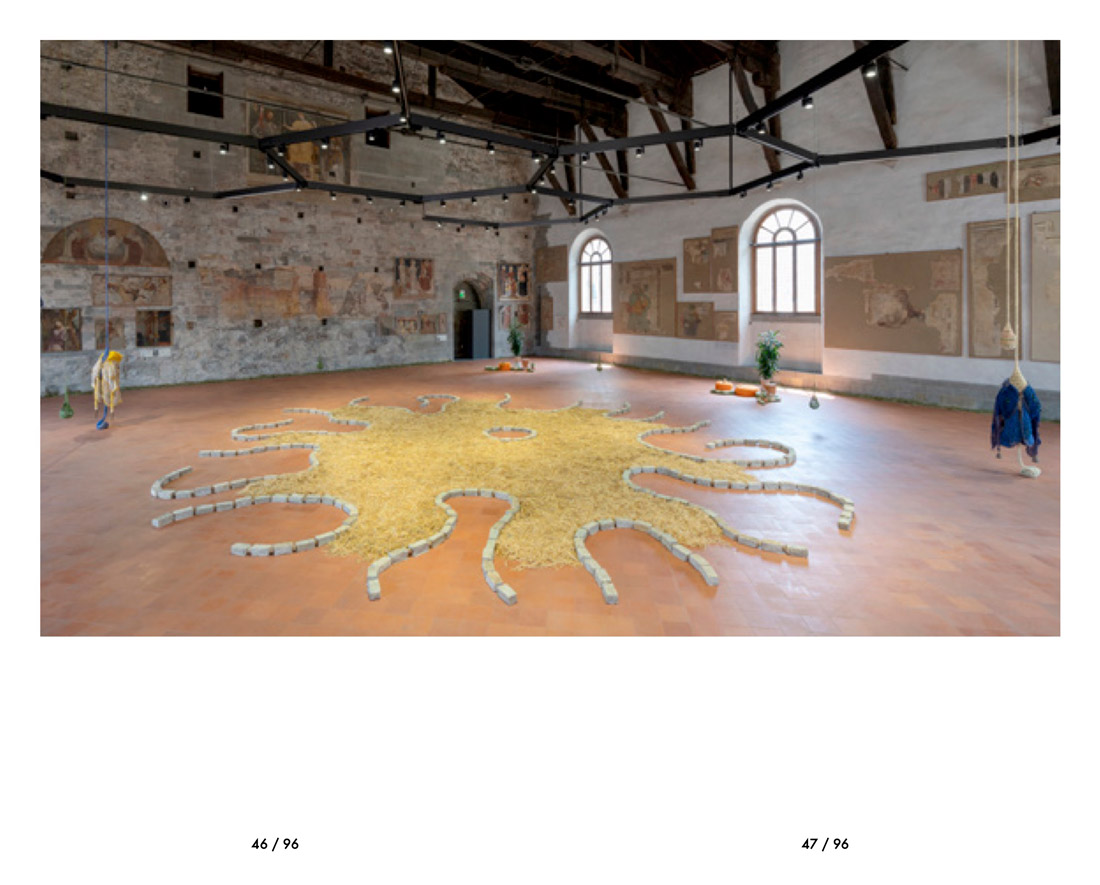
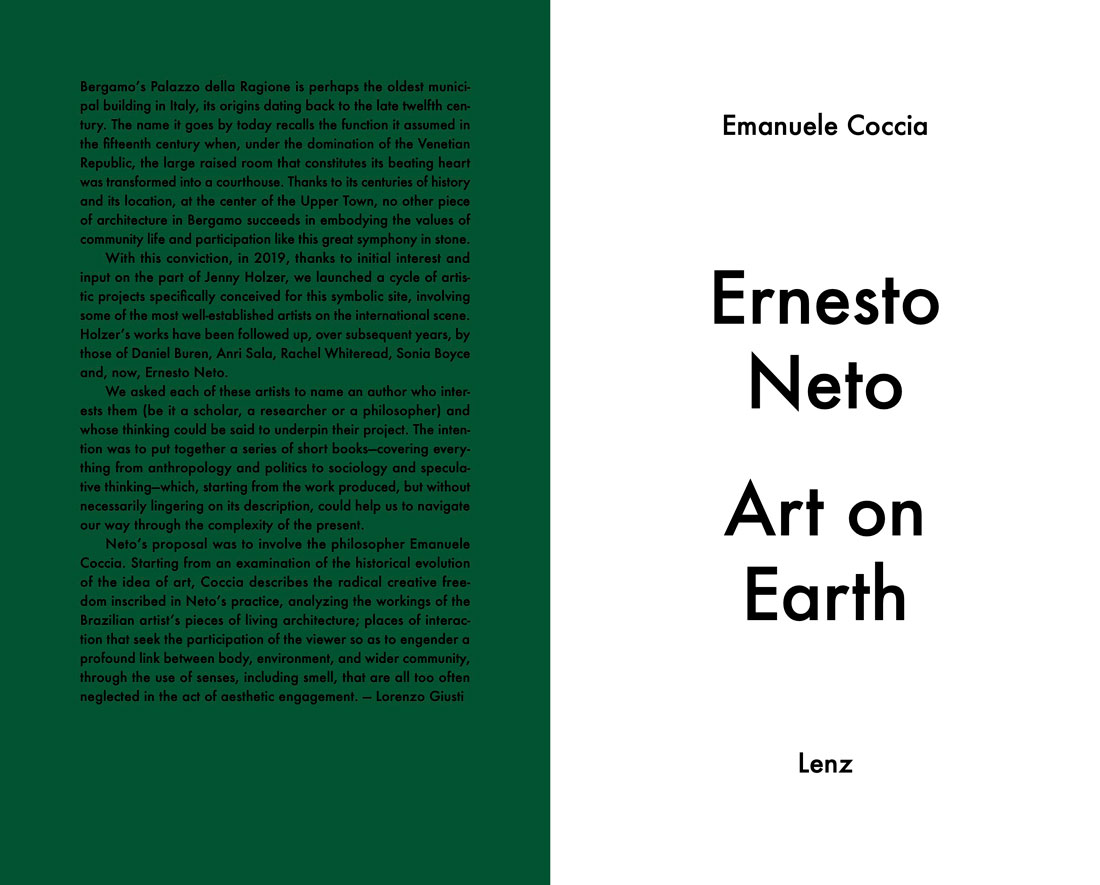
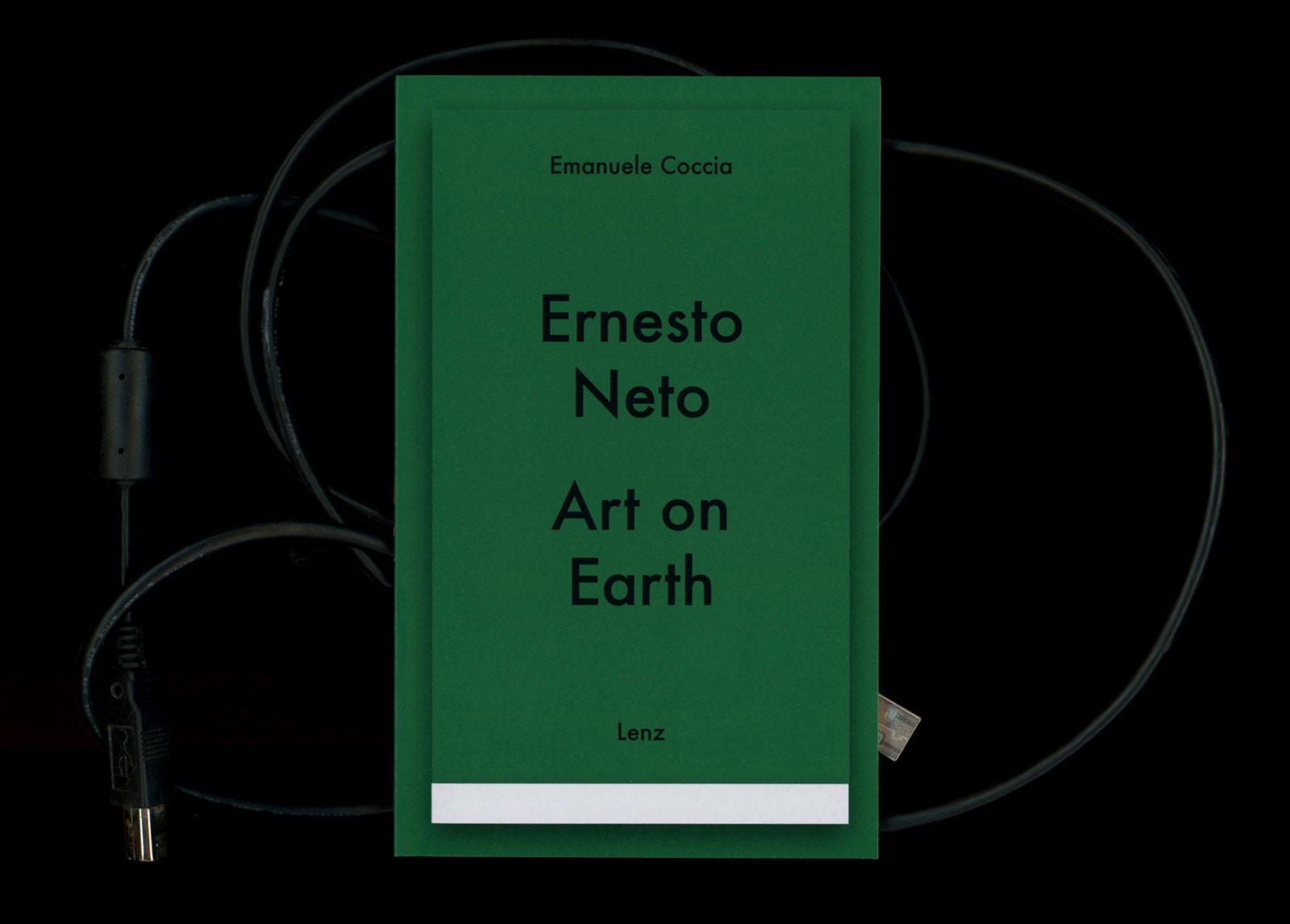
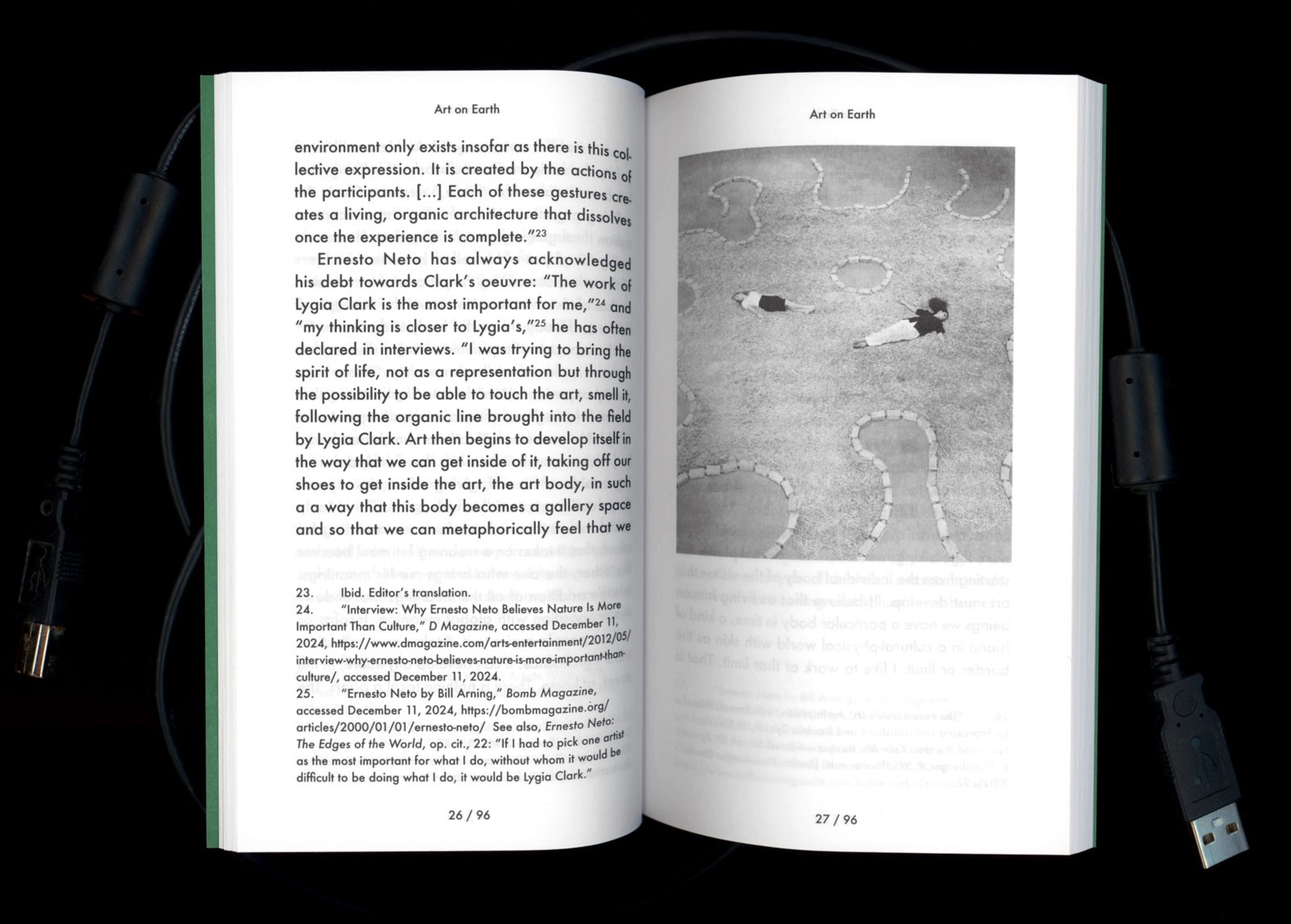
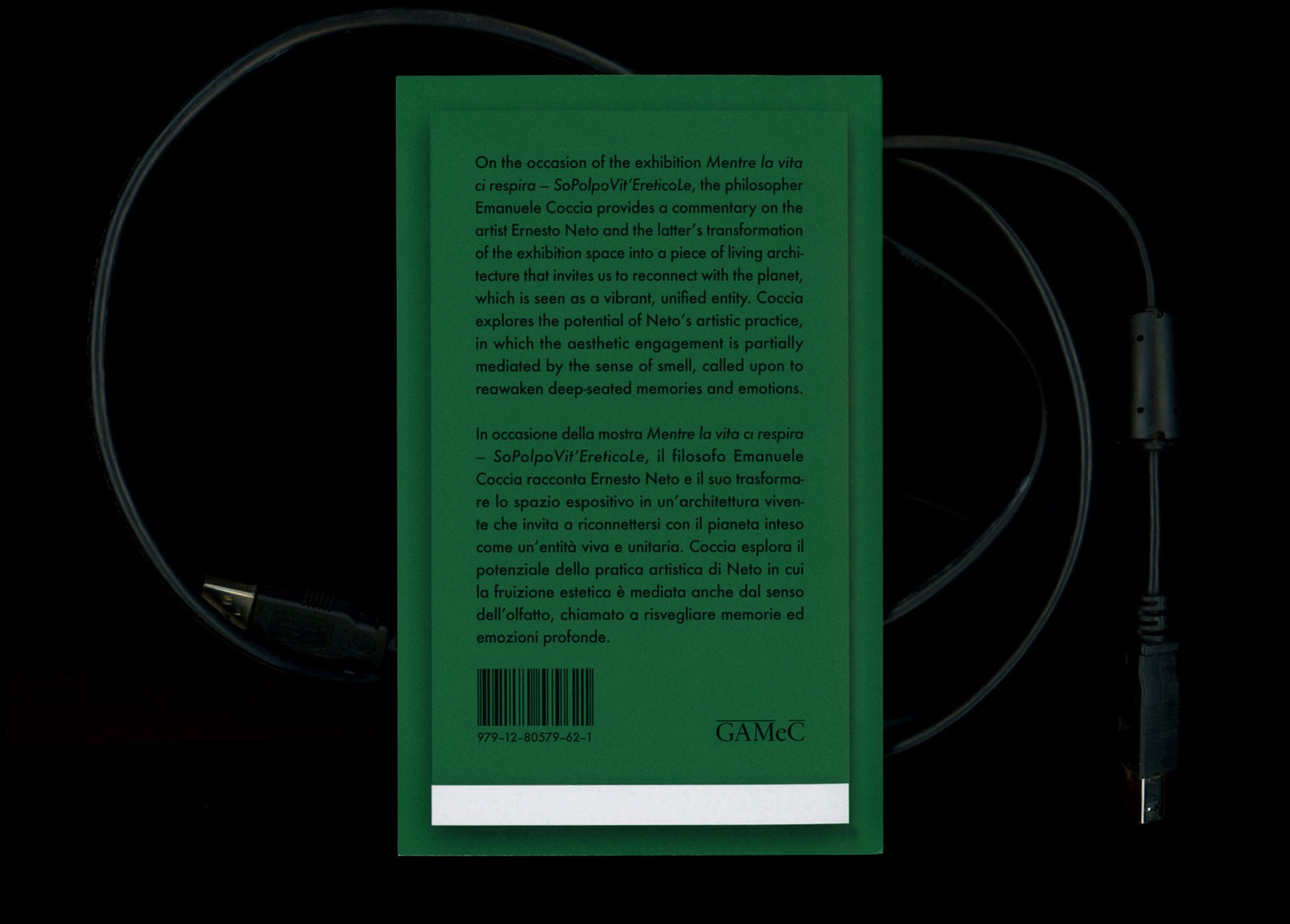
On the occasion of the exhibition Mentre la vita ci respira – SoPolpoVit’EreticoLe, Emanuele Coccia provides a commentary on the practice of the artist Ernesto Neto and the latter’s transformation of the exhibition space into a piece of living architecture, a place of interaction that seeks the participation of the viewer so as to engender a profound link between body, environment, and wider community. Coccia explores the potential of Neto’s artistic practice, in which the aesthetic engagement is partially mediated through the use of senses, including smell, that are all too often neglected in the act of aesthetic engagement and are here called upon to reawaken deep-seated memories and emotions.
Art on Earth is the third book in a series of short essay collections inspired by the site-specific art projects specially conceived for GAMeC at Palazzo della Ragione, a symbolic, time-honored location within the city of Bergamo that embodies the values of community life and participation. The artist was asked to name an author who interests him—be it a researcher, a philosopher, or a scholar—and whose thinking could be said to underpin the project, with a view to finding a path through the complexities of the present day, starting from the work produced but without necessarily lingering on it.