Over the last ten years, Raphael Hefti has created an astonishingly body of work consisting of sculptures and installations, performance and “art-in-public-spaces.” The first comprehensive monograph is published on the occasion of his major exhibition at Kunsthalle Basel.
Between 1998 and 1999, the London-based art collective BANK operated the Fax-Bak Service. The group’s members proof-read and copy-edited more than 300 press releases by galleries. The publication is the most comprehensive record of this notorious project.
SOLD OUT
Sold Out
Listen
On how The BANK Fax-Bak Service started and how it came to be a book
In the Villa Santo Sospir, Jean Cocteau conceived his pictorial work through accumulation, inspired by Greek mythology and the Mediterranean landscape. Architecture permeates the subjects of Mauro Restiffe from a viewpoint that amplifies and reverberates the simple historical record.
Oh mio cagnetto, is the artist’s first book of writings, conceived as an artwork. It is a collection of 81 little poems that revolve around the missed and mourned figure of a puppy. It intentionally plays on the ambiguity of its nature, as both a book distributed in conventional ways and an art object.
When she started writing the Corona Tales, Chus Martínez had been weighing how people and the media were addressing the outbreak of the virus as an unprecedented disaster. One possible contribution, as curator and writer, would be to write a short story a day…
Edited by Lorenzo Giusti and Valentina Gervasoni
Texts by Pietro Roberto Goisis, Antonio Moroni, and Rachel Whiteread
Designed by Lorenzo Mason Studio
2024, English / Italian, softcover, 11 x 17.7 cm, 96 pages
ISBN 979-12-80579-38-6
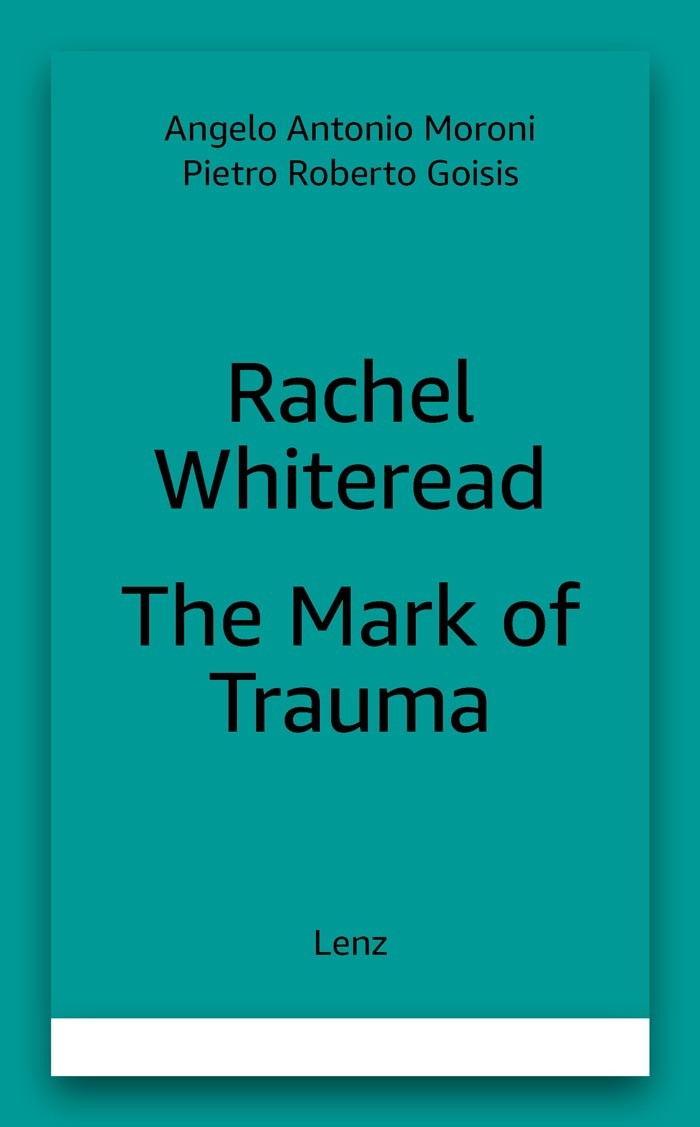
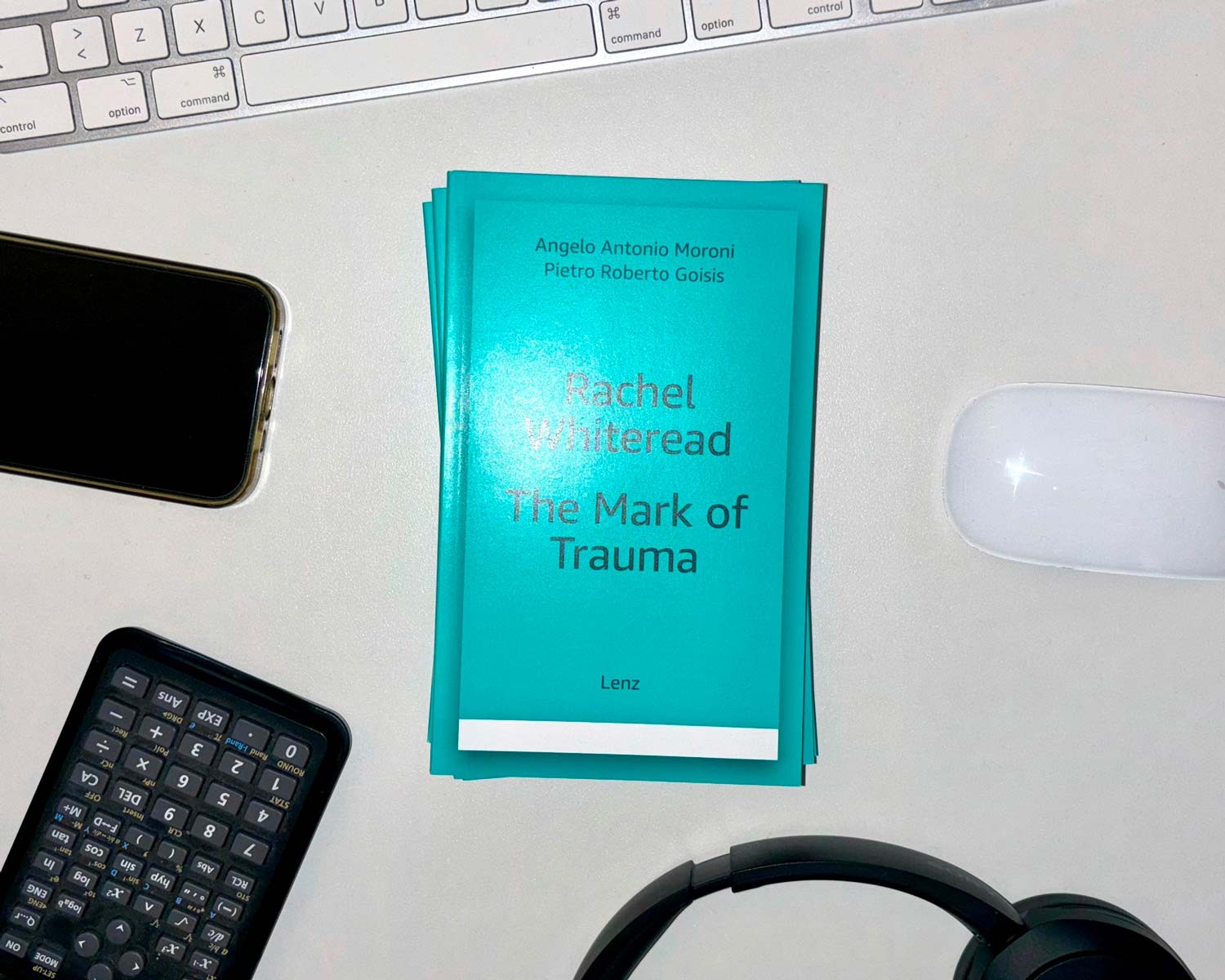
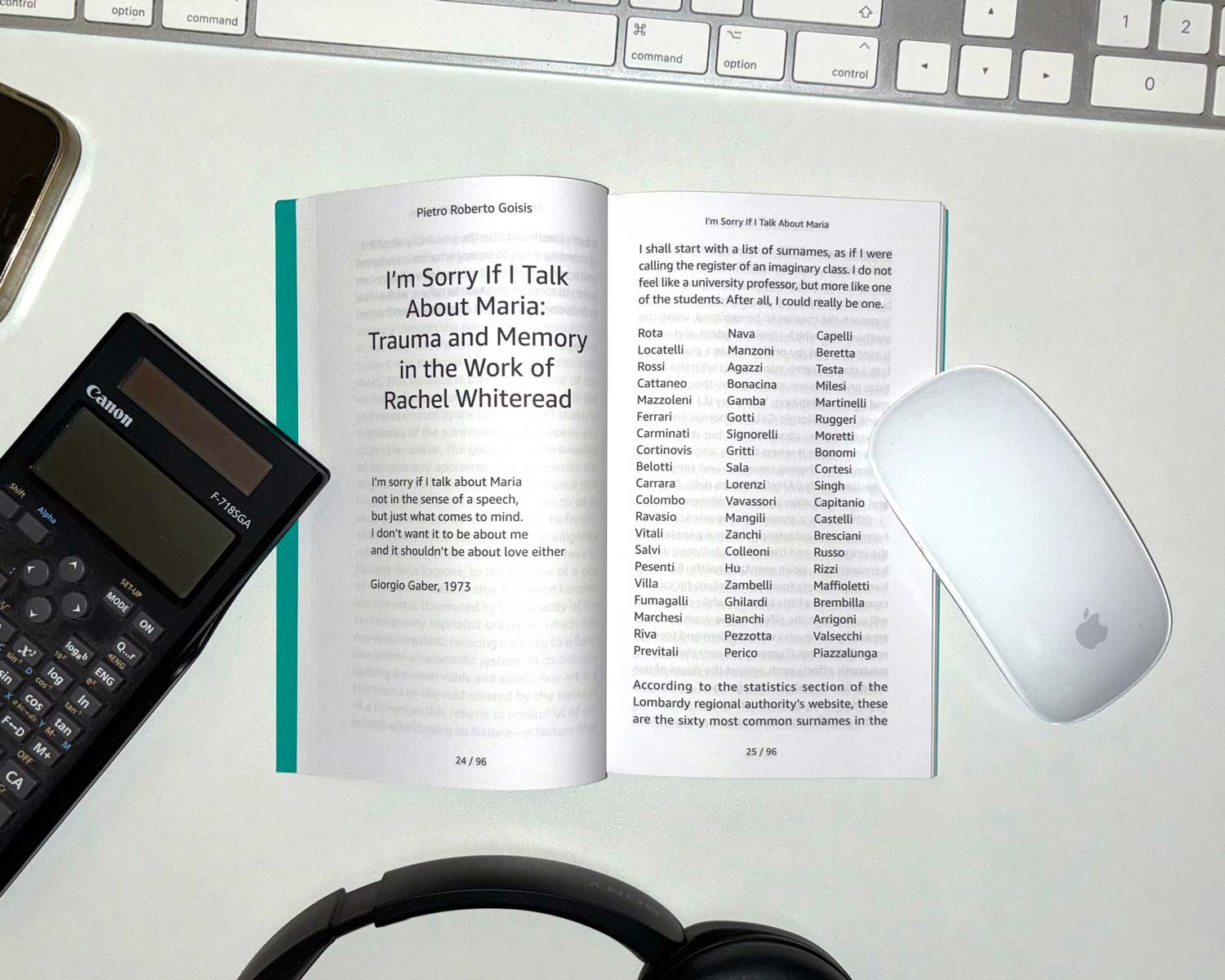
The Mark of Trauma is the first book in a series of short essay collections inspired by the site-specific art projects specially conceived for GAMeC at Palazzo della Ragione, a symbolic, time-honored location within the city of Bergamo that embodies the values of community life and participation. Rachel Whiteread was asked to name an author who interests her—be it a researcher, a philosopher or a scholar—and whose thinking could be said to underpin the project, with a view to finding a path through the complexities of the present day, starting from the work produced but without necessarily lingering on it. Through the words of psychoanalysts Angelo Antonio Moroni and Pietro Roberto Goisis, the book highlights the main characteristics of the collective trauma that gave rise to Rachel Whiteread’s project …And the Animals Were Sold.
For the artist, the exhibition afforded the first opportunity to express herself artistically on the dramatic and alienating experience of the Covid-19 pandemic. Whiteread was so struck by her first visit to Bergamo—one of the first cities to experience a return to pre-pandemic life—that she began thinking about her work as being bound up with the tragic, uncontrolled spread of the pandemic there. As such, the artist wanted to create a close relationship with the Bergamo area and its history, as well as with the architecture of the exhibition venue. Similarly, by adopting the perspective of the city that was the first in the West to experience the sense of vulnerability and collective loss associated with the pandemic, Goisis and Moroni alternate between personal recollection and analytical reflection, building up a composite picture, awash with explorations and memories, which unveils the psyche of an entire geographical region, the substance of this place, of the society here and of its influences.