This artist’s first monograph brings together sketches, documentation and installation shots, as well as an in-depth analysis of her practice. It highlights her process of making art, from the conception of an idea to the finished work, and from the deconstruction and re-assembling of her characters’ identities to the relentless creation of new worlds.
Published on the occasion of the first exhibition in Italy by Jenna Gribbon, staged at the Collezione Maramotti, Mirages showcases a wealth of images that highlight the fluid, sensual output of this artist who, in repeatedly portraying her wife, the musician Mackenzie Scott (aka TORRES), explores the implications inherent in seeing and being seen.
The catalogue of this ambitious project, held at the Centre d’Art Contemporain Genève in 2017, reflects on the centrality of writing in contemporary visual art practices. Documenting its slippages from printed matters to the digital realm, from voice modulations to its sculptural presence, this book celebrates the word in all its forms.
A book emerged from the need to try to tell the story of architecture in a way quite unlike how it’s usually told, in a continuous dialogue between the anthropological gaze of Armin Linke’s photos compared with the ideation process of two public works by the Carlana Mezzalira Pentimalli architecture office.
The book documents and brings together two exhibition projects by Nina Canell and Maria Hassabi. Essays, unpublished materials and a rich set of photographic materials form the driving force behind two visual narratives that offer new keys to understanding the research of the two artists.
Can art, literature, filmmaking, and music draw out, make visible, legible, audible, or even contestable the patterns in which our lives are held? Considering the work by Stan Douglas, Harun Farocki, Ingri Fiksdal, Åke Hodell, Stefan Panhans & Andrea Winkler, Susan Philipsz, and Elizabeth Price, this publication entertains this question.
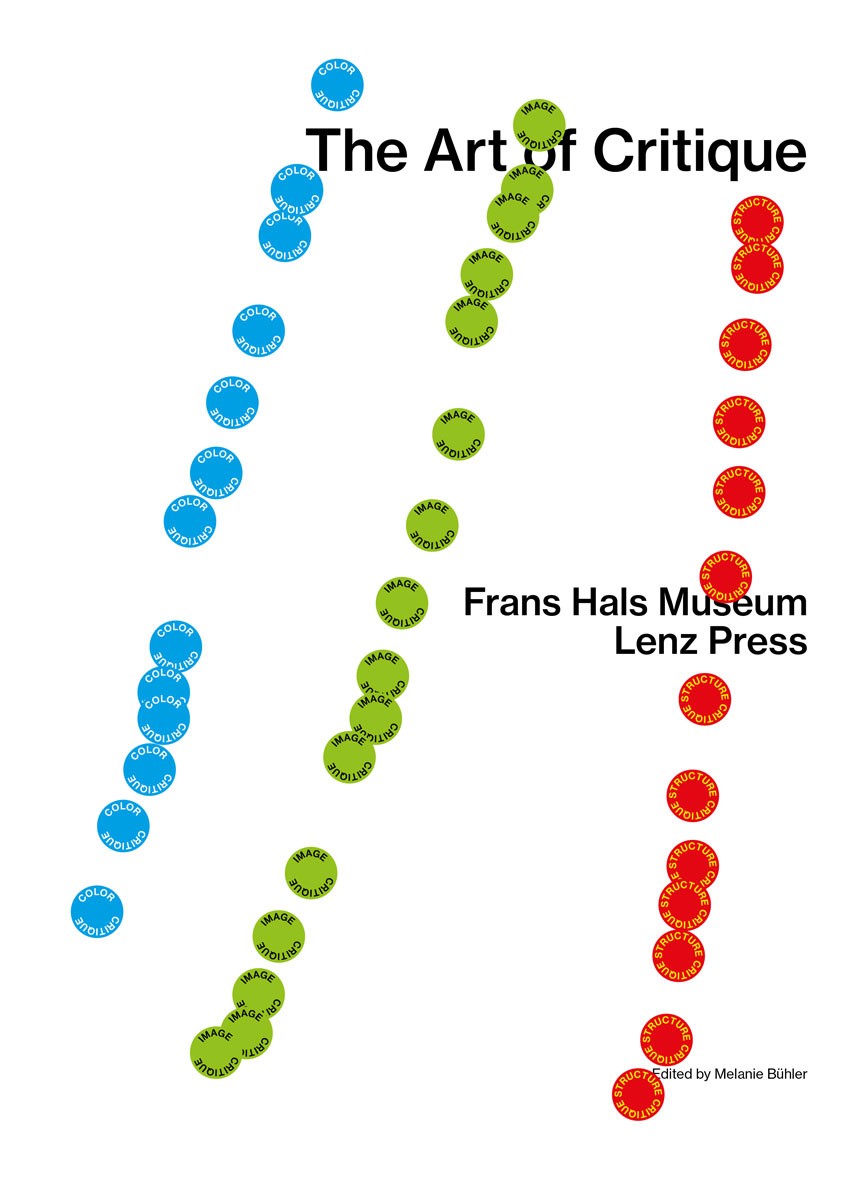
Edited by Melanie Bühler
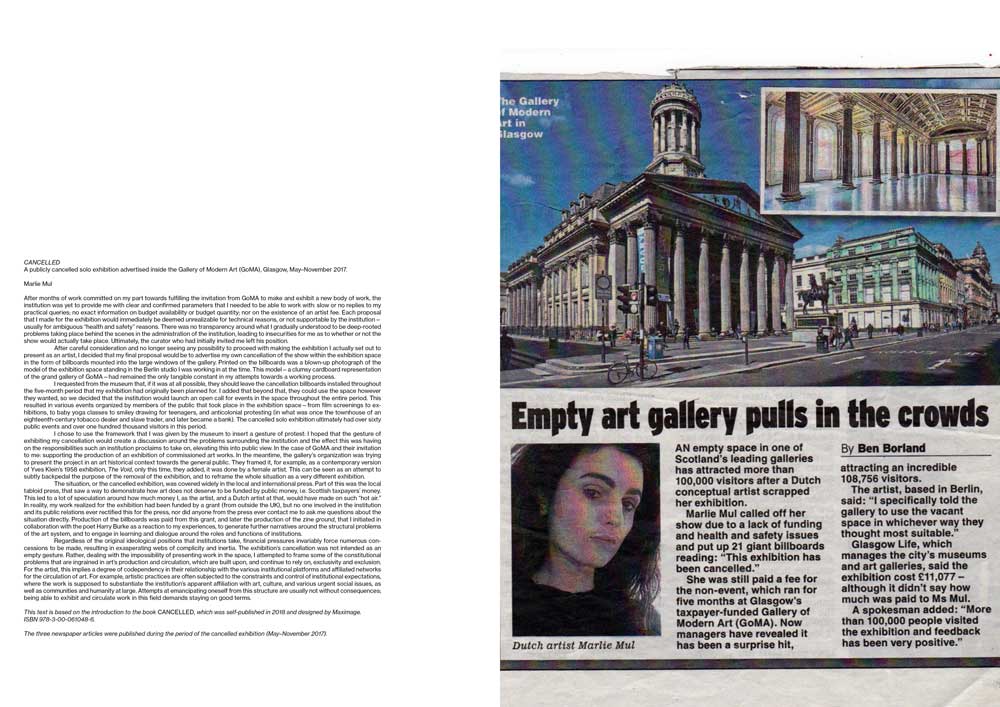
Contributions by Marie Angeletti, Karen Archey, Ute Meta Bauer, Melanie Bühler, Simnikiwe Buhlungu, Harry Burke, Ann Demeester, Clémence Lollia Hilaire, Frima Fox Hofrichter, Andrea Fraser, Simon Fujiwara, Sofía Hernández Chong Cuy, Alex Kitnick, Lynne Kouassi, Erik van Lieshout, Lloyd Corporation, Sven Lütticken, Daniel Morgenthaler, Marlie Mul, Becket MWN, Grace Ndiritu, D’Ette Nogle, Ahmet Öğüt, Ima-Abasi Okon, Monilola Olayemi Ilupeju, María Inés Plaza Lazo, Bea Schlingelhoff, Hito Steyerl, Juan Uribe, Dena Yago
Designed by Sabo Day
Co-published with Frans Hals Museum
2022, English, softcover, 21 x 29,7 cm, 288 pages
ISBN 979-12-80579-10-2
We live in a moment in which institutions, including those central to the art world, are facing a surge of public scrutiny. Propelled by social media, profound questions about how institutions operate—whether structurally, politically, or financially—have become an increasingly prominent part of public life and discourse in recent years.
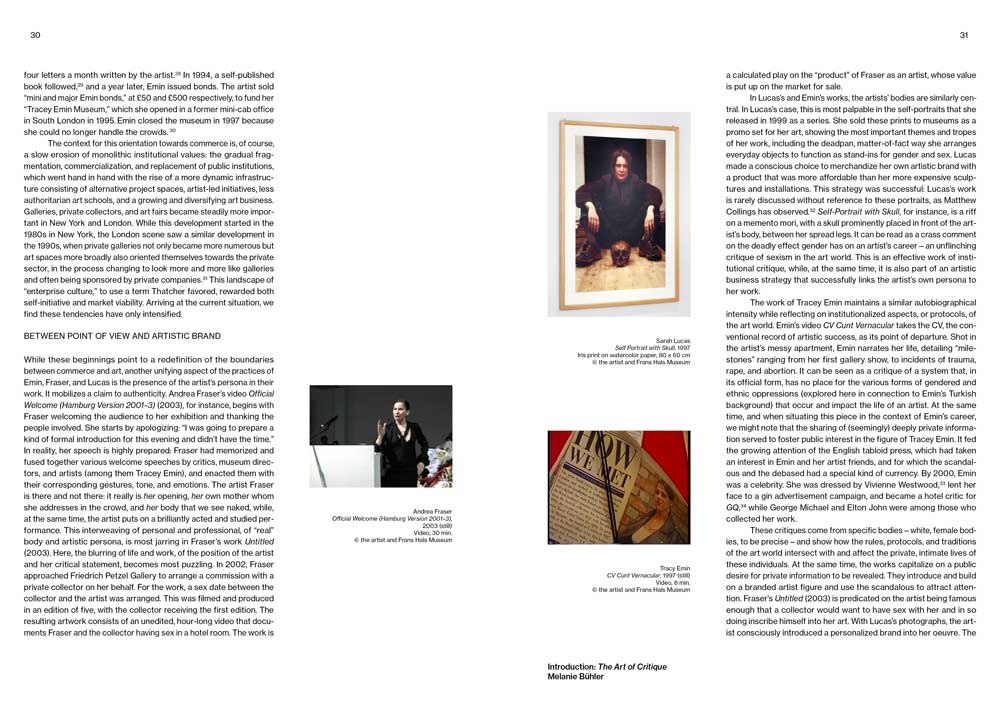
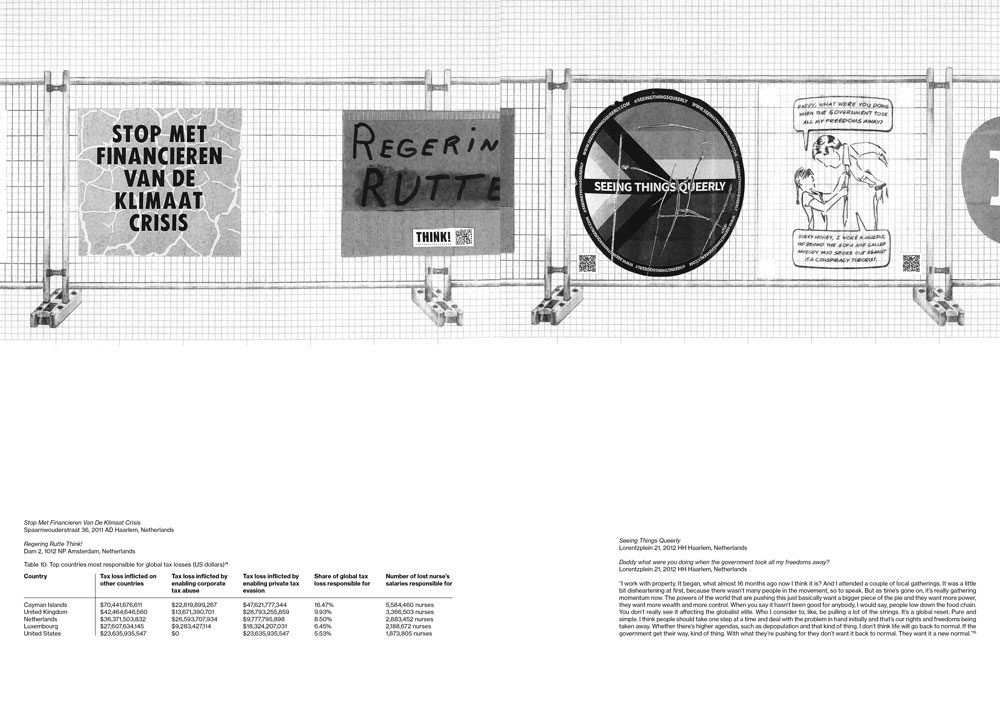
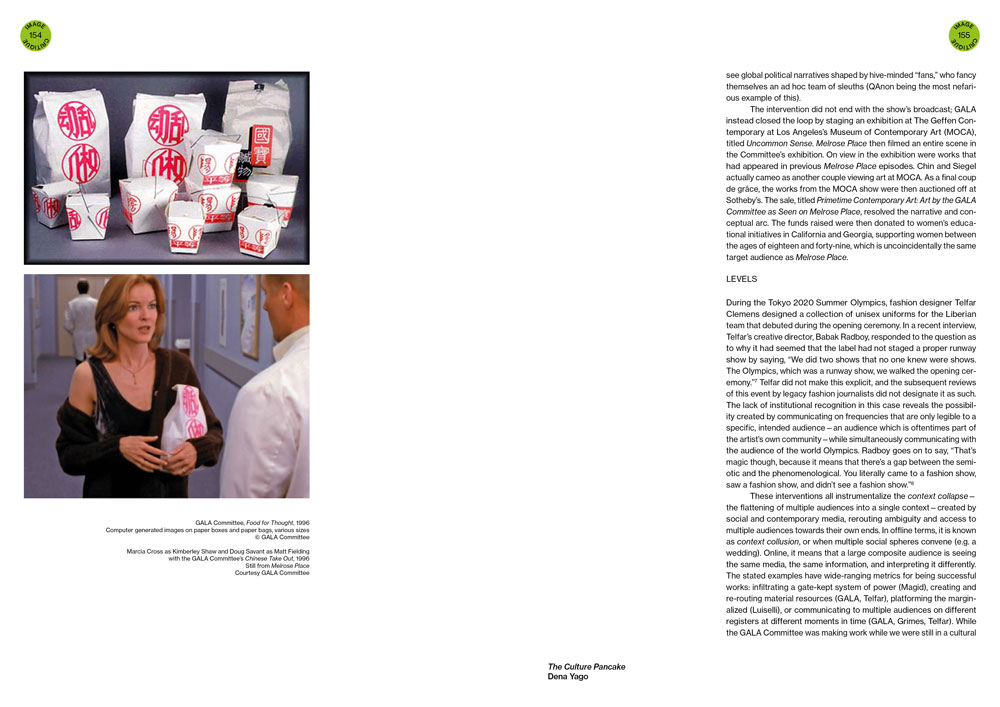
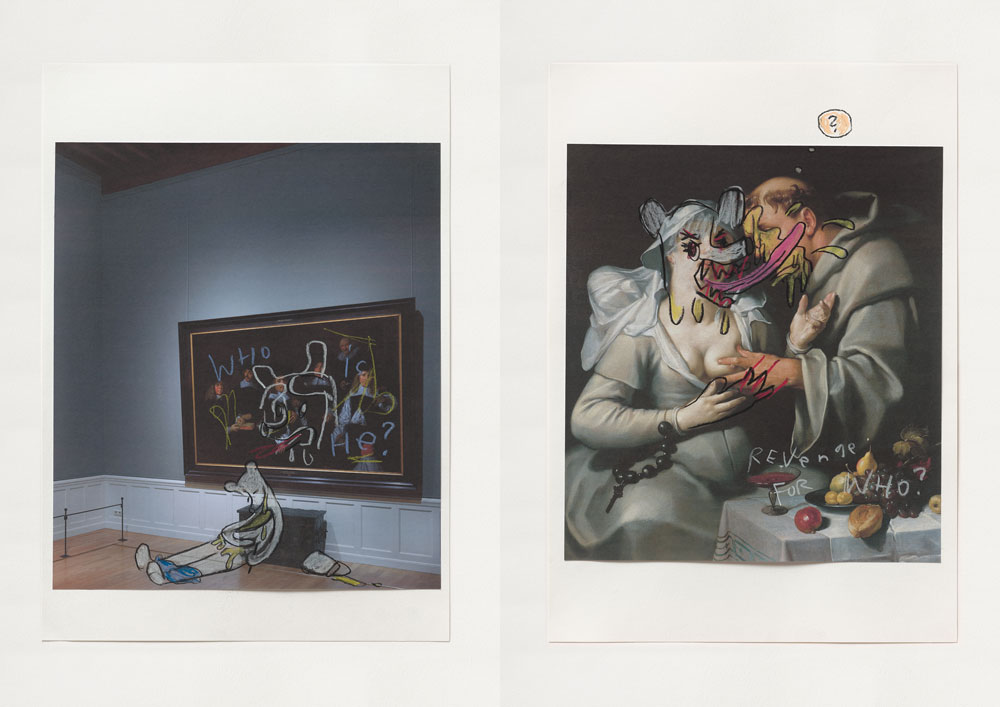
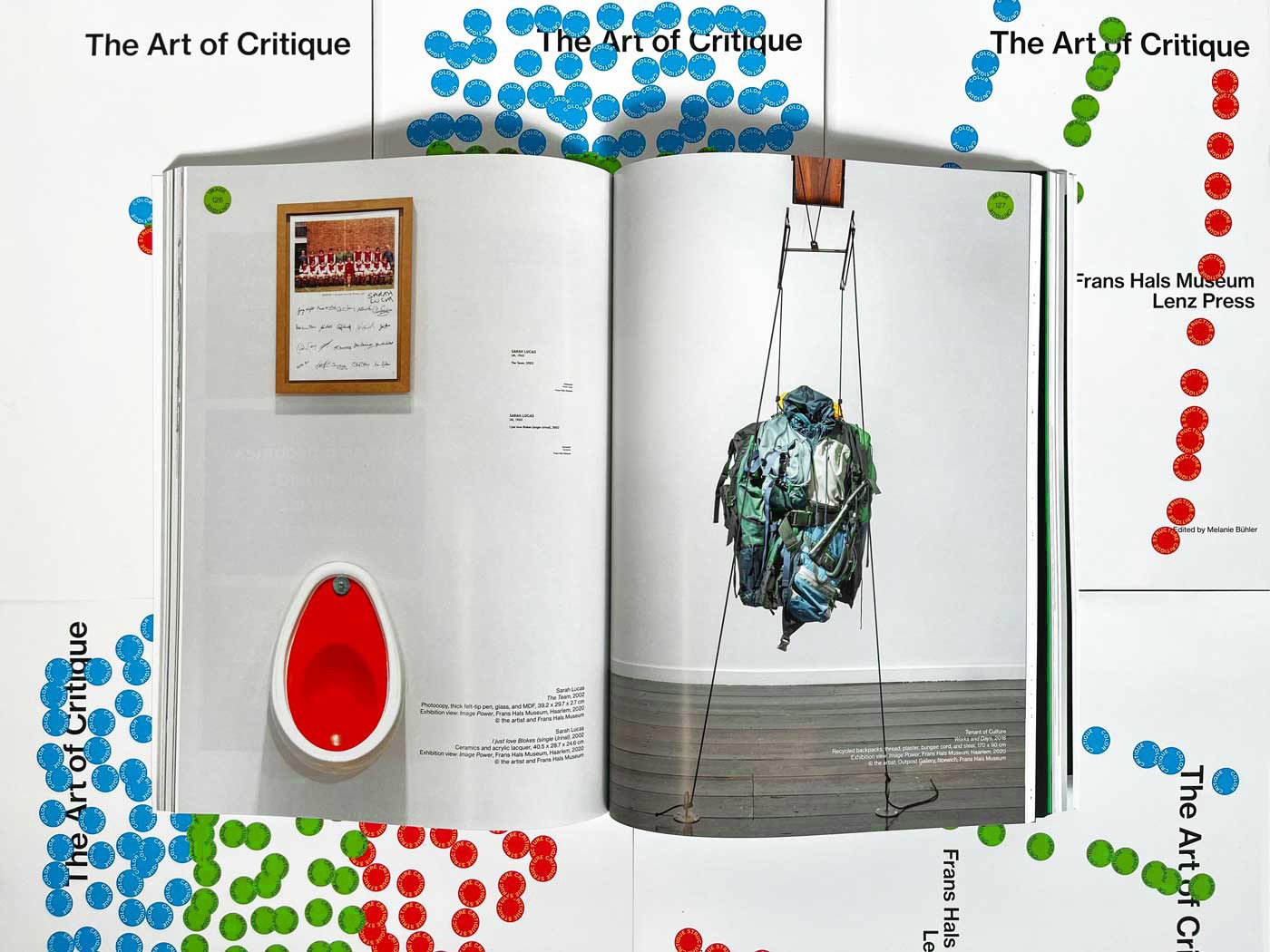
In this context, The Art of Critique revisits the artistic practice of institutional critique to ask what it means today, and to consider its ability to respond to the urgent social, political, and economic issues of our time. Taking works by Tracey Emin, Andrea Fraser, and Sarah Lucas in the collection of the Frans Hals Museum as a departure point, The Art of Critique uses a feminist approach to broaden and challenge traditional art historical definitions of institutional critique. These expanded forms of critique function as precursors to the practices of the contemporary artists presented as part of this project. Collectively, the contemporary works shed a new light on the legacy of institutional critique while addressing structural issues as wide-ranging as labor practices in the creative industry, city development, gender inequality, and the intertwined histories of capitalism and colonialism.
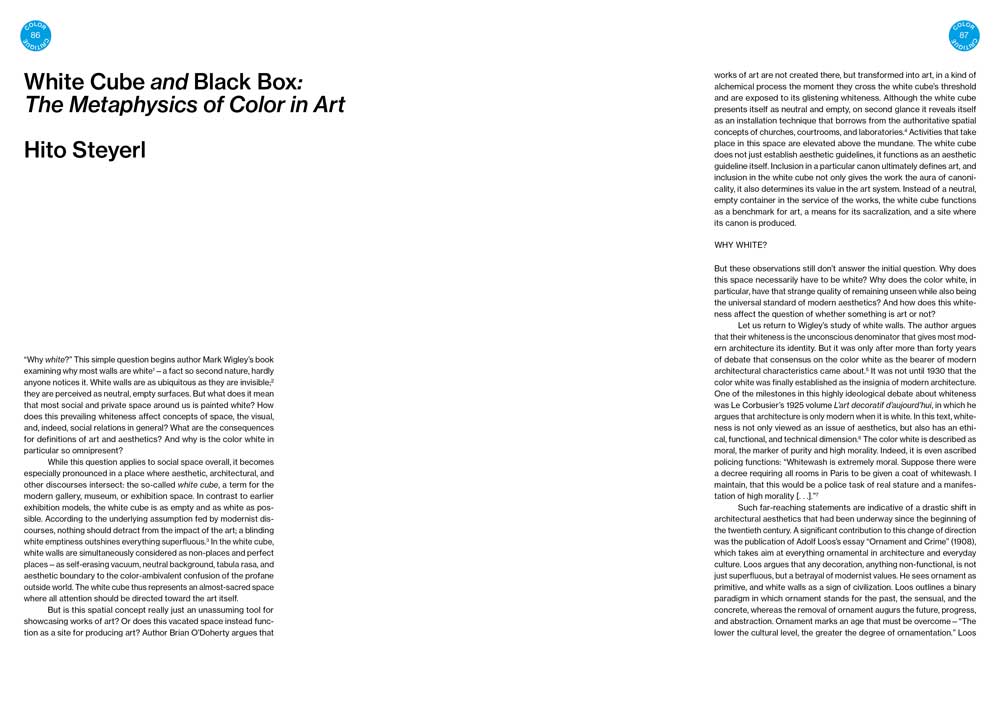
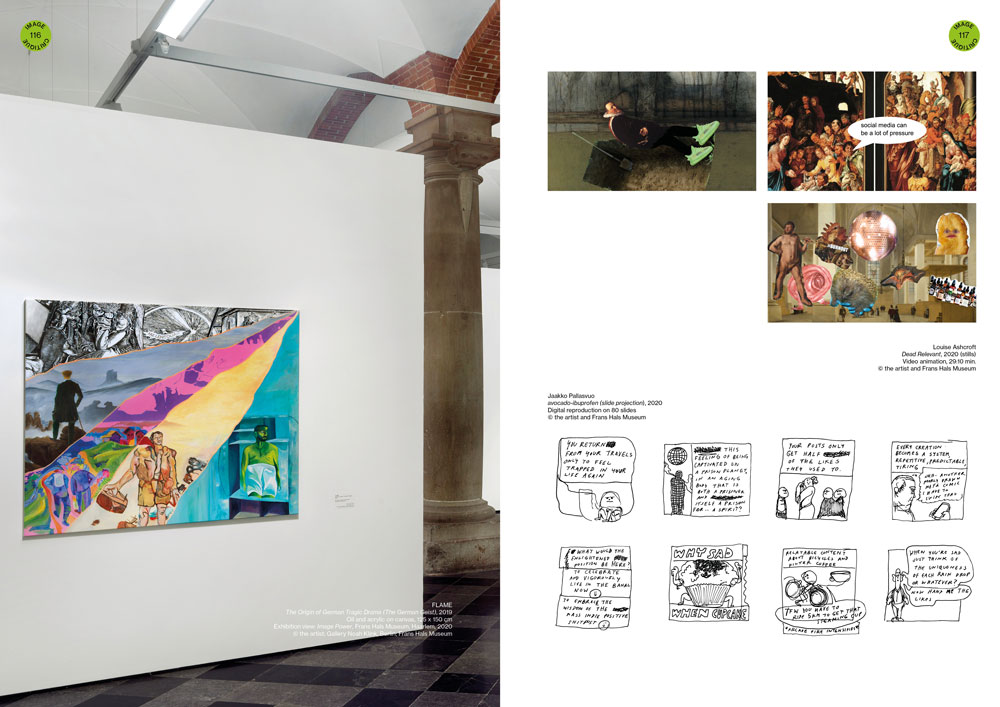
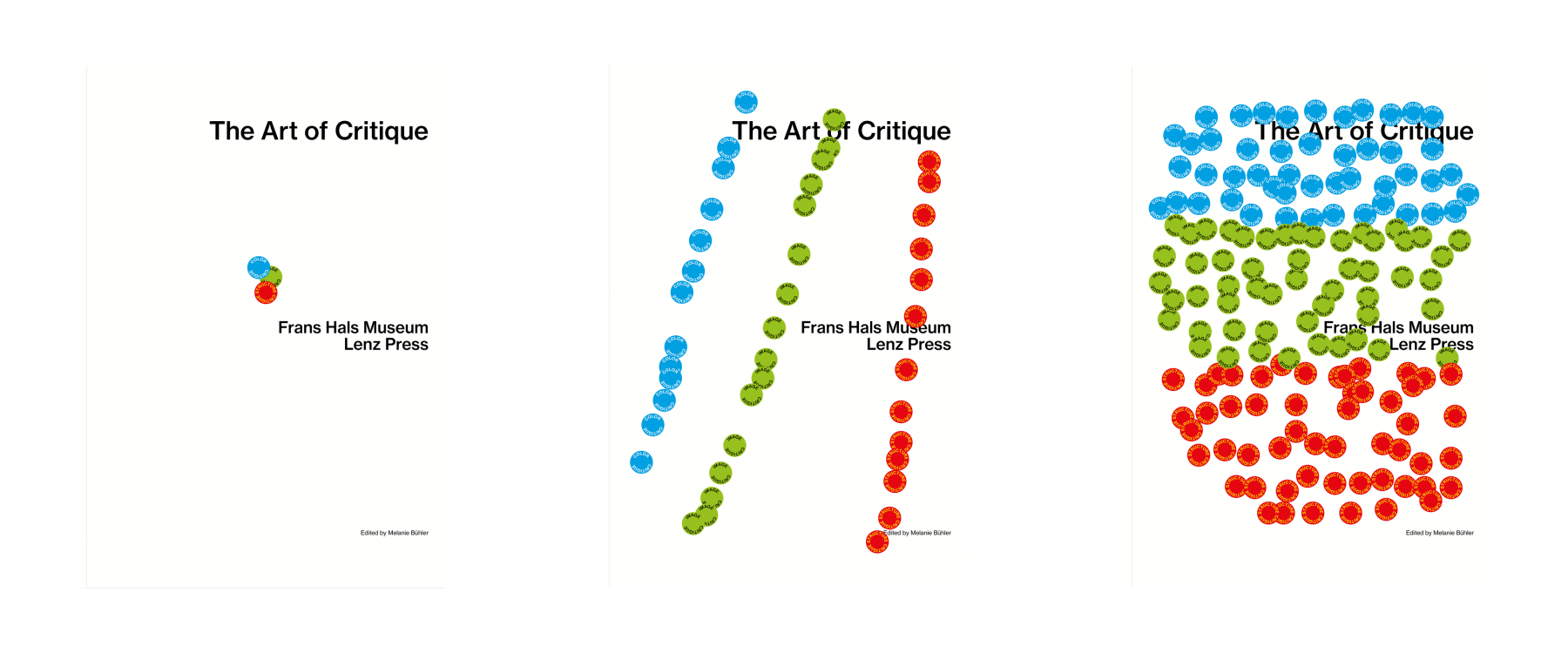
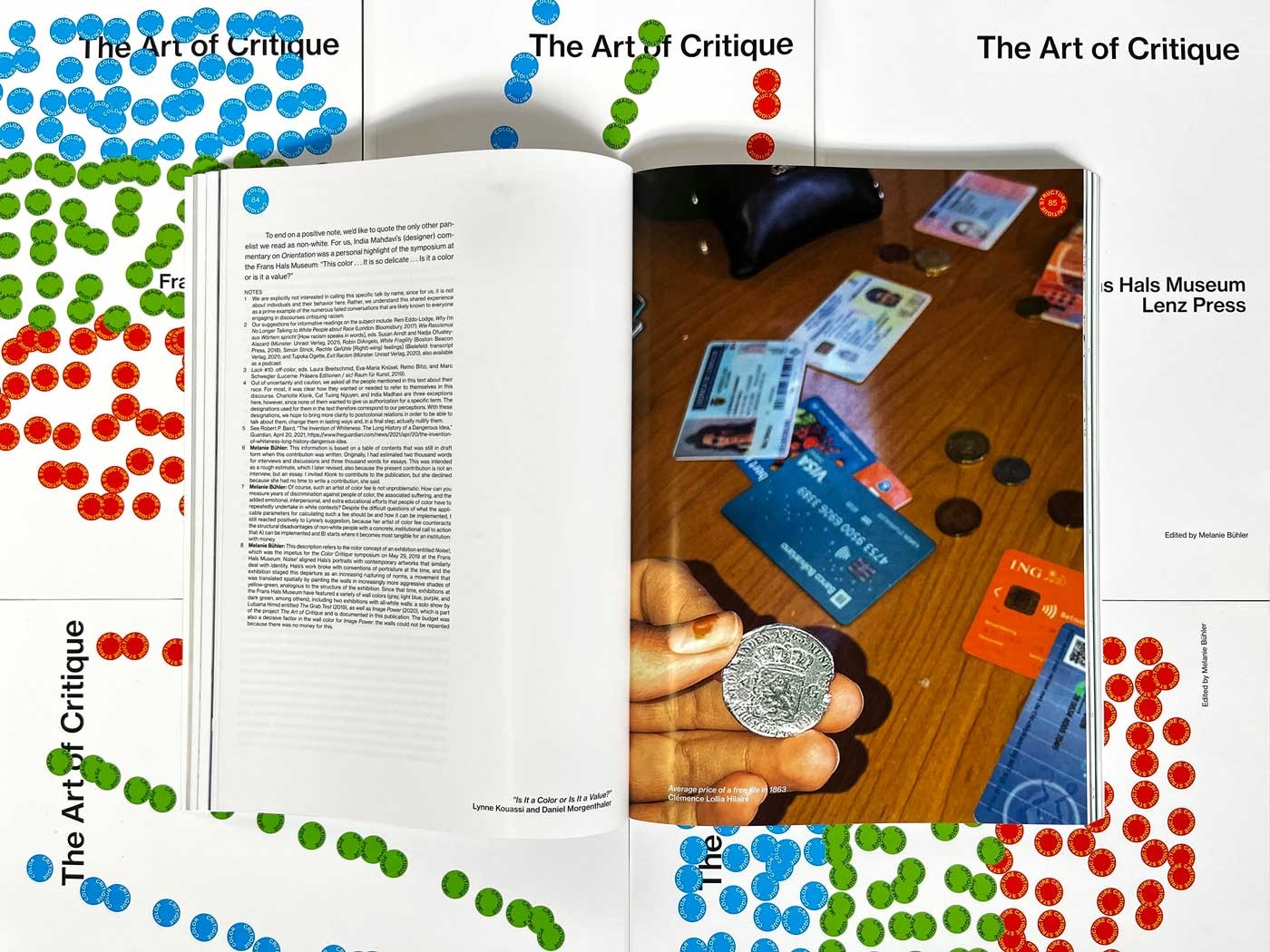
The publication documents the long-term project at the Frans Hals Museum (2019–22)—a symposium, Color Critique (chapter one); an exhibition, Image Power (chapter two: Image Critique); and artist commissions (chapter three: Structure Critique)—together with artworks, conversations, and newly commissioned and translated essays.
The publication has been generously supported by Outset Contemporary Art Fund Netherlands and VriendenLoterij.