The first major monograph on artist Jill Mulleady, whose paintings thread motifs of decay, memory, history, and private myth, featuring humans and animals enacting their instinctive psychological reactions to ever-present threats of danger.
The essays in this first-ever monograph dedicated to Swiss artist Jan Vorisek, alongside image portfolios of the exhibitions they explore and an appendix that features photos and documentation of Vorisek’s performances, recordings and ephemera, grant us unprecedented access to the private fictions that the work reveals.
Since the 1990s Costa has been challenging hierarchies of art production and the fetishization of the “finished” artwork, inviting viewers to reconsider what is discarded, both materially and socially. Through over 300 artworks, accompanied by new writing, this catalogue explores Adriano Costa’s work, a meditation on transformation—of objects, meanings, and systems of value.
This richly illustrated book considers the dazzling oeuvre of choreographer and dancer Marlene Monteiro Freitas. In line with her creative methodology, Alexandra Balona unfolds an “atlas of affects” through five emblematic dance pieces that reveal the intensity, humor, and humanity of one of today’s most radical choreographic voices.
Invited to present an exhibition at the Galleria Borghese in Rome, Kenyan-American artist Wangechi Mutu has developed an innovative approach to museum space, challenging hierarchy, permanence, and fixed meanings. With in-depth essays and a rich selection of illustrations, this catalog retraces that exhibition and explores the themes and concerns that have long characterized the artist’s practice.
Invitata a concepire una mostra alla Galleria Borghese, l’artista keniota-americana Wangechi Mutu ha sviluppato un approccio innovativo allo spazio museale, confrontandosi con le gerarchie, la permanenze e le sedimentazioni del contesto. Attraverso saggi approfonditi e una ricca selezione di illustrazioni, questo catalogo ripercorre la mostra ed esplora i temi e le preoccupazioni che da tempo caratterizzano la pratica dell’artista.
Edited by Laura Barreca and Giovanna Fiume
Texts by Laura Barreca, Naor Ben-Yehoyada, Giovanna Fiume, Gabi Scardi, Jane C. Schneider, Peter T. Schneider
Designed by BIFFIPOL
2026, English / Italian, softcover, 24 x 15.6 cm, 384 pages
ISBN 979-12-82771-01-6
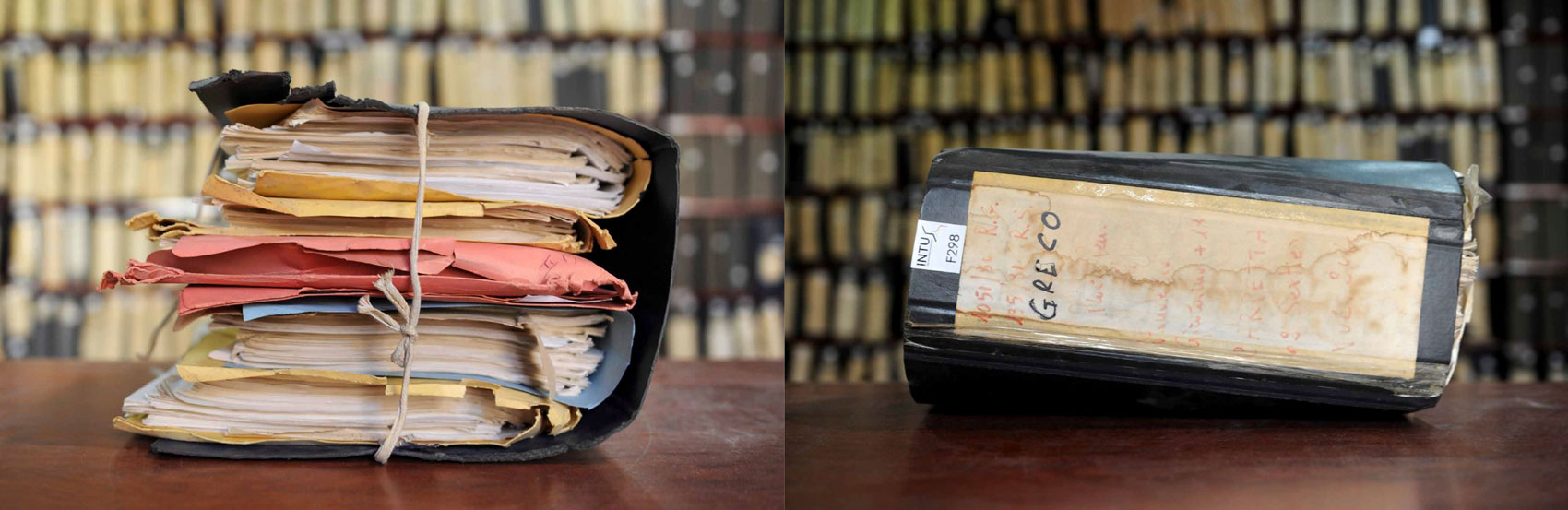
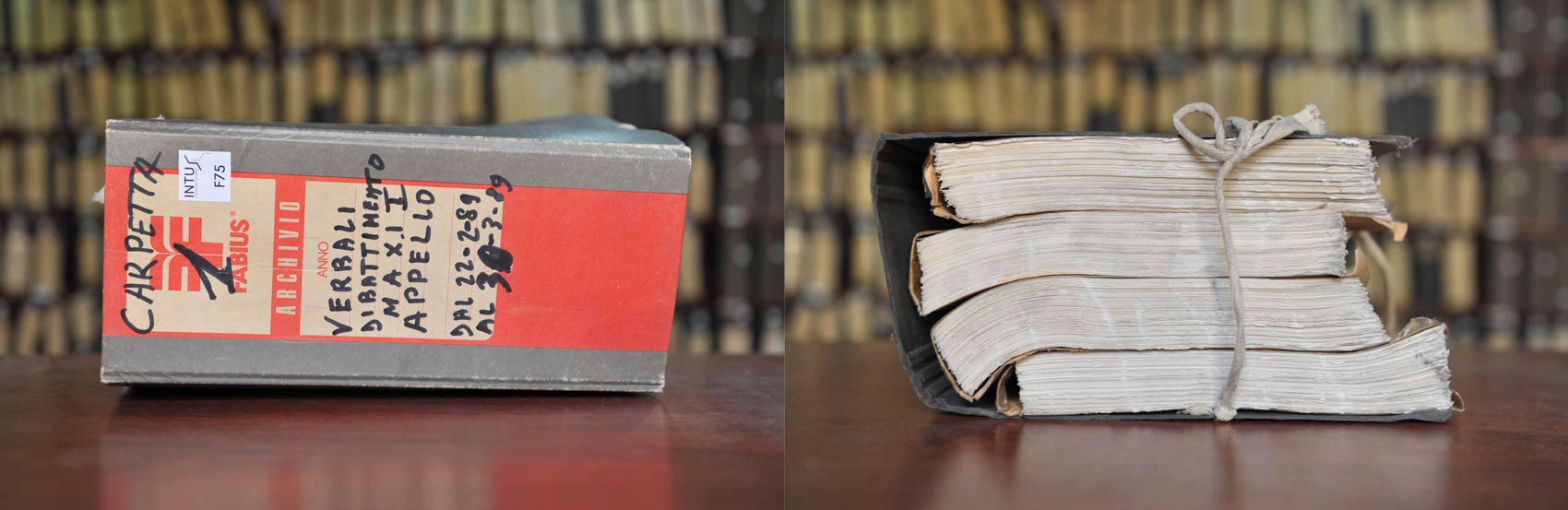
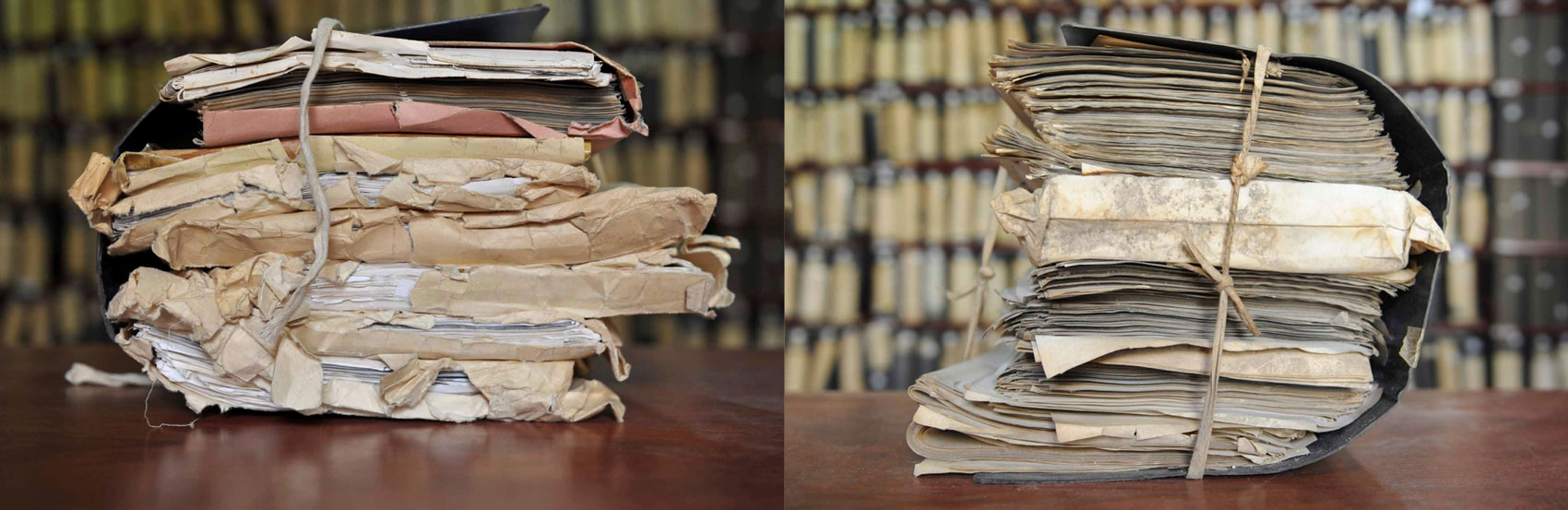
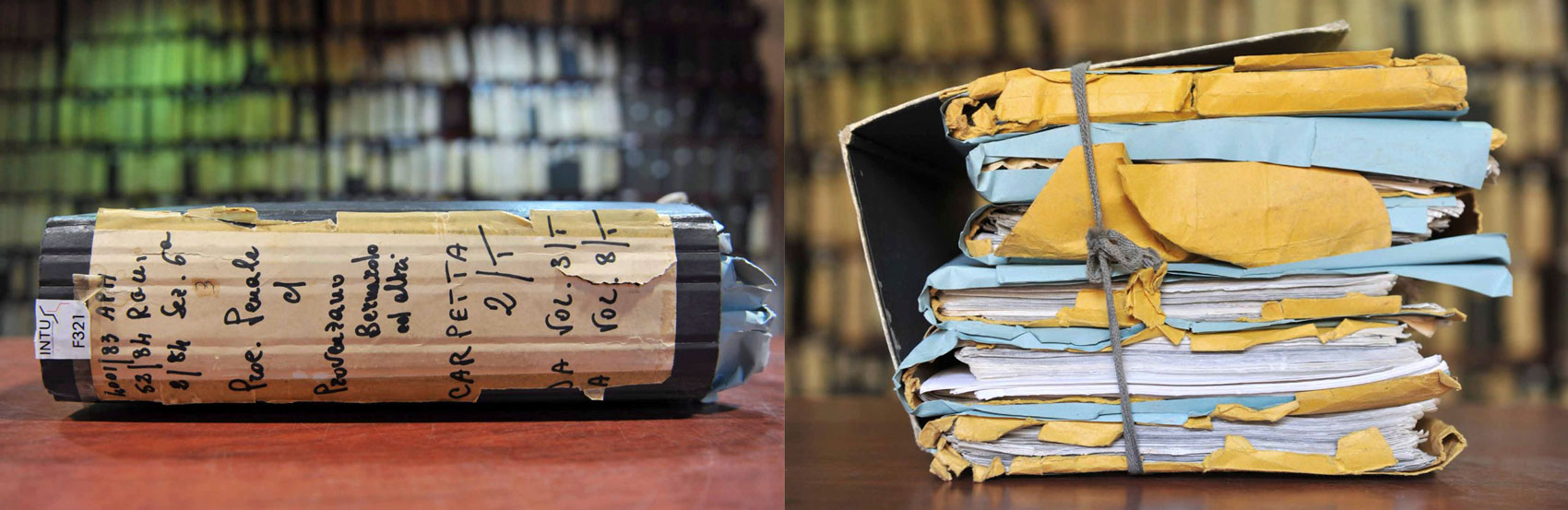
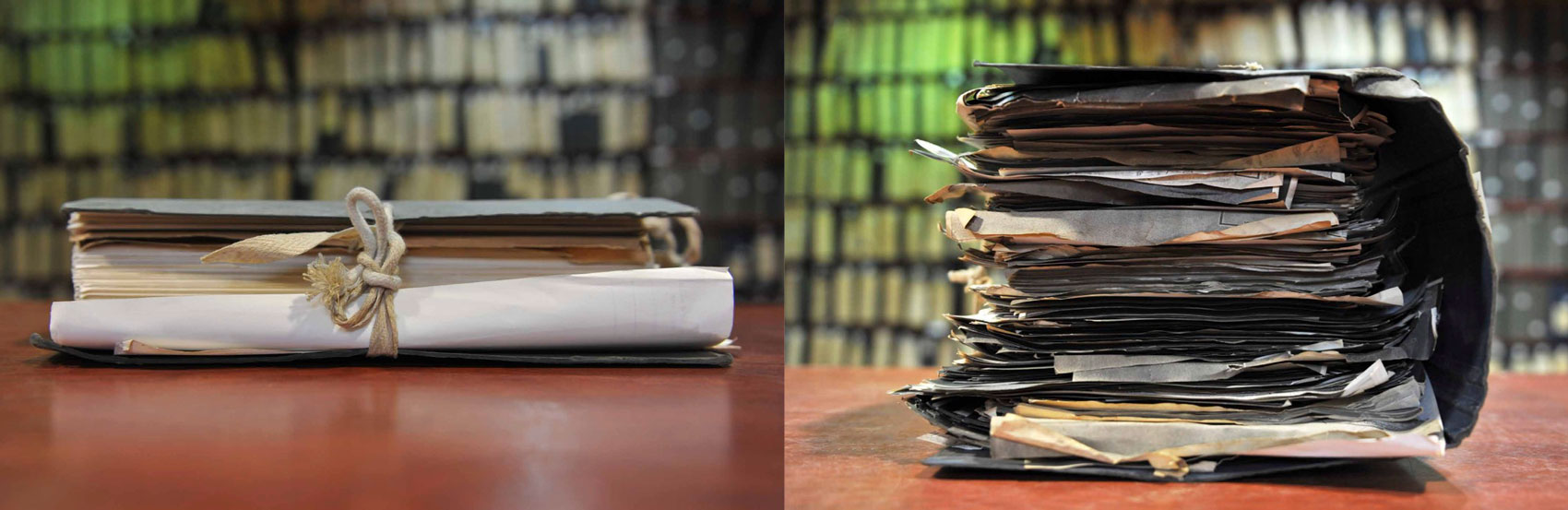
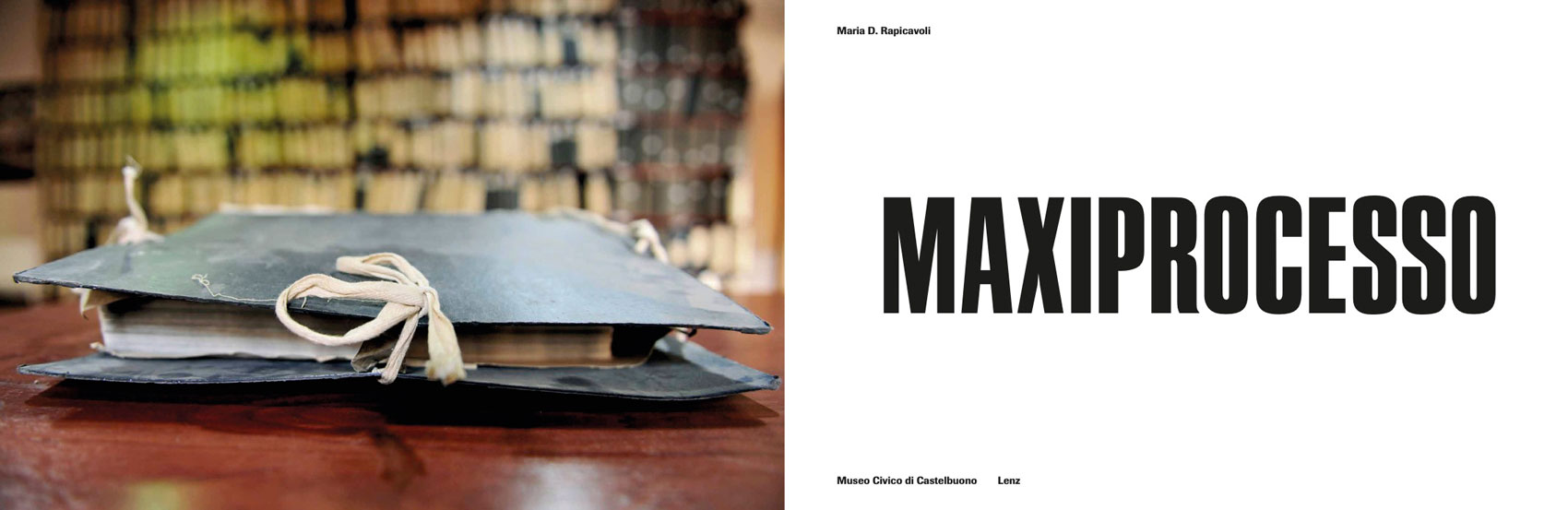
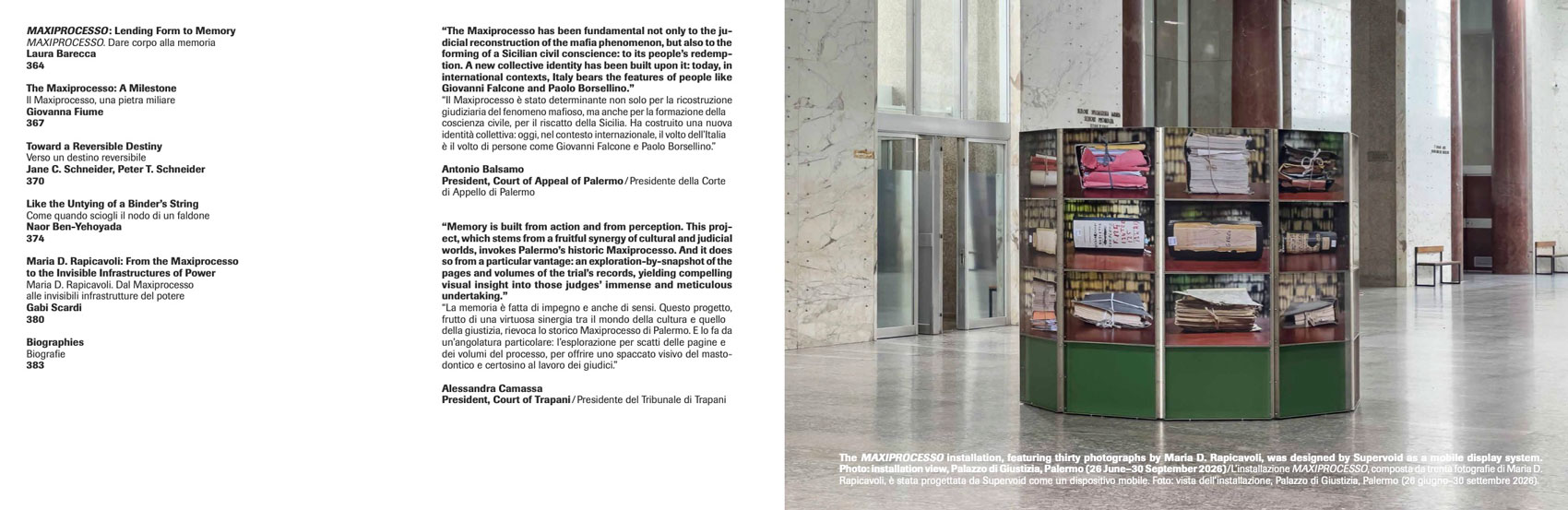
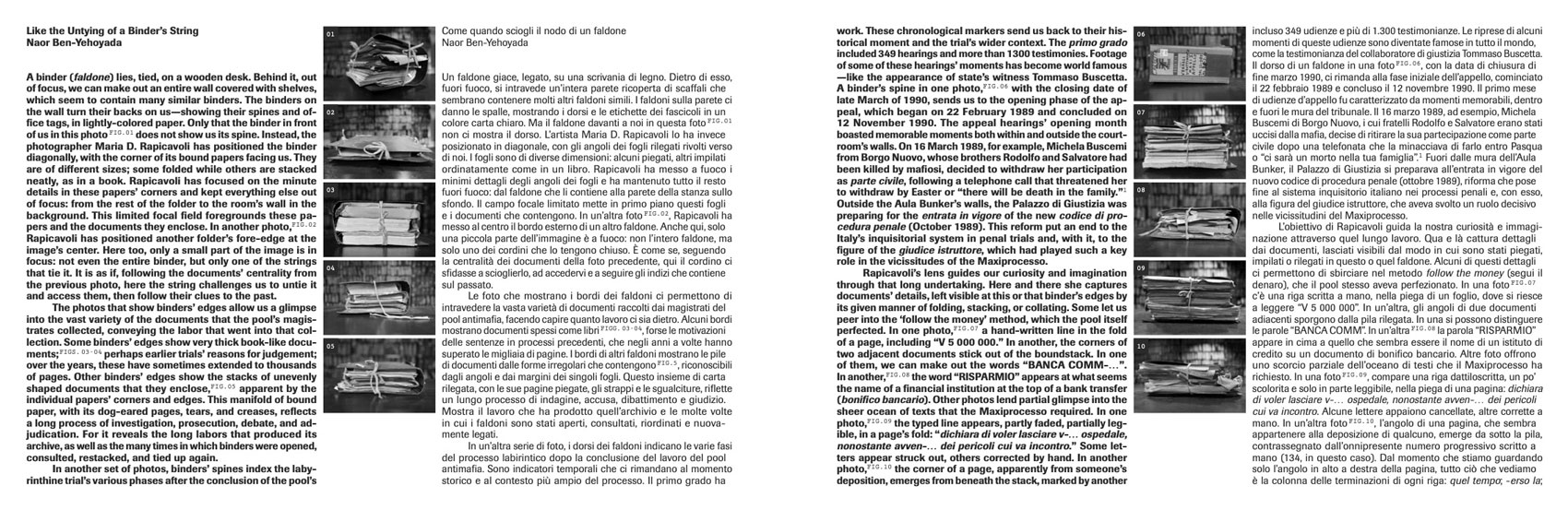
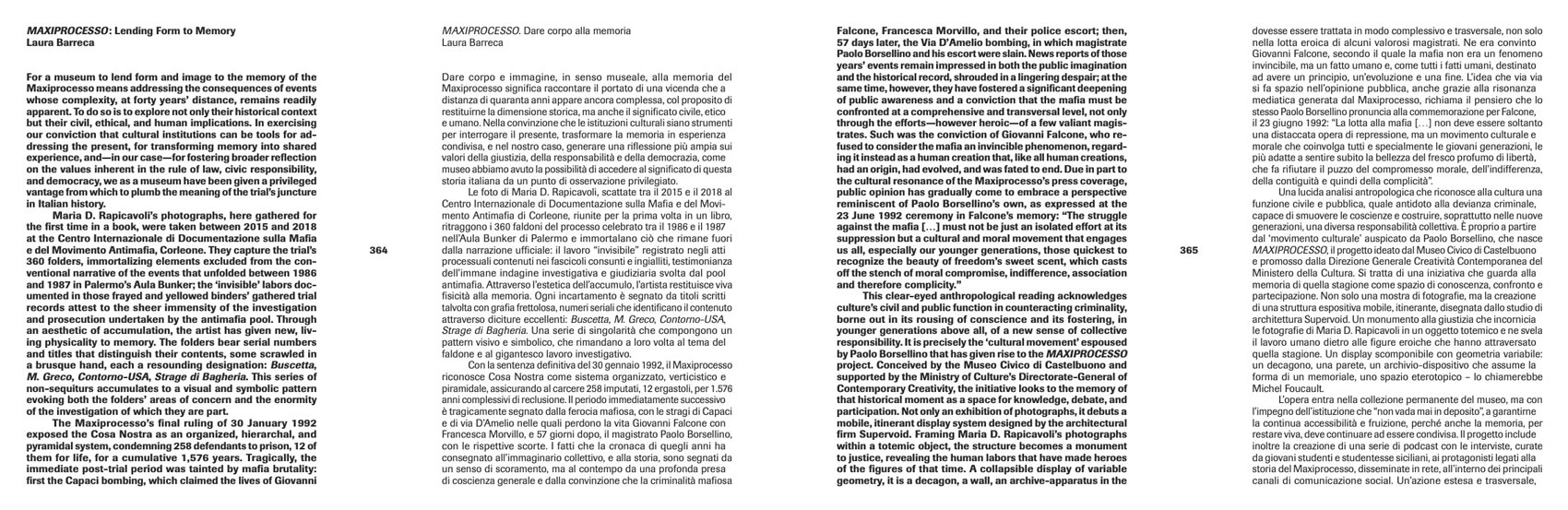
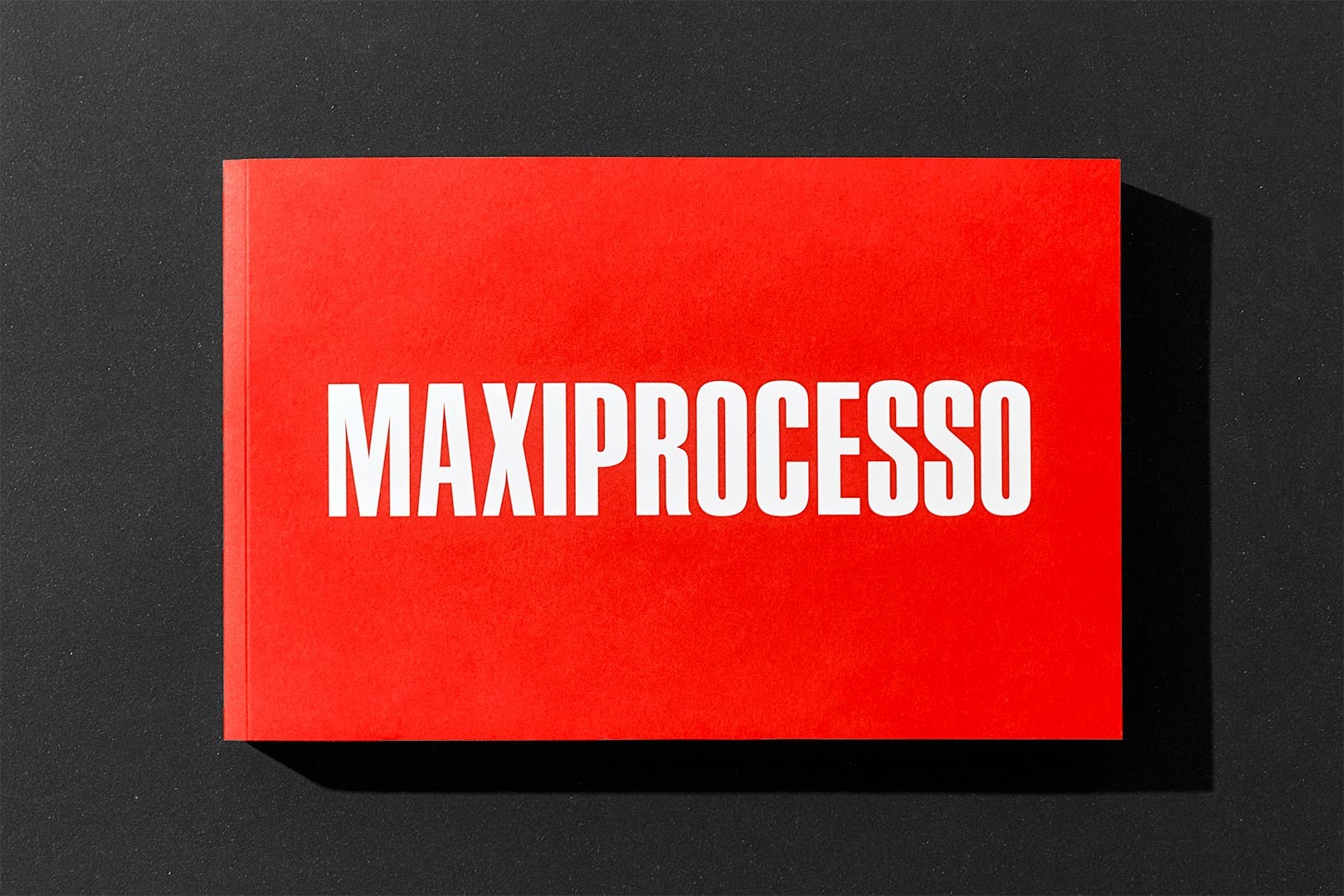
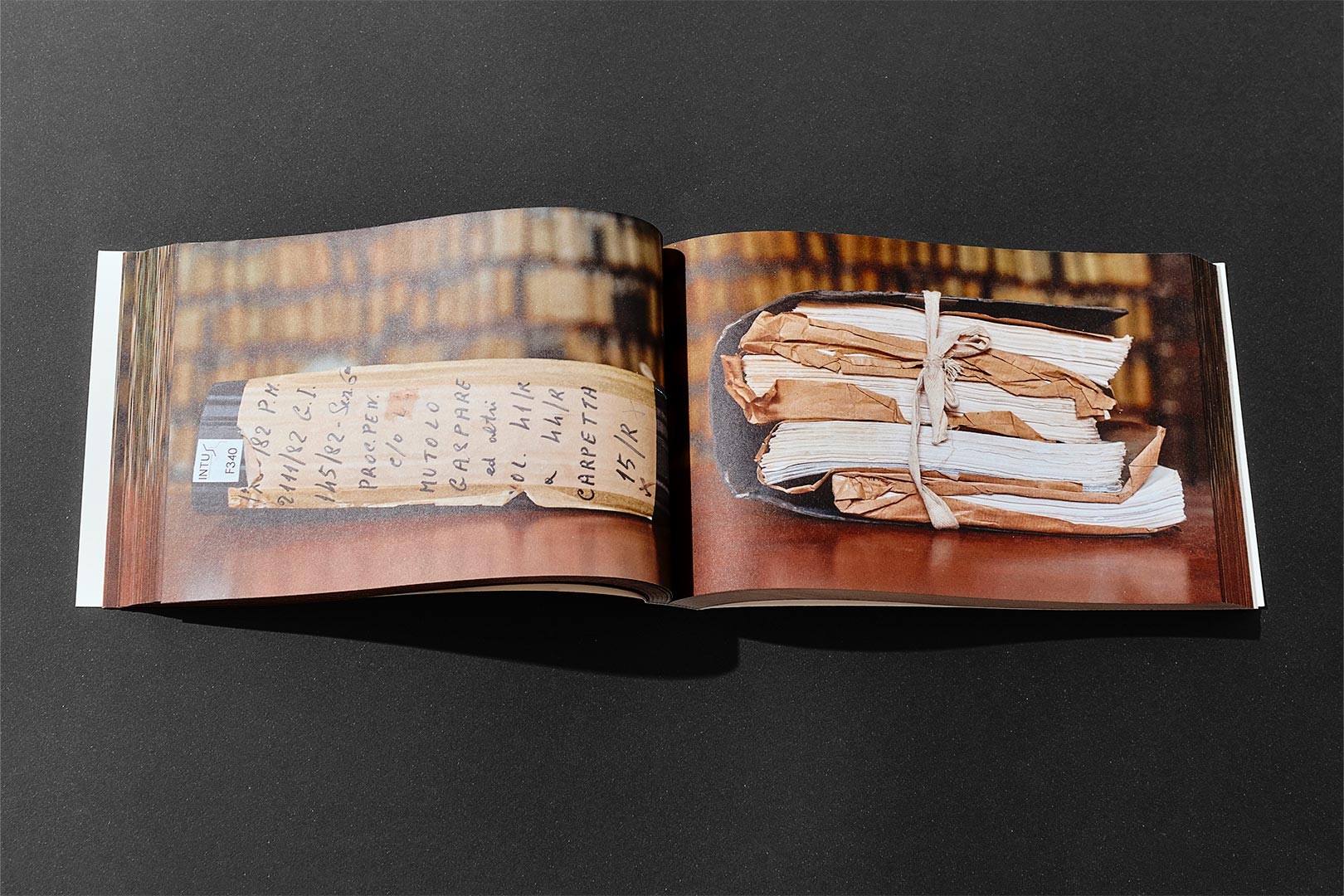
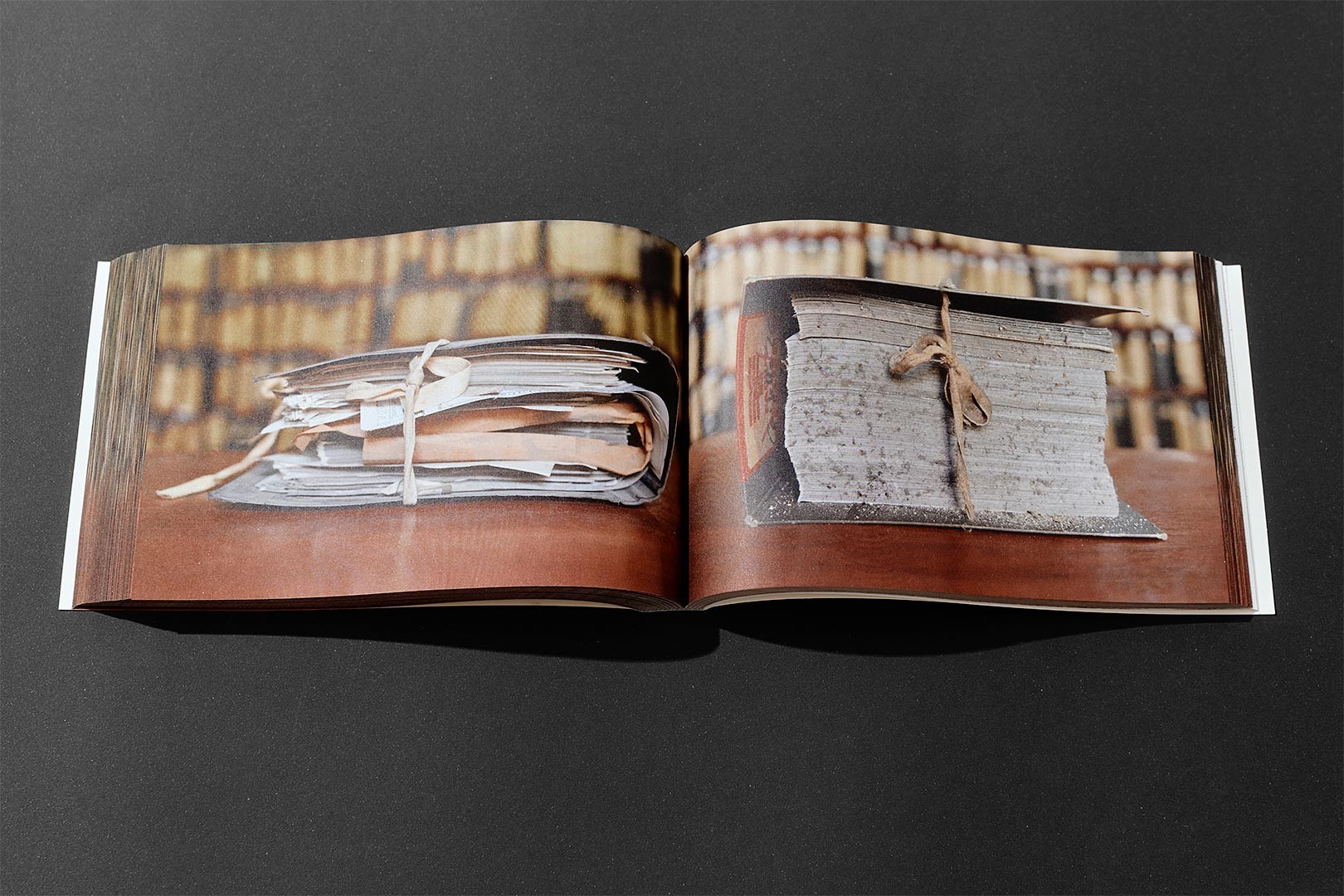
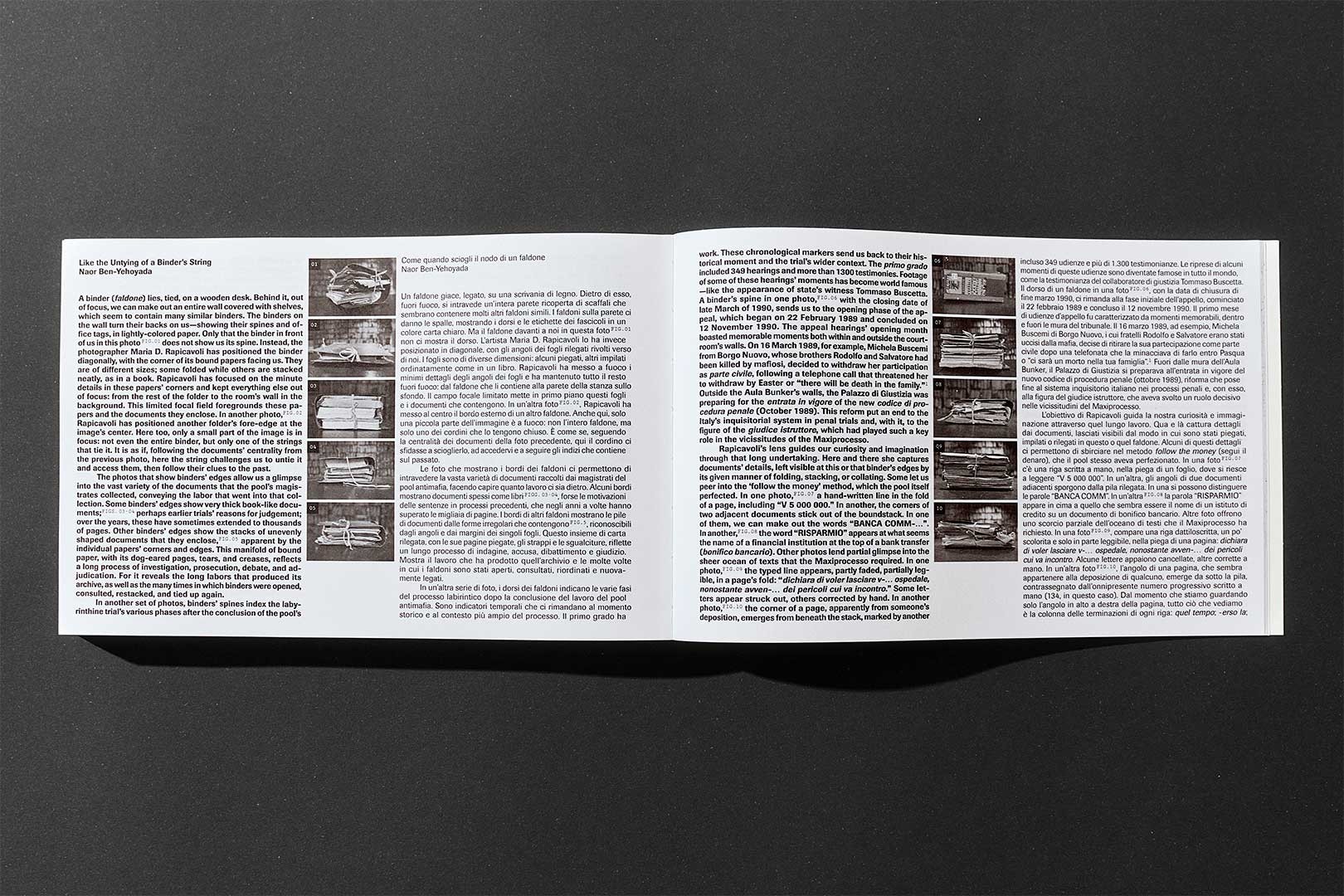
MAXIPROCESSO showcases the first-ever presentation of Maria D. Rapicavoli’s complete photographic series of the same name: 360 photographs, one for each of the archival folders that collectively document the largest mafia “Maxi Trial” in history, held in Palermo from 1986 to 1987. A selection from Rapicavoli’s series was exhibited at the Court of Palermo in 2026, housed in an installation designed by architecture firm Supervoid. The photographs convey the physical dimension of the exacting work underpinning the trial: reports, interrogations, wiretaps, depositions, and other documents charting Cosa Nostra’s activities. Together, they form the material footprint of the Palermo antimafia team’s vast investigation, which reconstructed and exposed the organization’s hierarchical structure for the first time.
In photographing the folders as a series, Rapicavoli moves beyond documentary representation. The images’ apparent repetition conveys the sheer volume of evidence produced by the investigation, making visible the scale of an archive whose contents usually remain inaccessible. By publishing the complete sequence, this volume communicates the materiality and magnitude of what is a crucial body of archival heritage. Thirty of Rapicavoli’s photographs have entered the permanent collection of the Museo Civico di Castelbuono, which has committed to ensuring their enduring accessibility and to fostering continued awareness and discussion of the historical legacy they represent.
The project also extends into the digital space through a series of podcast interviews pairing young Sicilian students with figures personally involved in the history of the Maxiprocesso. The initiative aims to encourage younger generations to interact more closely with this history and to develop a heightened sense of social responsibility. As Laura Barreca, Director of the Museo Civico di Castelbuono, observes: “As a public museum, today we reflect on the active role that cultural institutions can play in building a more aware, responsible, and engaged society. In Sicily, this duty assumes a still deeper meaning: here the memory of the Maxiprocesso will continue to be preserved, reinterpreted, and handed down to new generations, lending full expression to the power of contemporary art as as a tool for interpretation, dialogue, and dissemination.”
MAXIPROCESSO was staged by the Museo Civico di Castelbuono with the support of the 2025 Strategia Fotografia open call promoted by the Italian Ministry of Culture’s Directorate-General for Contemporary Creativity, and with the assistance of nctm e l’arte: A project by ADVANT Nctm. The project was developed with the support of Antonio Balsamo, President of the Court of Appeal of Palermo, and Alessandra Camassa, President of the Court of Trapani, and marks the fortieth anniversary of the start of the Maxiprocesso. Through photography and contemporary art, it reaffirms the trial’s landmark role in late-twentieth-century Italian history while exploring the connections between justice, cultural institutions, and social responsibility, and how this pivotal event can be interpreted and transmitted to new generations.