Lam-See Lam’s storytelling develops through text, animations, and sculptural installations. Her multifaceted stories explore the narrative of the Cantonese diaspora in Sweden and examine questions of cultural identity.
A richly illustrated publication accompanying the experimental noise project as durational solo performance by Marco Fusinato for the Australia Pavilion at the 59th International Art Exhibition La Biennale di Venezia.
This catalogue explores some of the pivotal themes of the artist’s research, from her interest in crossing and redefining the border between interior and exterior to the relationship between the aesthetic object and its institutional context.
Published in conjunction with a solo exhibition at Kunst Museum Winterthur, this book provides the first overview of Altmann’s work to date, characterized by a strongly socio-critical consciousness, and reveals the artist’s influences and inspirations.
The first monograph dedicated to Paloma Bosquê addresses the Brazilian artist’s ways of understanding and giving shape to that matter which can be perceived, but not rationalized.
The first book on London based artist Gili Tal, whose practice identifies how the digital has long become a reality that has subjected our habits of perception to a radical change.
Edited by Laura Barreca and Giovanna Fiume
Texts by Laura Barreca, Naor Ben-Yehoyada, Giovanna Fiume, Gabi Scardi, Jane C. Schneider, Peter T. Schneider
Designed by BIFFIPOL
2026, English / Italian, softcover, 24 x 15.6 cm, 384 pages
ISBN 979-12-82771-01-6
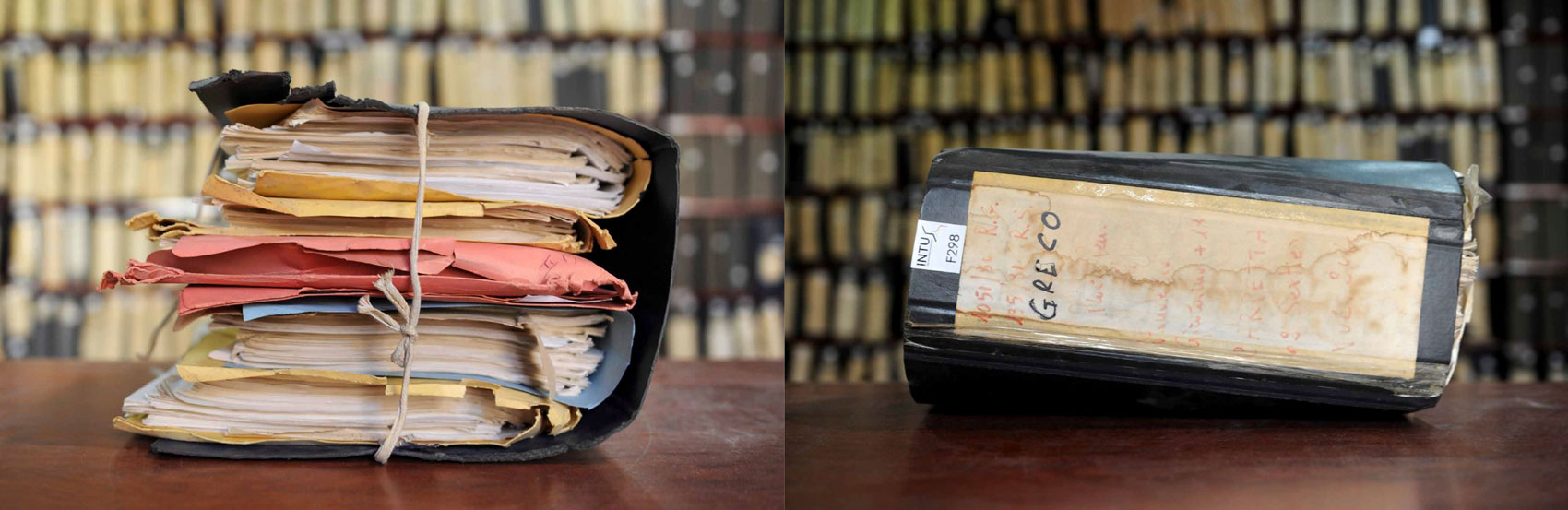
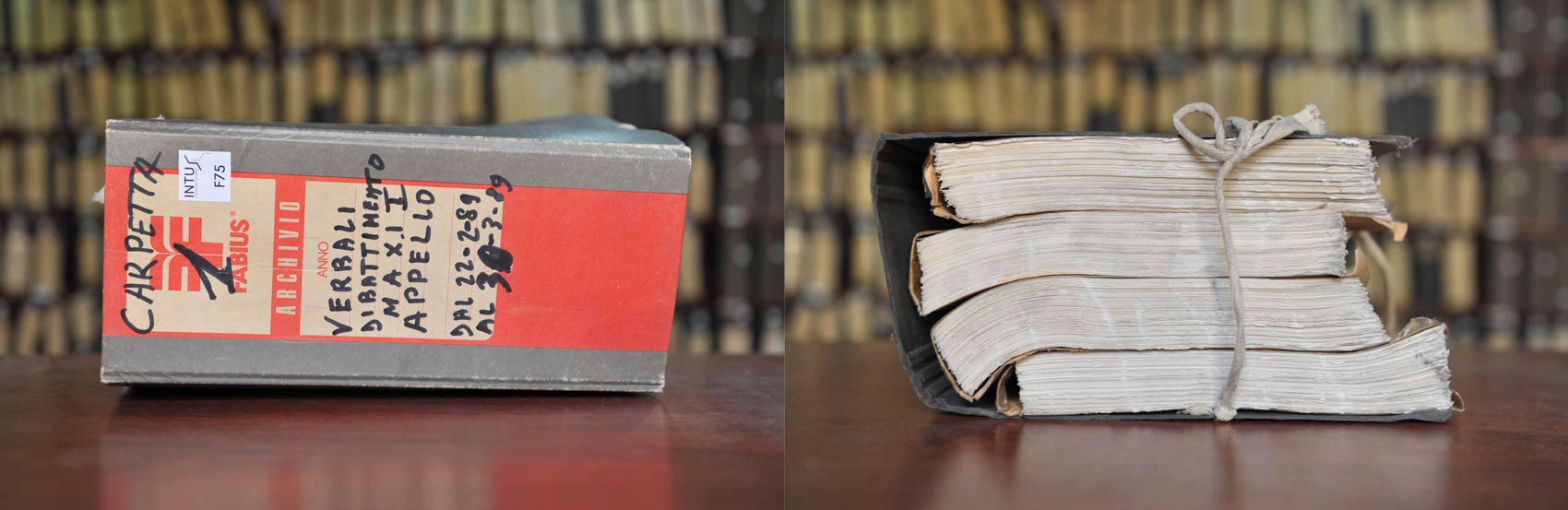
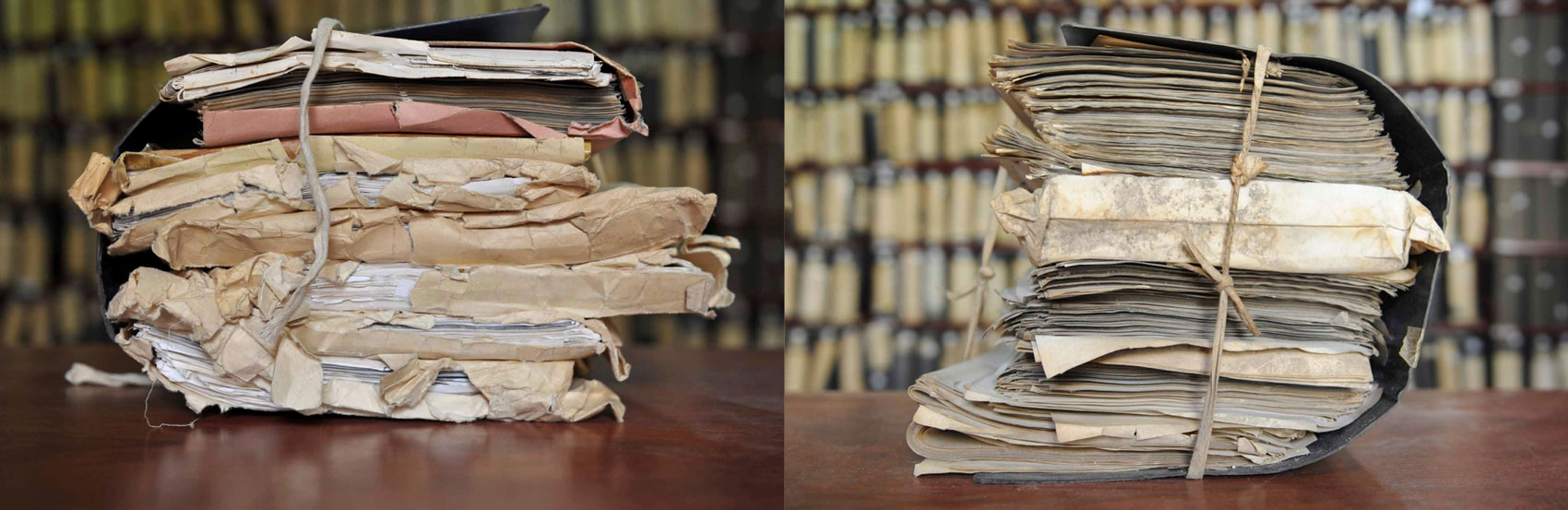
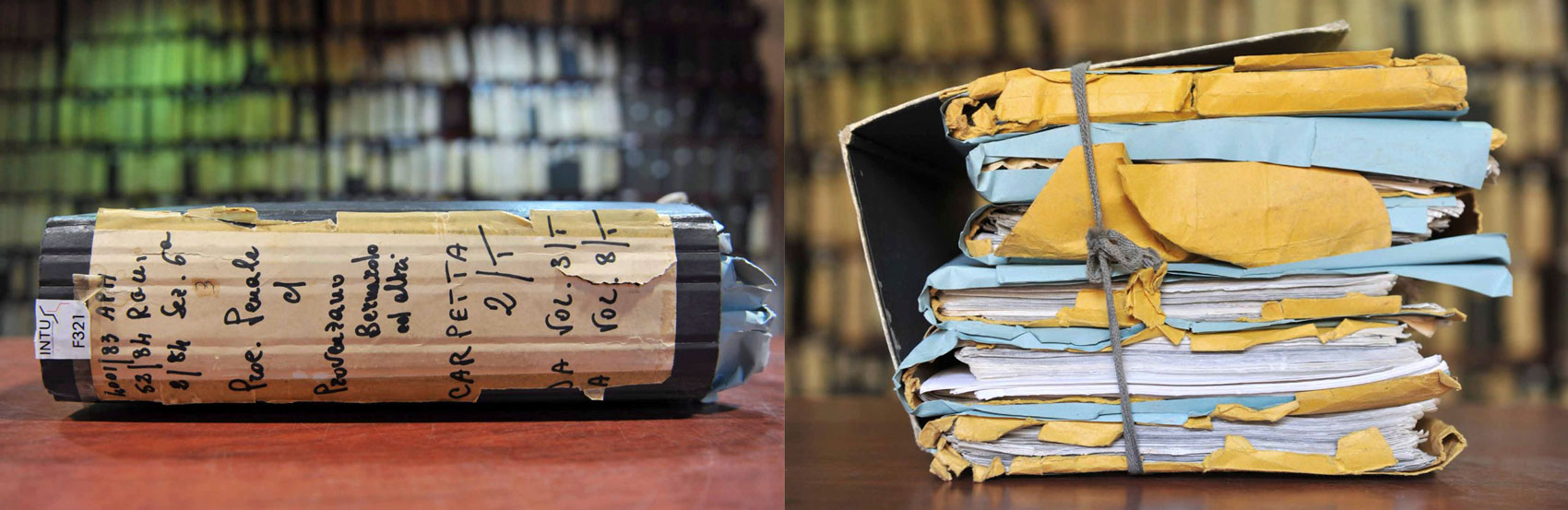
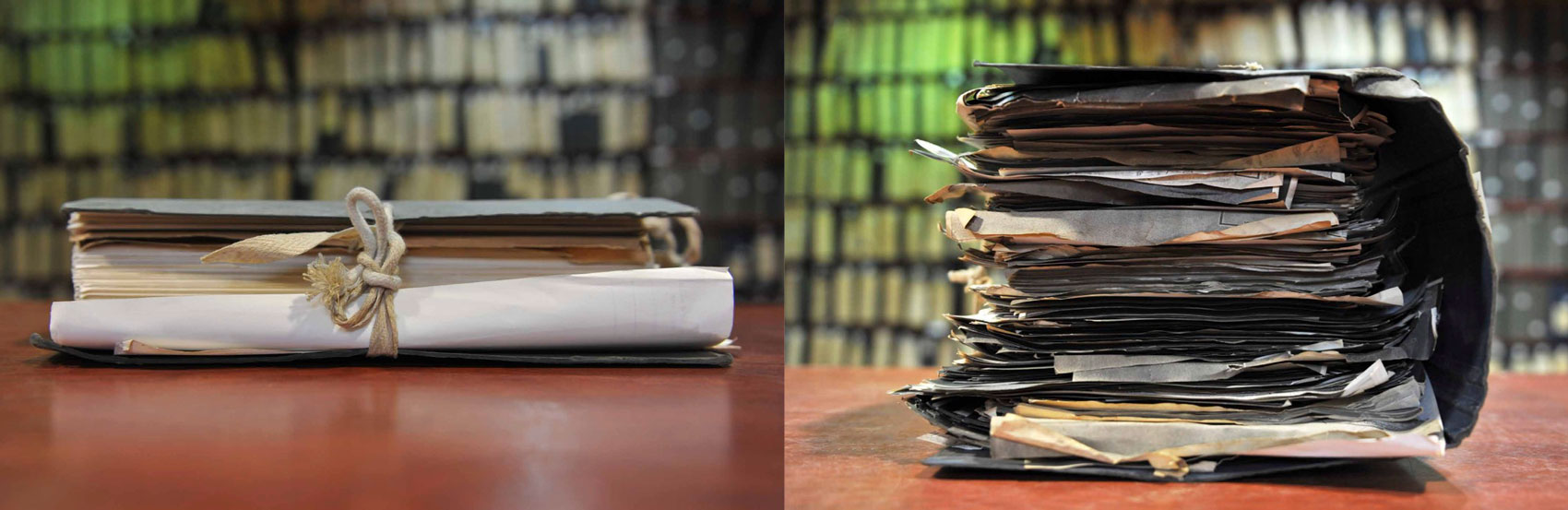
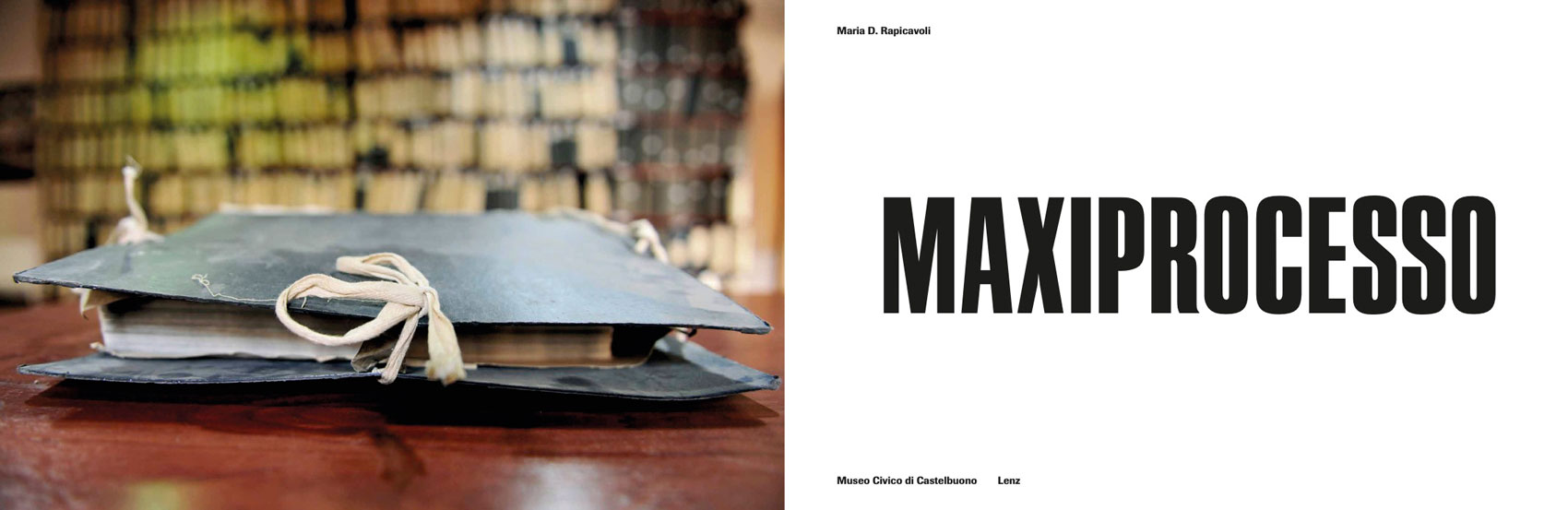
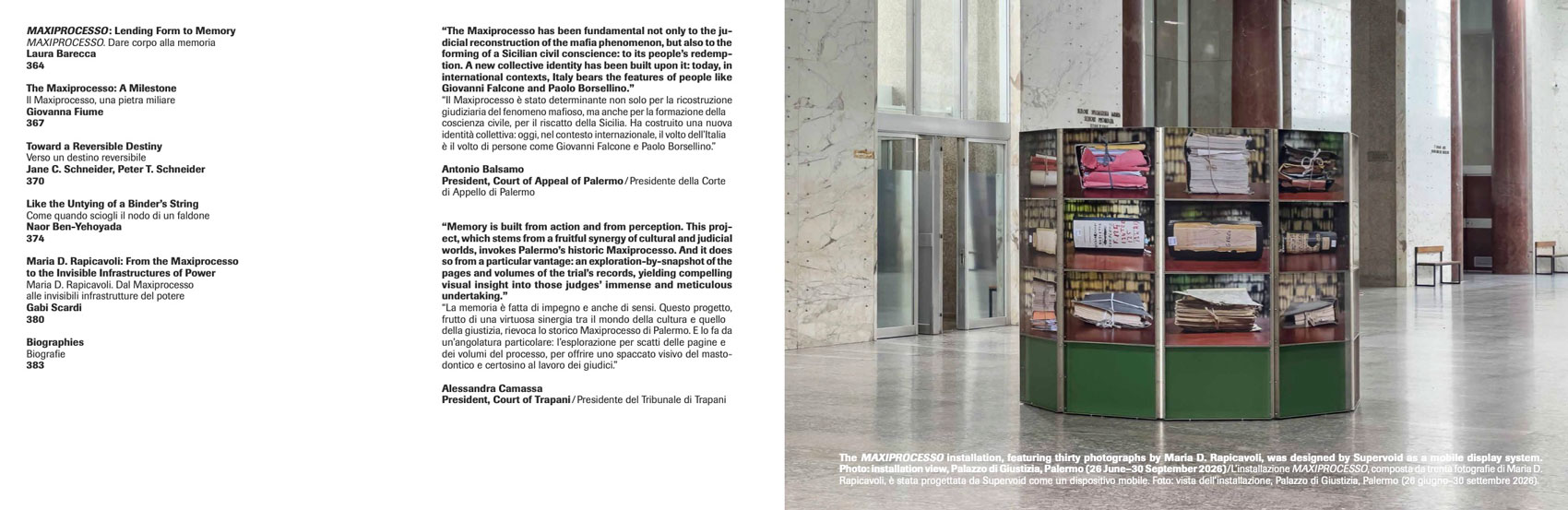
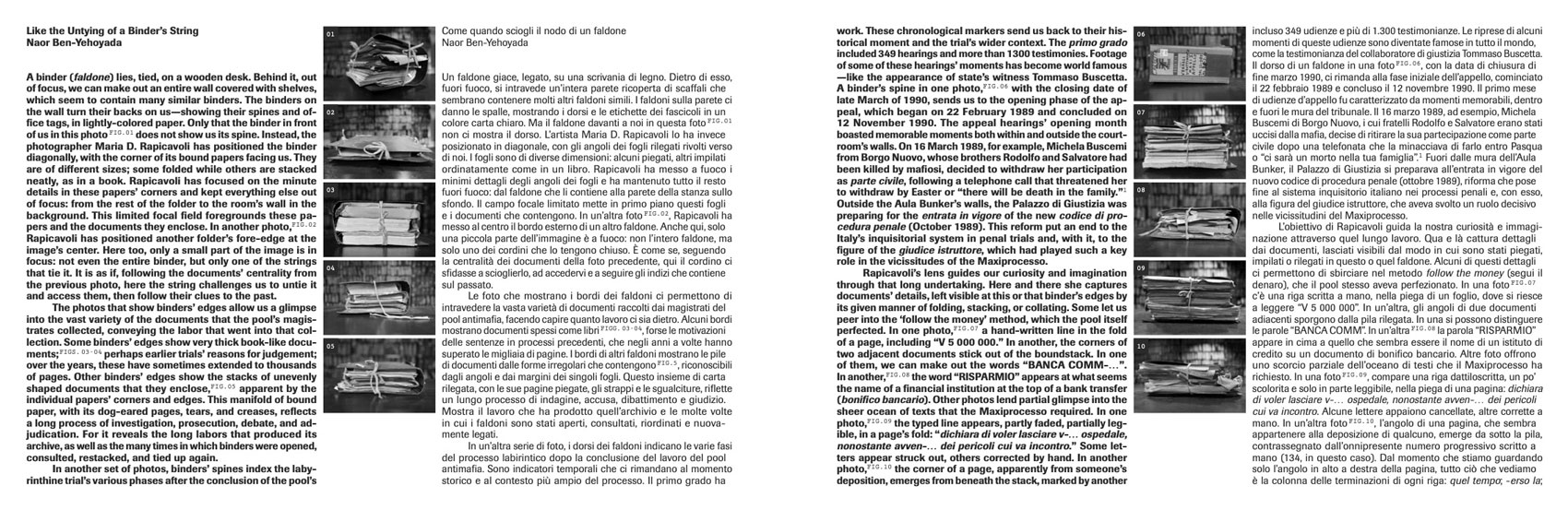
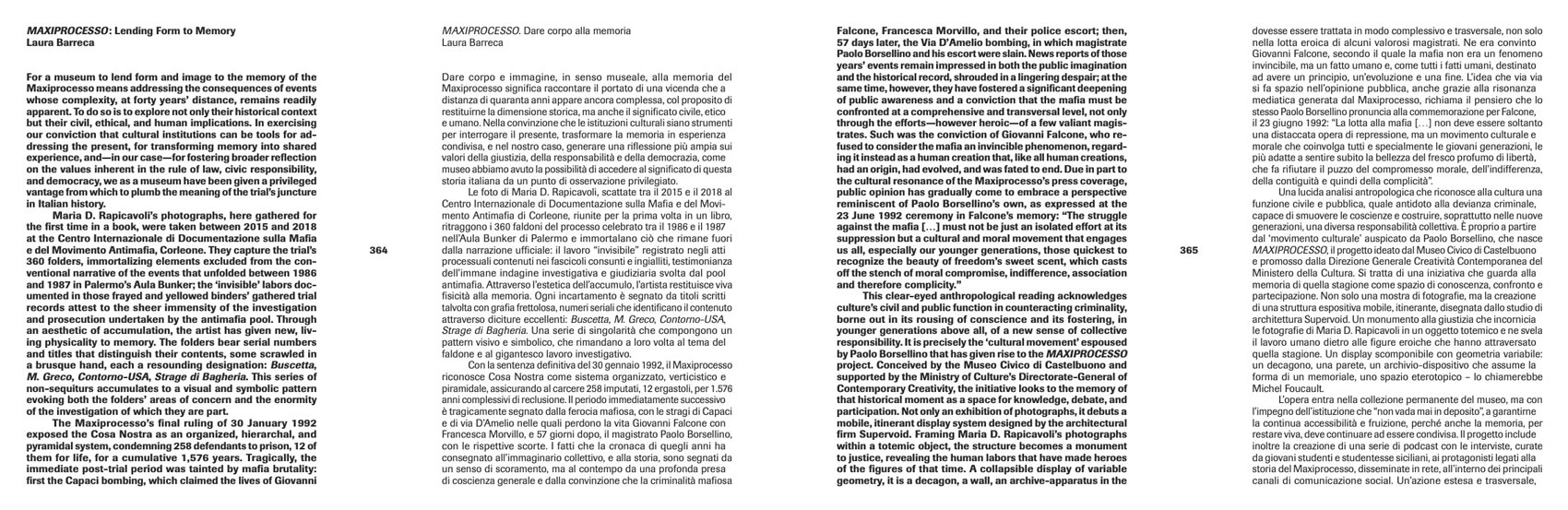
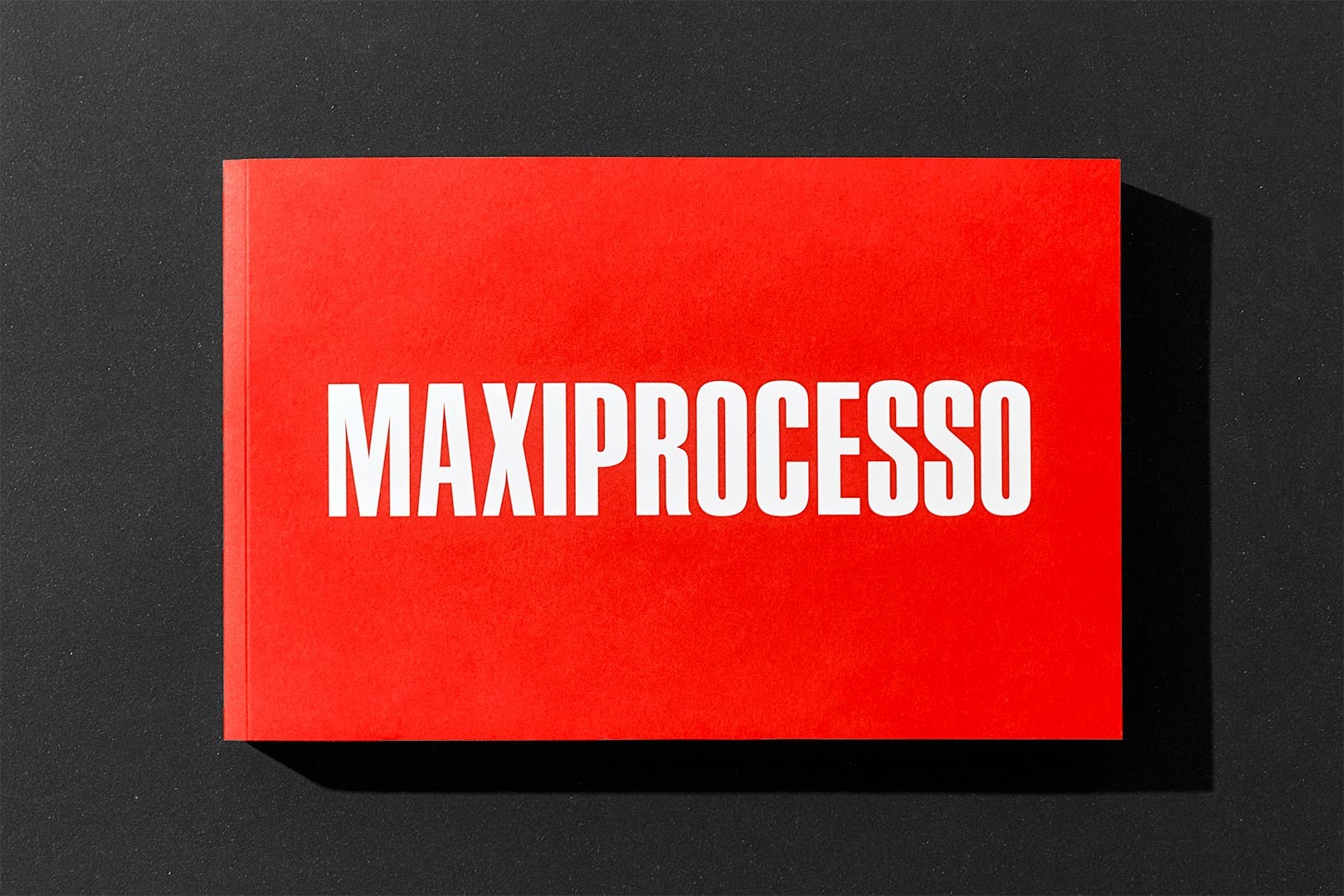
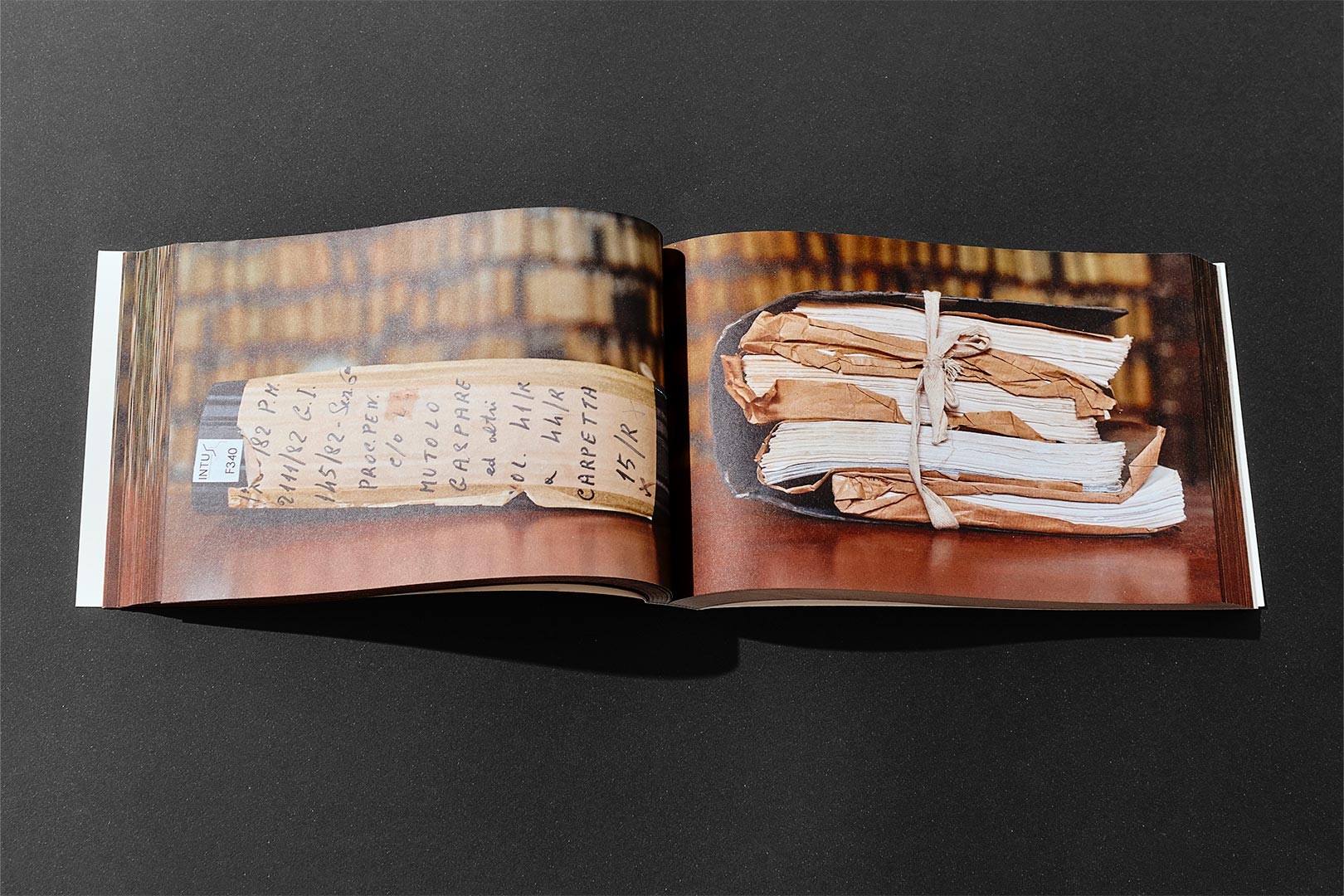
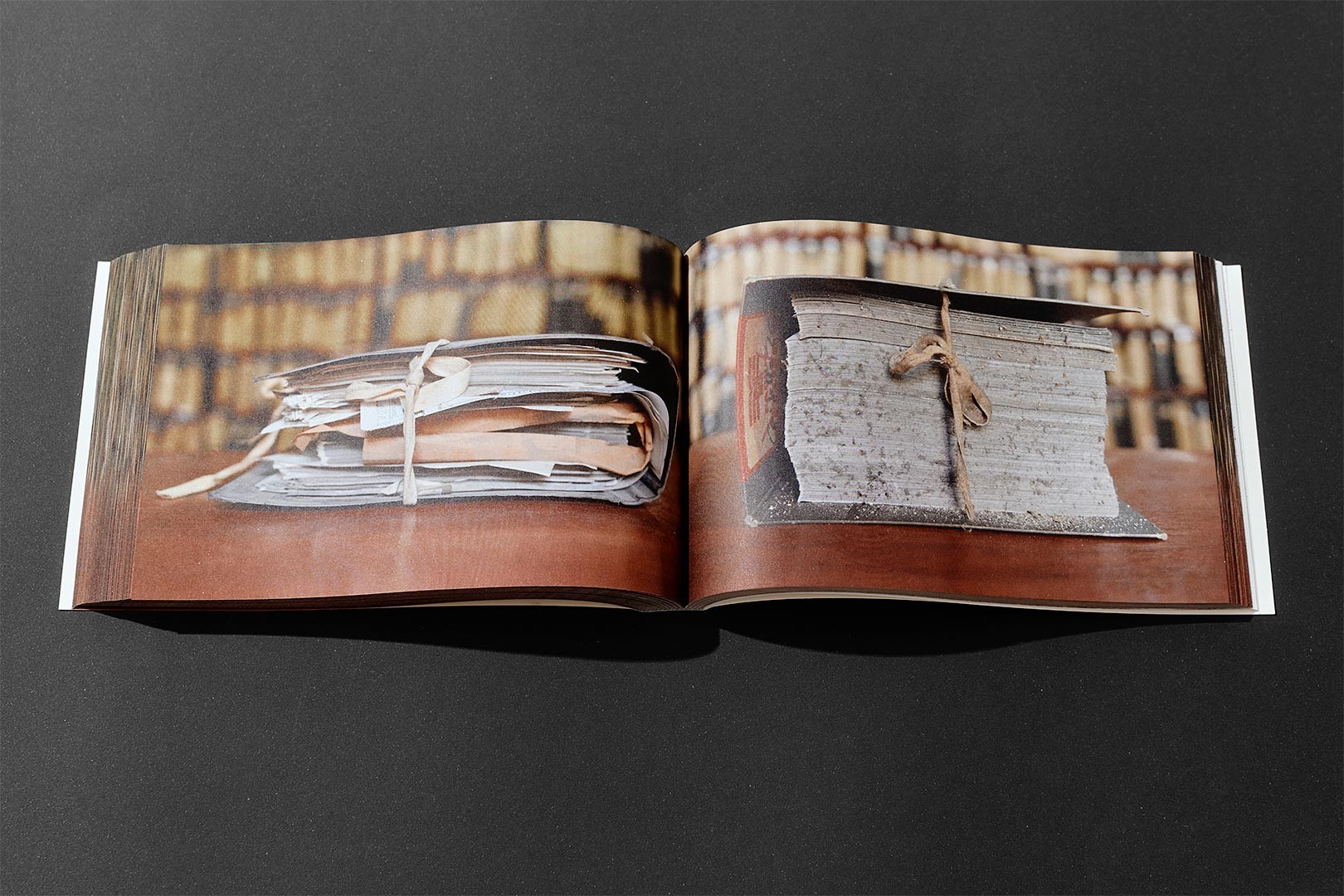
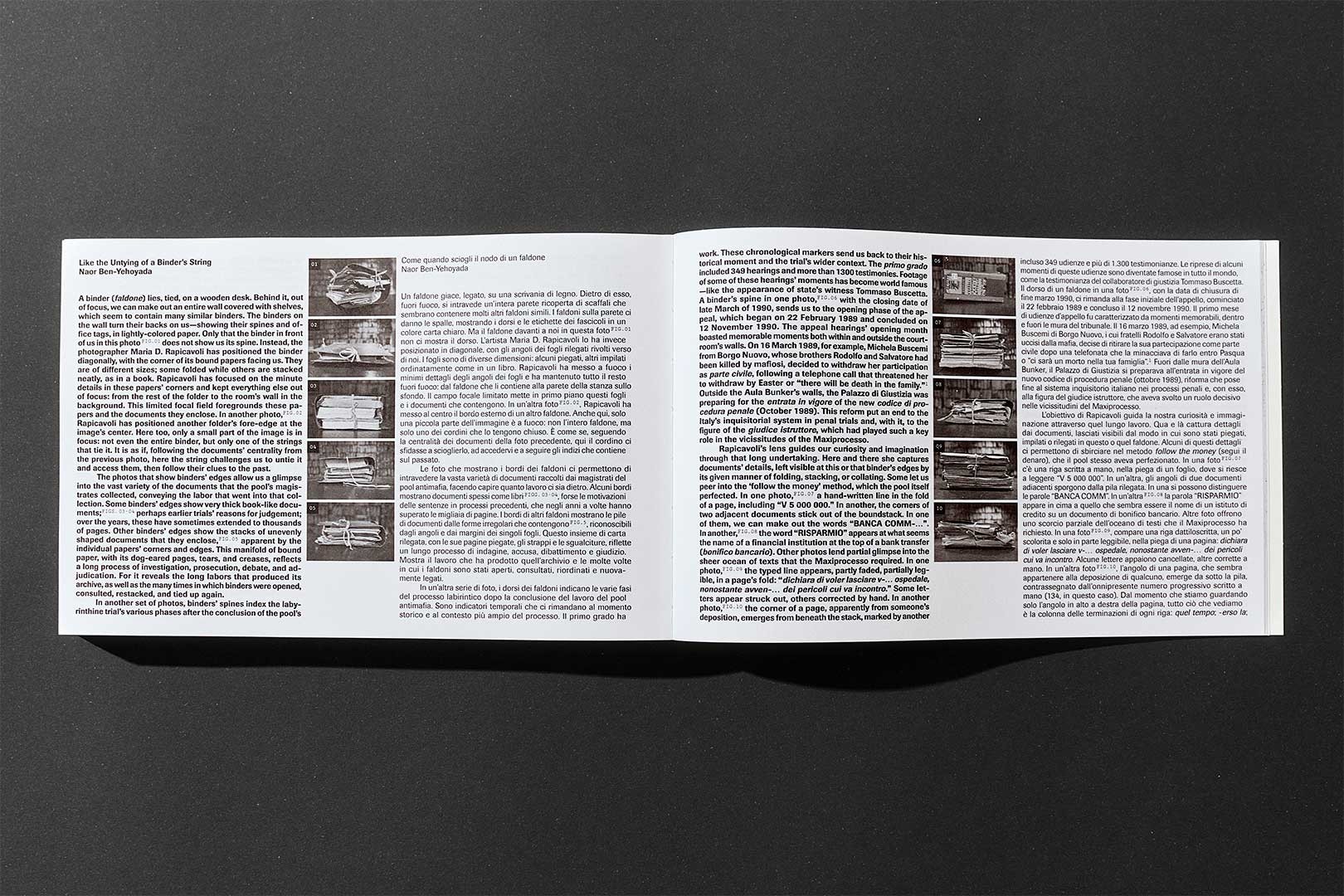
MAXIPROCESSO showcases the first-ever presentation of Maria D. Rapicavoli’s complete photographic series of the same name: 360 photographs, one for each of the archival folders that collectively document the largest mafia “Maxi Trial” in history, held in Palermo from 1986 to 1987. A selection from Rapicavoli’s series was exhibited at the Court of Palermo in 2026, housed in an installation designed by architecture firm Supervoid. The photographs convey the physical dimension of the exacting work underpinning the trial: reports, interrogations, wiretaps, depositions, and other documents charting Cosa Nostra’s activities. Together, they form the material footprint of the Palermo antimafia team’s vast investigation, which reconstructed and exposed the organization’s hierarchical structure for the first time.
In photographing the folders as a series, Rapicavoli moves beyond documentary representation. The images’ apparent repetition conveys the sheer volume of evidence produced by the investigation, making visible the scale of an archive whose contents usually remain inaccessible. By publishing the complete sequence, this volume communicates the materiality and magnitude of what is a crucial body of archival heritage. Thirty of Rapicavoli’s photographs have entered the permanent collection of the Museo Civico di Castelbuono, which has committed to ensuring their enduring accessibility and to fostering continued awareness and discussion of the historical legacy they represent.
The project also extends into the digital space through a series of podcast interviews pairing young Sicilian students with figures personally involved in the history of the Maxiprocesso. The initiative aims to encourage younger generations to interact more closely with this history and to develop a heightened sense of social responsibility. As Laura Barreca, Director of the Museo Civico di Castelbuono, observes: “As a public museum, today we reflect on the active role that cultural institutions can play in building a more aware, responsible, and engaged society. In Sicily, this duty assumes a still deeper meaning: here the memory of the Maxiprocesso will continue to be preserved, reinterpreted, and handed down to new generations, lending full expression to the power of contemporary art as as a tool for interpretation, dialogue, and dissemination.”
MAXIPROCESSO was staged by the Museo Civico di Castelbuono with the support of the 2025 Strategia Fotografia open call promoted by the Italian Ministry of Culture’s Directorate-General for Contemporary Creativity, and with the assistance of nctm e l’arte: A project by ADVANT Nctm. The project was developed with the support of Antonio Balsamo, President of the Court of Appeal of Palermo, and Alessandra Camassa, President of the Court of Trapani, and marks the fortieth anniversary of the start of the Maxiprocesso. Through photography and contemporary art, it reaffirms the trial’s landmark role in late-twentieth-century Italian history while exploring the connections between justice, cultural institutions, and social responsibility, and how this pivotal event can be interpreted and transmitted to new generations.