Over the last ten years, Raphael Hefti has created an astonishingly body of work consisting of sculptures and installations, performance and “art-in-public-spaces.” The first comprehensive monograph is published on the occasion of his major exhibition at Kunsthalle Basel.
Between 1998 and 1999, the London-based art collective BANK operated the Fax-Bak Service. The group’s members proof-read and copy-edited more than 300 press releases by galleries. The publication is the most comprehensive record of this notorious project.
SOLD OUT
Sold Out
Listen
On how The BANK Fax-Bak Service started and how it came to be a book
In the Villa Santo Sospir, Jean Cocteau conceived his pictorial work through accumulation, inspired by Greek mythology and the Mediterranean landscape. Architecture permeates the subjects of Mauro Restiffe from a viewpoint that amplifies and reverberates the simple historical record.
Oh mio cagnetto, is the artist’s first book of writings, conceived as an artwork. It is a collection of 81 little poems that revolve around the missed and mourned figure of a puppy. It intentionally plays on the ambiguity of its nature, as both a book distributed in conventional ways and an art object.
When she started writing the Corona Tales, Chus Martínez had been weighing how people and the media were addressing the outbreak of the virus as an unprecedented disaster. One possible contribution, as curator and writer, would be to write a short story a day…
Edited by Gina Buenfeld-Murley and Martin Clark
Essays by Gina Buenfeld-Murley, Martin Clark, Leonie Radine, Géraldine Gourbe
Designed by Sara De Bondt
Published with Camden Art Centre, London; Frac Bretagne, Rennes, France; Kunsthalle Wien – Stadt Wien
Kunst GmbH, Vienna, and Museion – Museum of Modern and Contemporary Art, Bolzano/Bozen
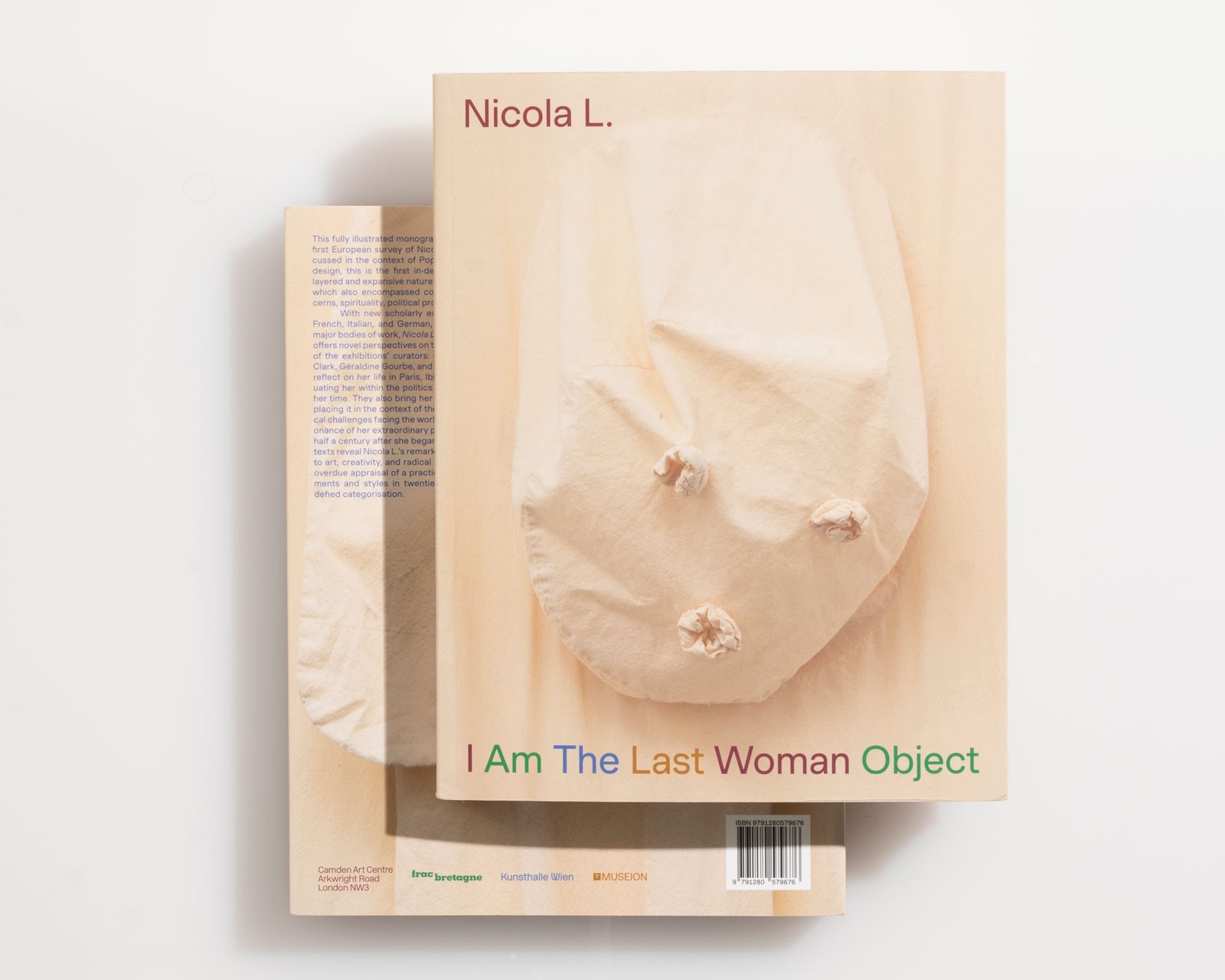
2025, English / French / German / Italian, softcover, 240 pages, 20 x 26 cm
ISBN 979-12-80579-67-6
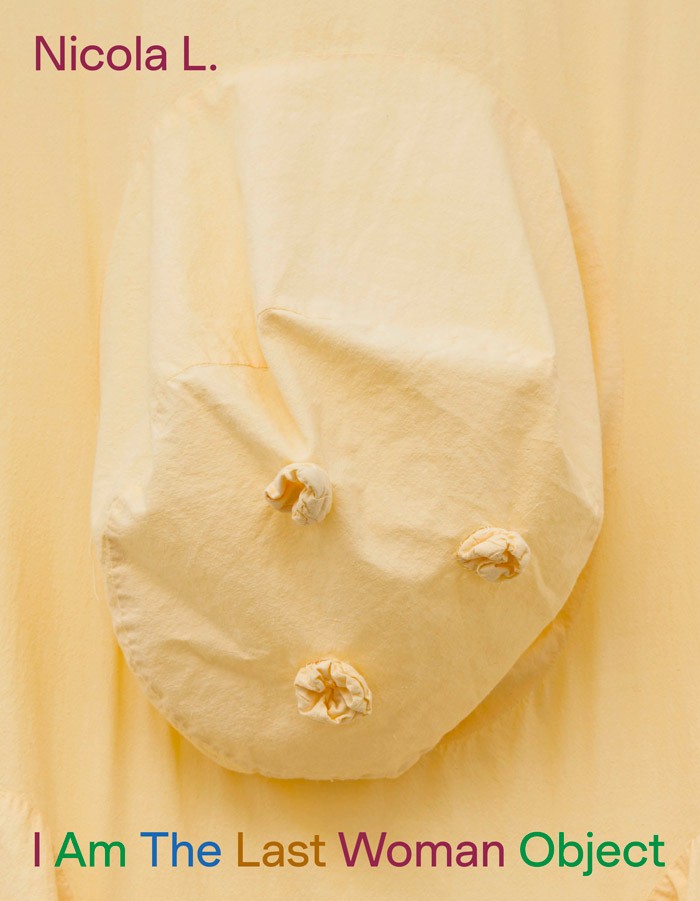
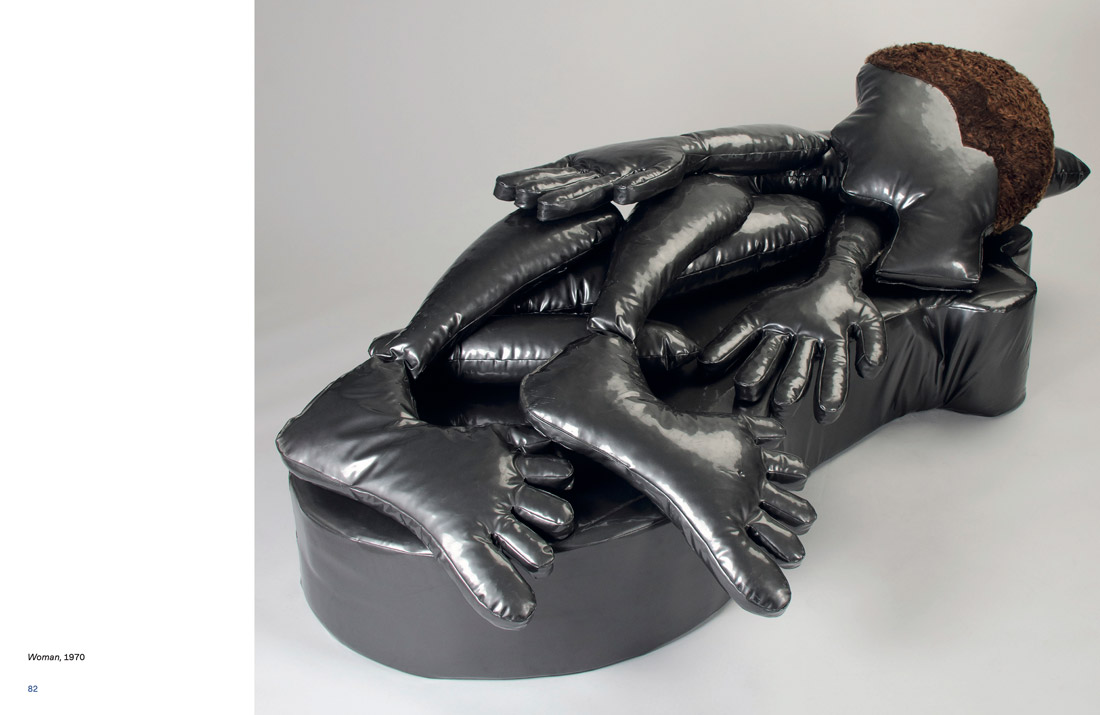
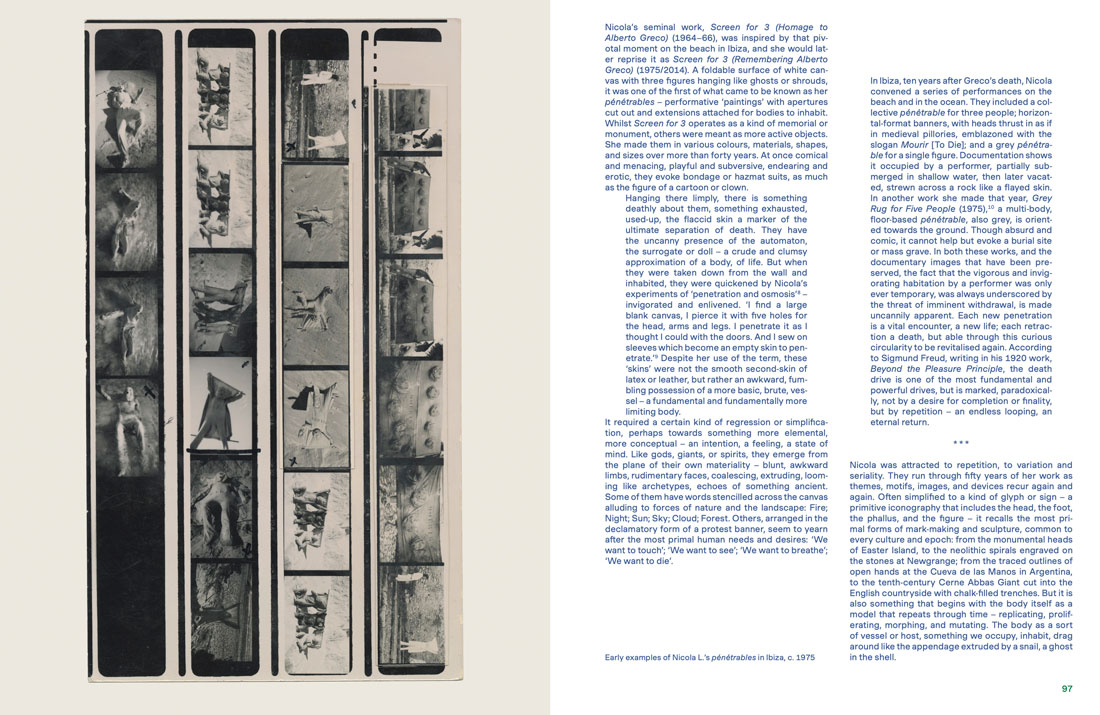
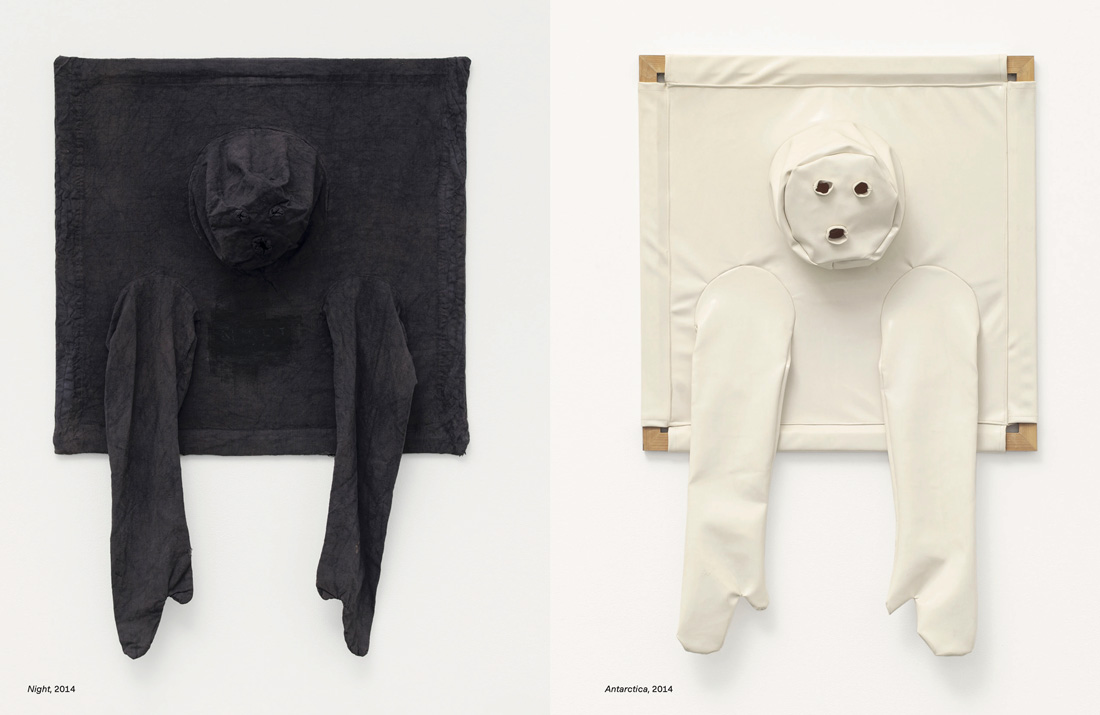
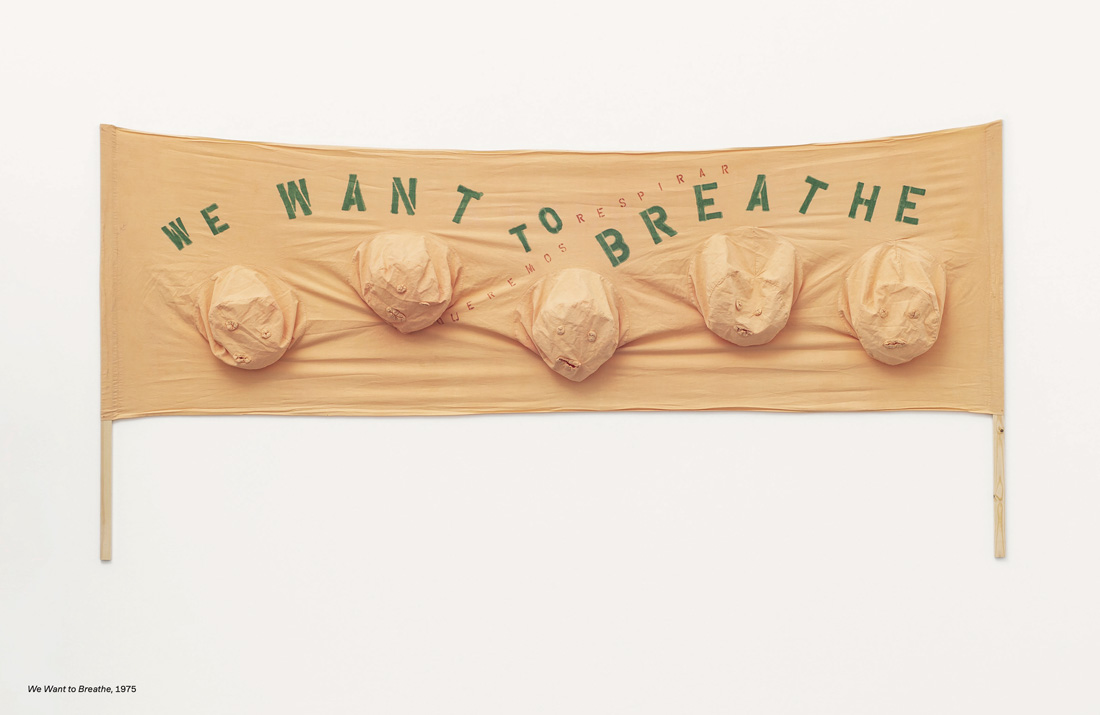
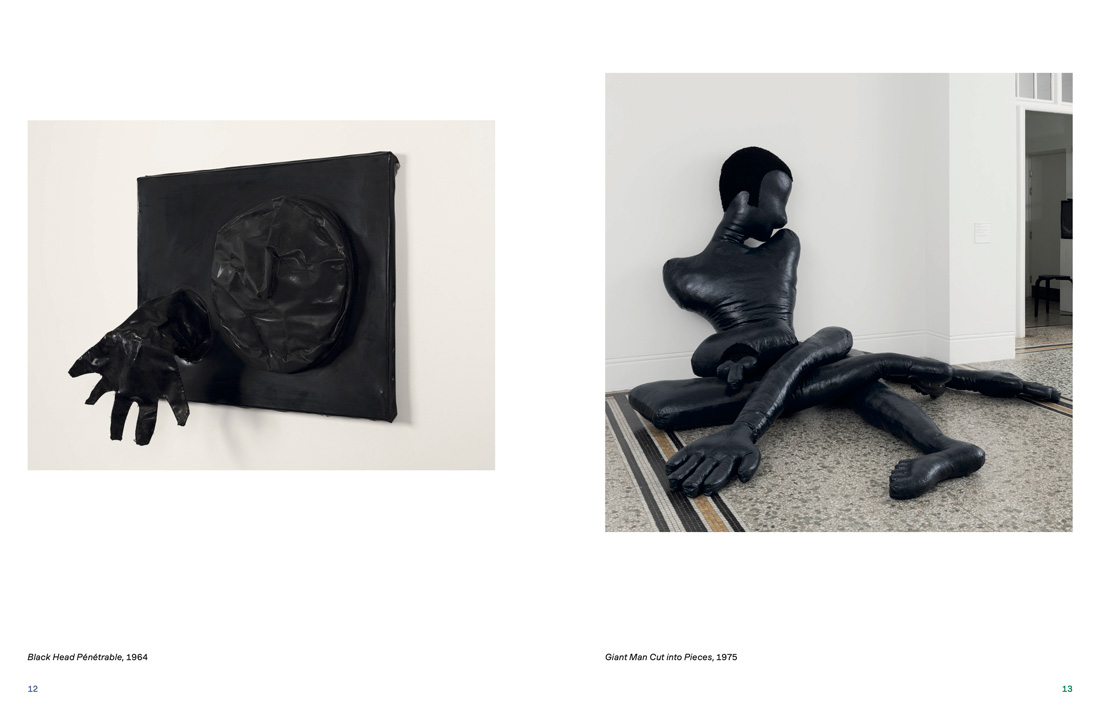
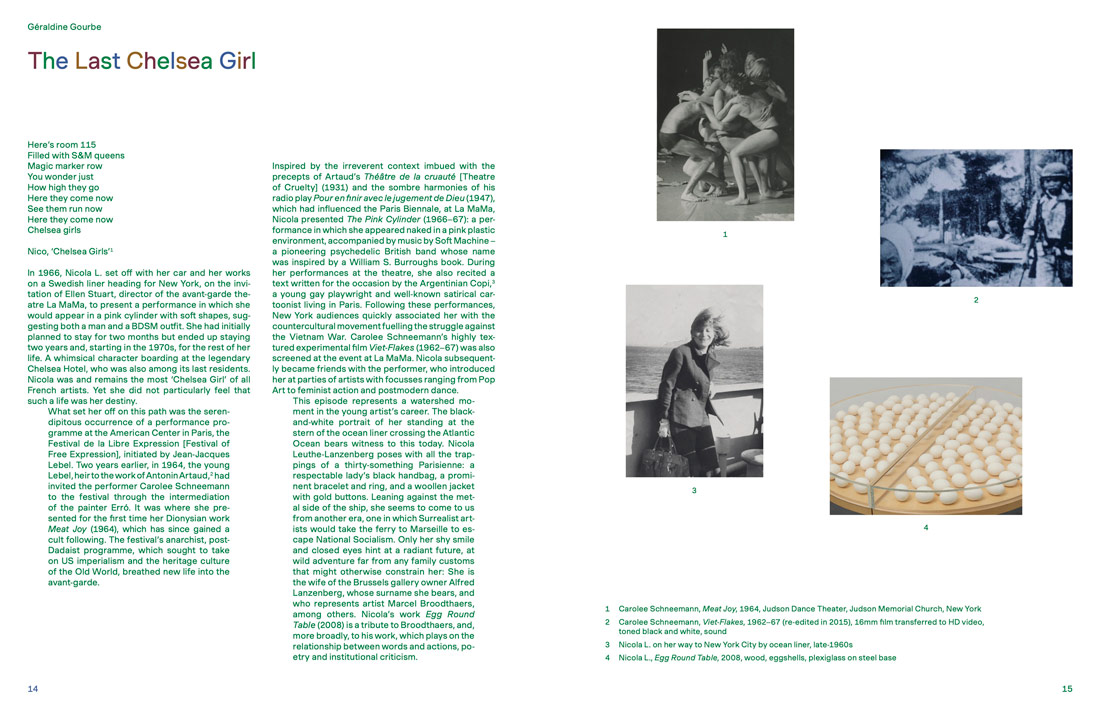
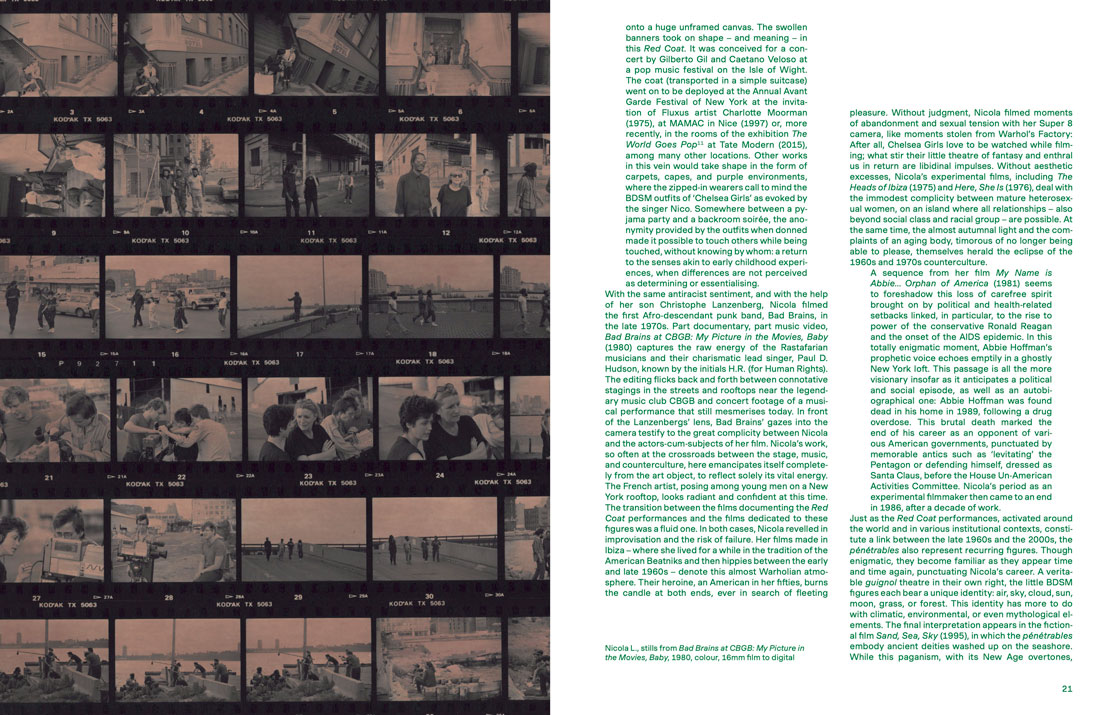
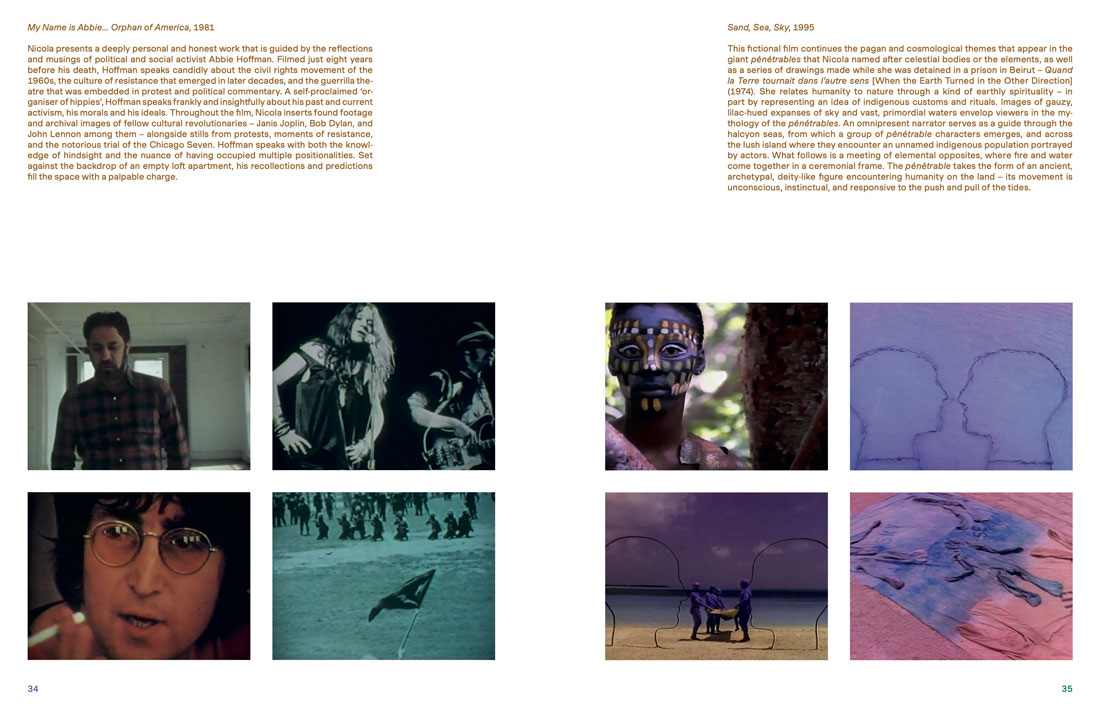
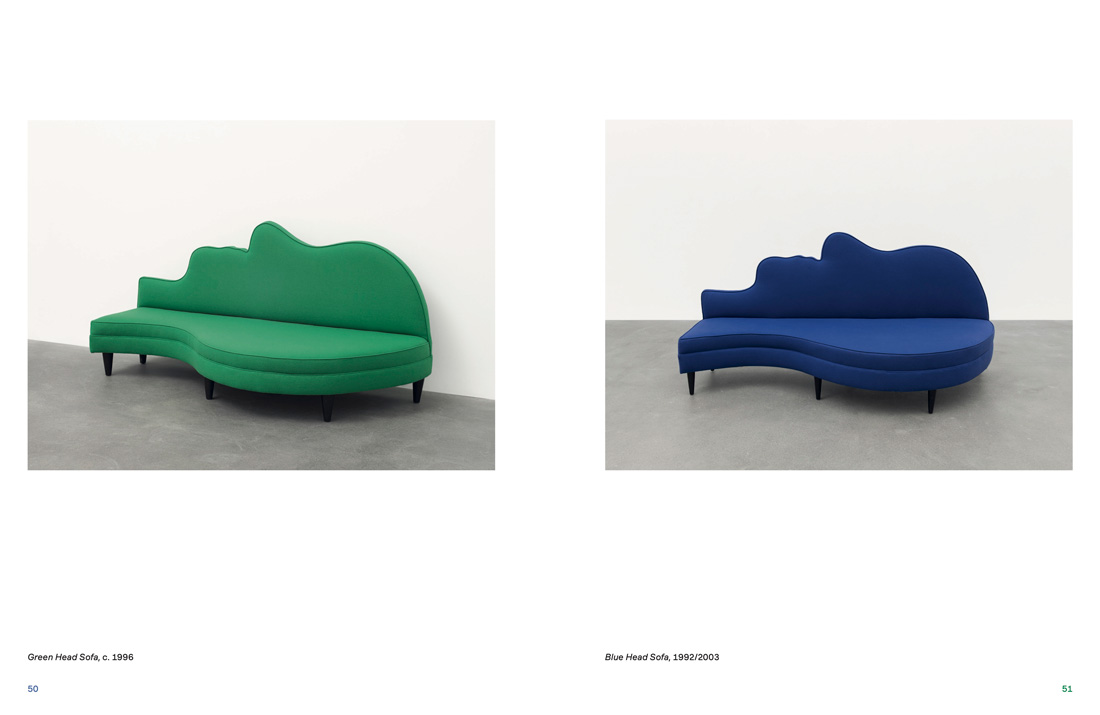
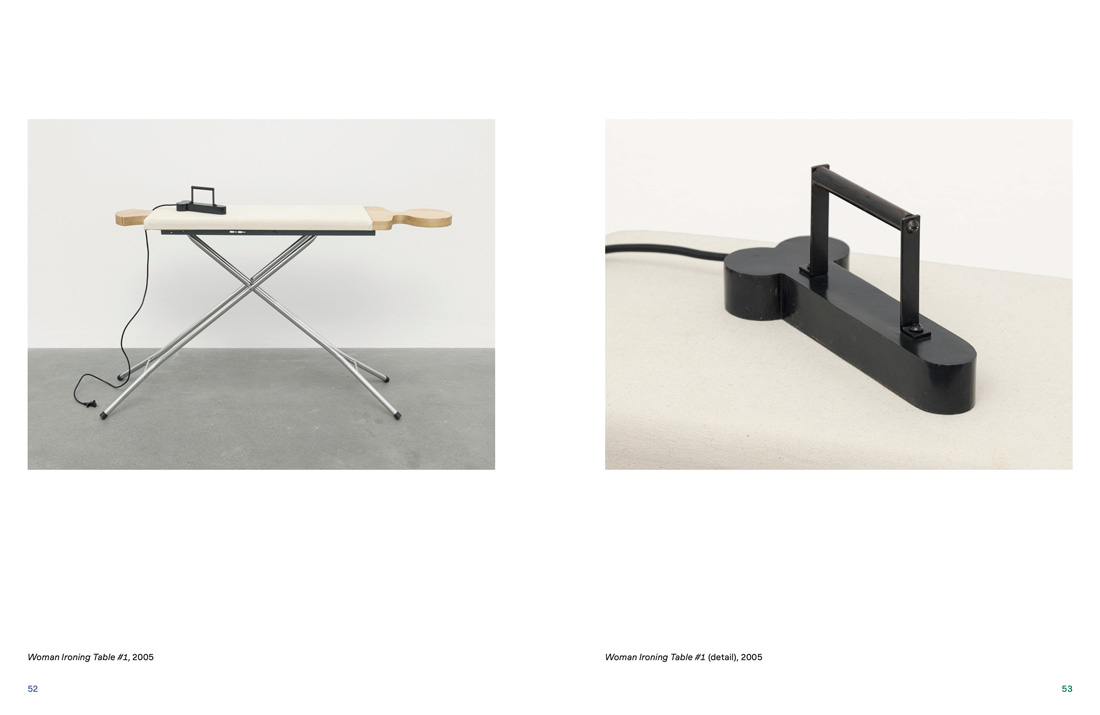
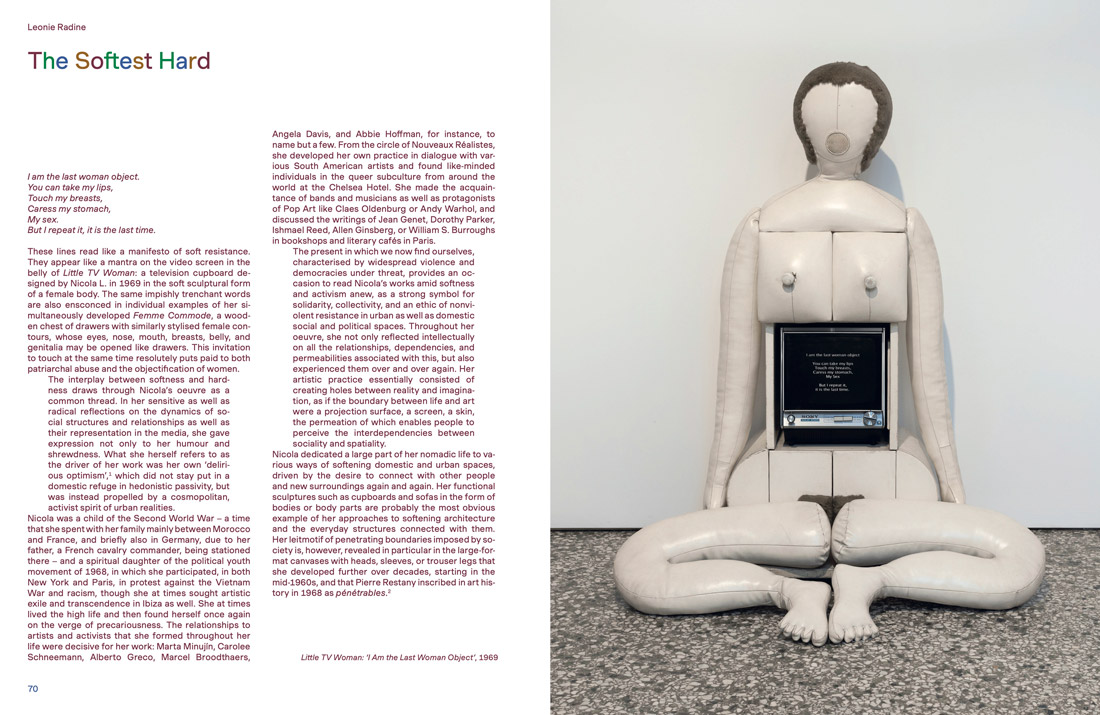
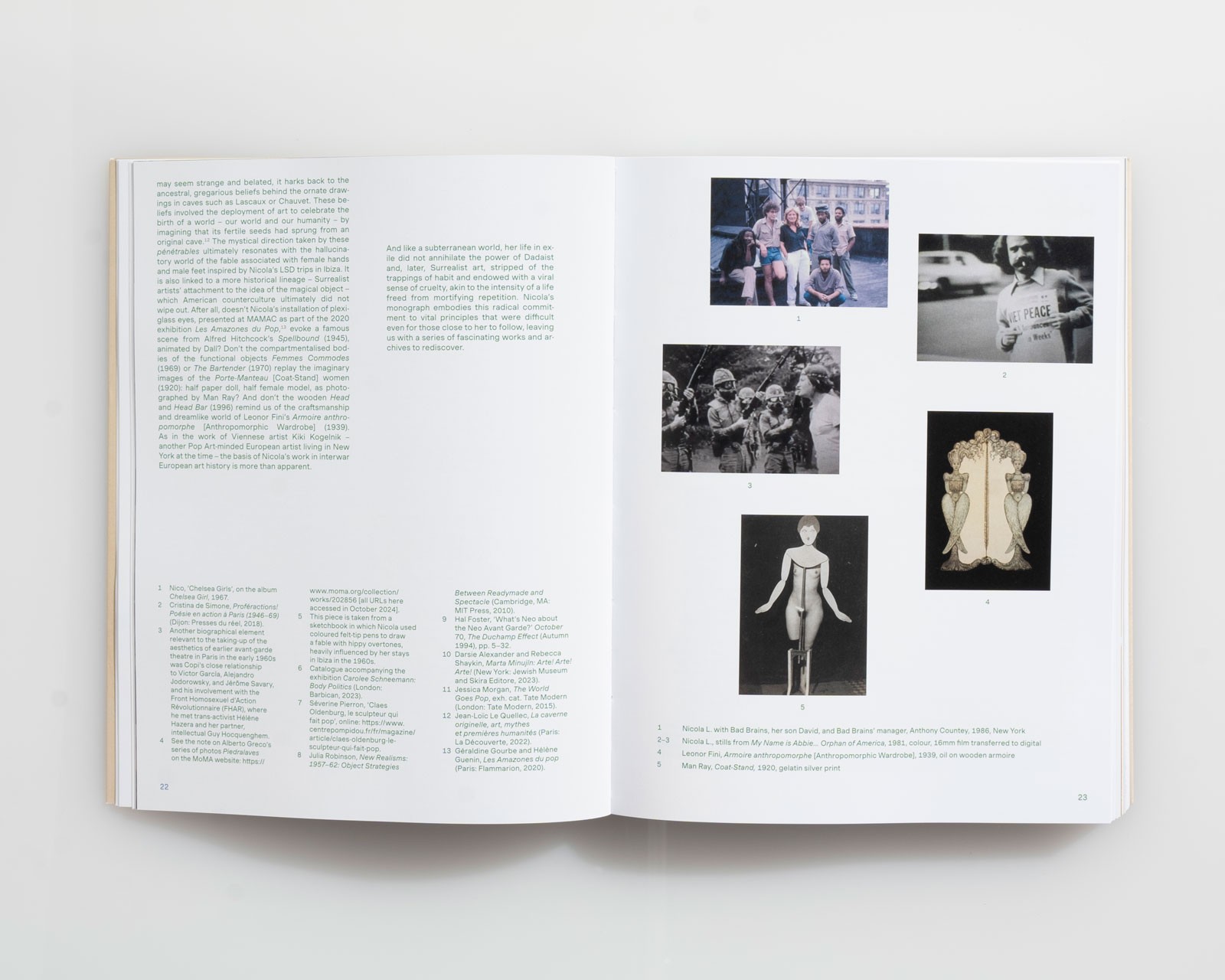
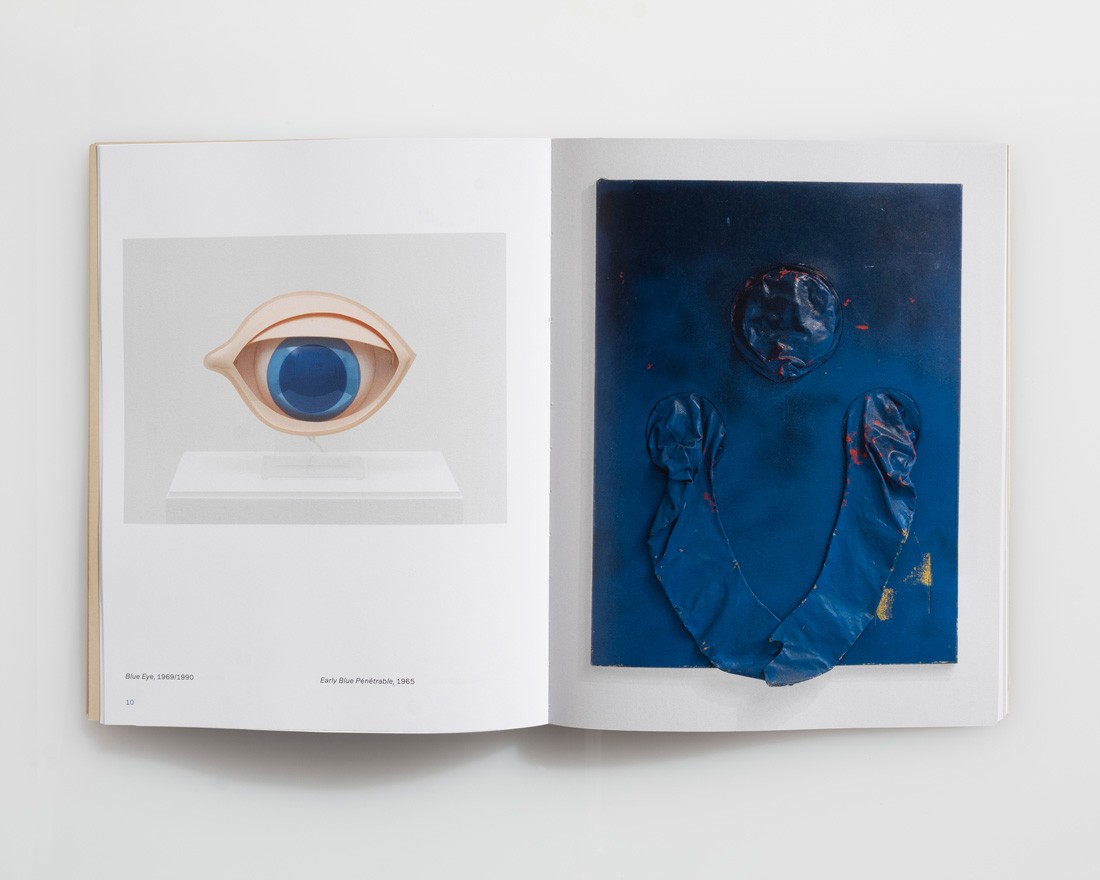
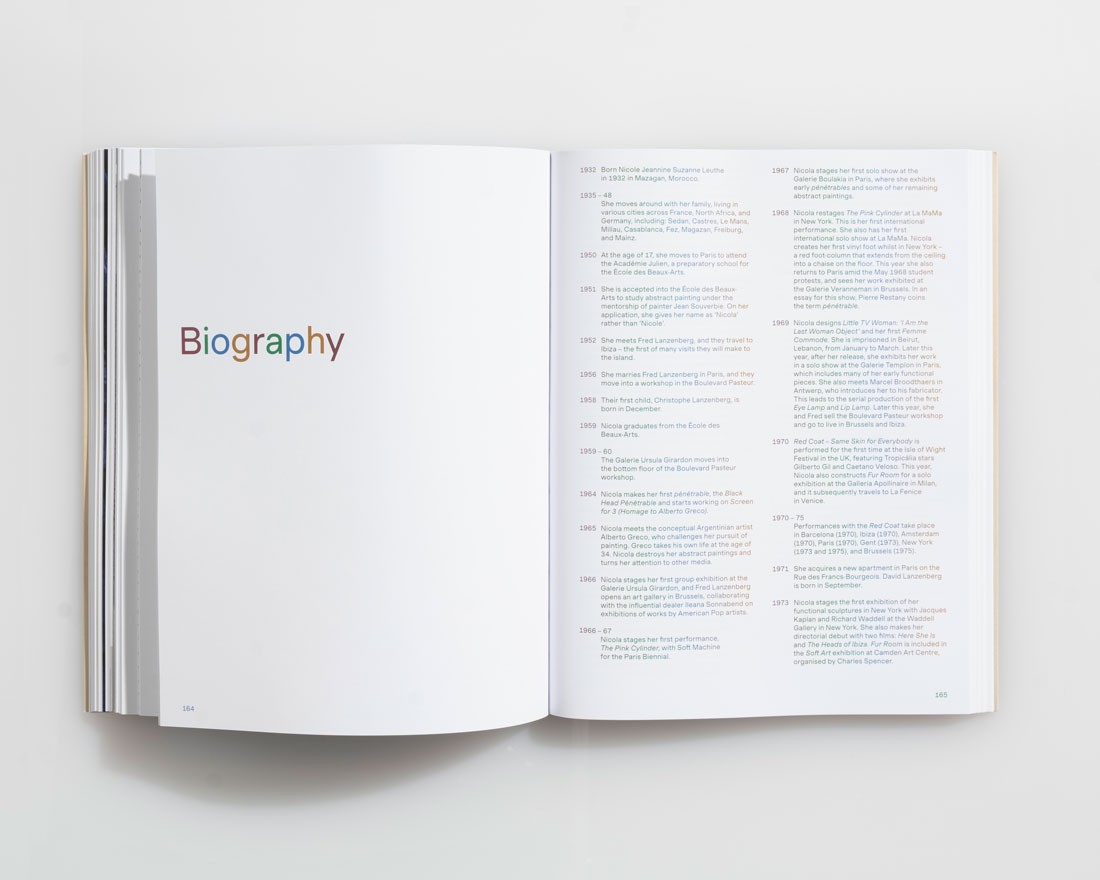
This fully illustrated monograph marks the occasion of the first European survey of Nicola L. (1932–2018). Often discussed in the context of Pop Art, activism, feminism, and design, this is the first in-depth exploration of the multi-layered and expansive nature of her extraordinary practice, which also encompassed cosmology, environmental concerns, spirituality, political protest, and sexuality.
With new scholarly essays translated into English, French, Italian, and German, and supplementary texts on major bodies of work, Nicola L. I Am The Last Woman Object offers novel perspectives on the artist’s practice from some of the exhibitions’ curators: Gina Buenfeld-Murley, Martin Clark, Géraldine Gourbe, and Leonie Radine. Together, they reflect on her life in Paris, Ibiza, Beirut, and New York, situating her within the politics and the social movements of her time. They also bring her work fully into the present by placing it in the context of the social, political, and ecological challenges facing the world today, thus enabling the resonance of her extraordinary practice to continue more than half a century after she began working. Taken together, the texts reveal Nicola L.’s remarkable and lifelong commitment to art, creativity, and radical subversion, presenting a long-overdue appraisal of a practice that straddled many movements and styles in twentieth-century art but resolutely defied categorization.