The first major monograph on artist Jill Mulleady, whose paintings thread motifs of decay, memory, history, and private myth, featuring humans and animals enacting their instinctive psychological reactions to ever-present threats of danger.
The essays in this first-ever monograph dedicated to Swiss artist Jan Vorisek, alongside image portfolios of the exhibitions they explore and an appendix that features photos and documentation of Vorisek’s performances, recordings and ephemera, grant us unprecedented access to the private fictions that the work reveals.
Since the 1990s Costa has been challenging hierarchies of art production and the fetishization of the “finished” artwork, inviting viewers to reconsider what is discarded, both materially and socially. Through over 300 artworks, accompanied by new writing, this catalogue explores Adriano Costa’s work, a meditation on transformation—of objects, meanings, and systems of value.
This richly illustrated book considers the dazzling oeuvre of choreographer and dancer Marlene Monteiro Freitas. In line with her creative methodology, Alexandra Balona unfolds an “atlas of affects” through five emblematic dance pieces that reveal the intensity, humor, and humanity of one of today’s most radical choreographic voices.
Invited to present an exhibition at the Galleria Borghese in Rome, Kenyan-American artist Wangechi Mutu has developed an innovative approach to museum space, challenging hierarchy, permanence, and fixed meanings. With in-depth essays and a rich selection of illustrations, this catalog retraces that exhibition and explores the themes and concerns that have long characterized the artist’s practice.
Invitata a concepire una mostra alla Galleria Borghese, l’artista keniota-americana Wangechi Mutu ha sviluppato un approccio innovativo allo spazio museale, confrontandosi con le gerarchie, la permanenze e le sedimentazioni del contesto. Attraverso saggi approfonditi e una ricca selezione di illustrazioni, questo catalogo ripercorre la mostra ed esplora i temi e le preoccupazioni che da tempo caratterizzano la pratica dell’artista.
Edited by Konrad Bitterli
Texts by Mitchell Anderson and Konrad Bitterli
Designed by Anne Stock
Co-published with Kunst Museum Winterthur
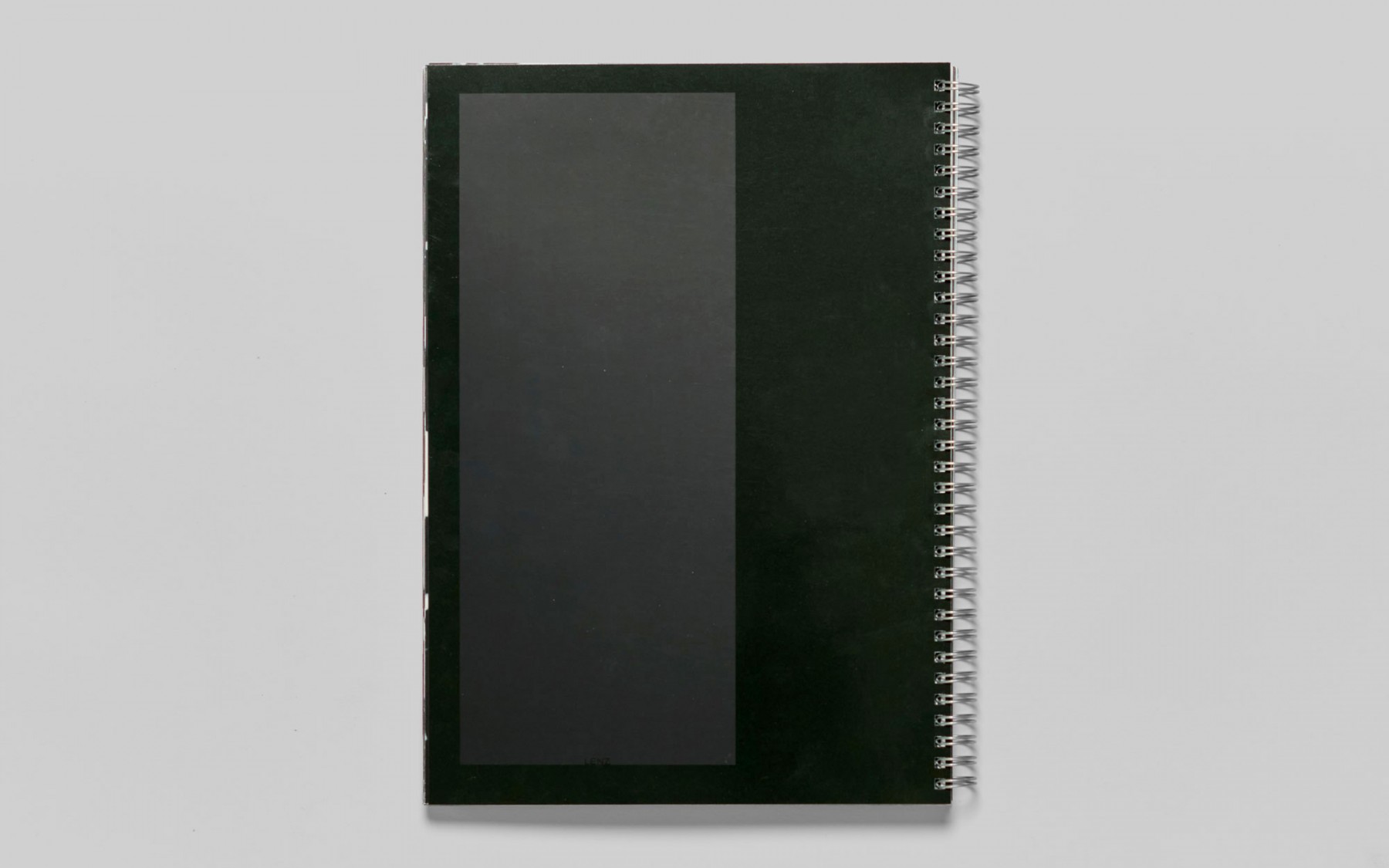
2025, English / German, Spiral-bound, 30 x 22 cm, 140 pages
ISBN 979-12-80579-83-6
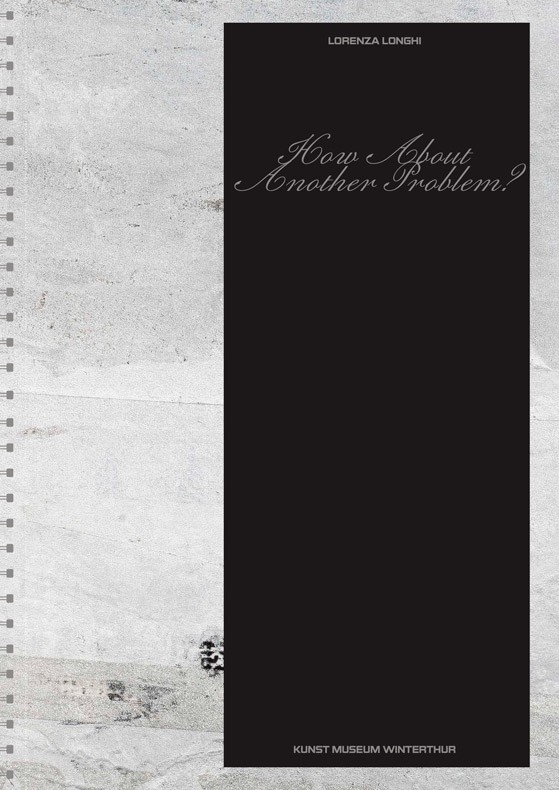
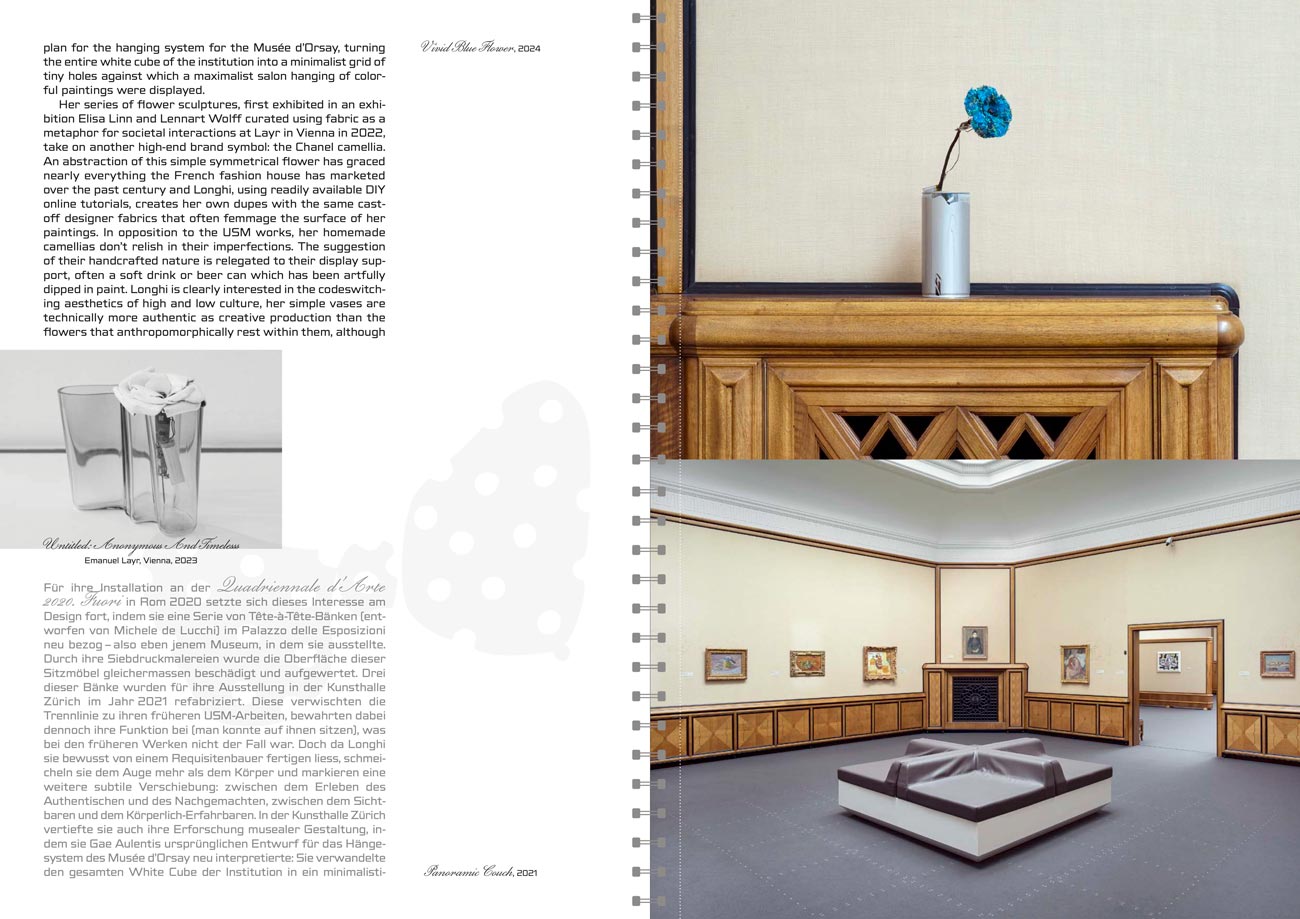
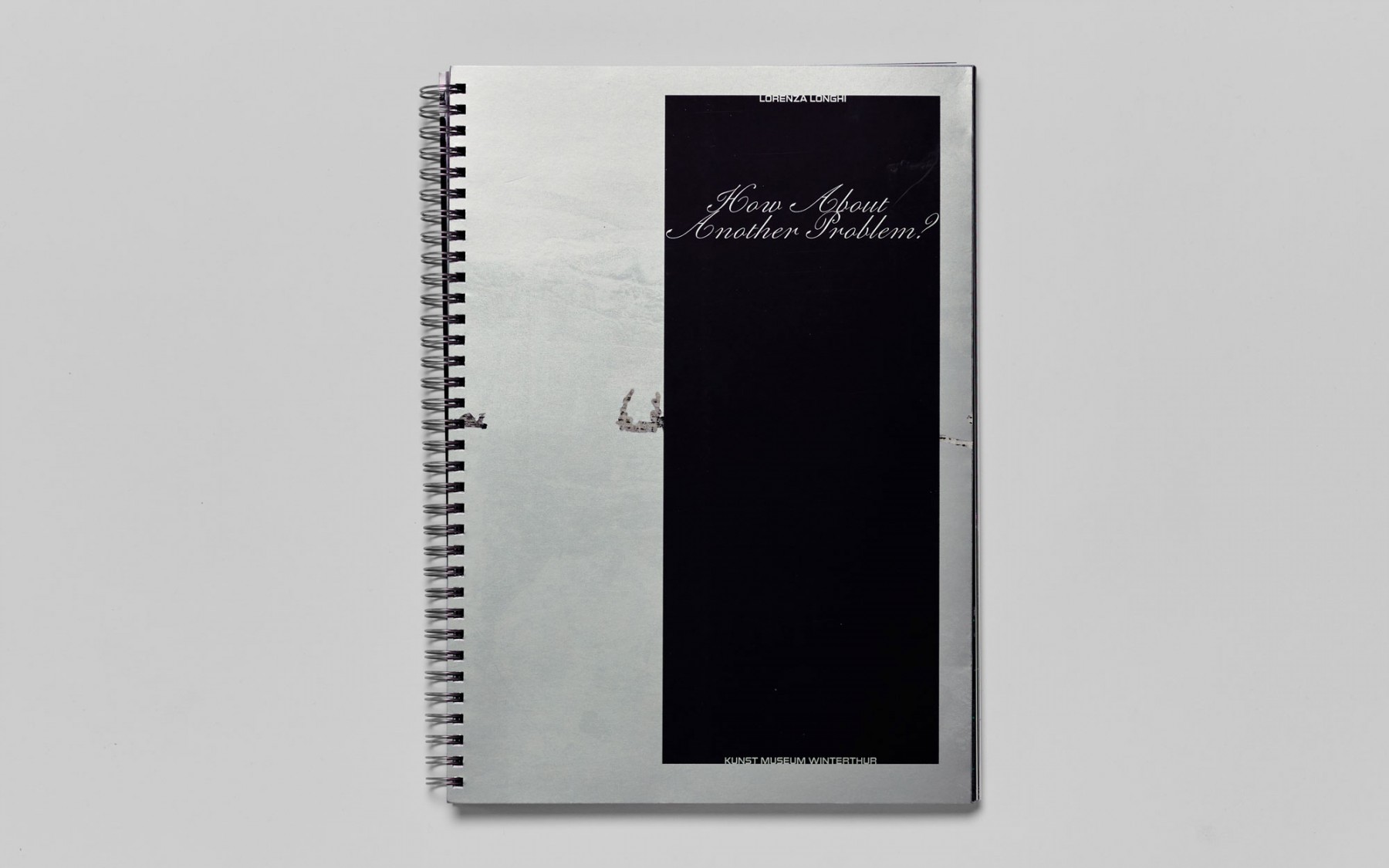
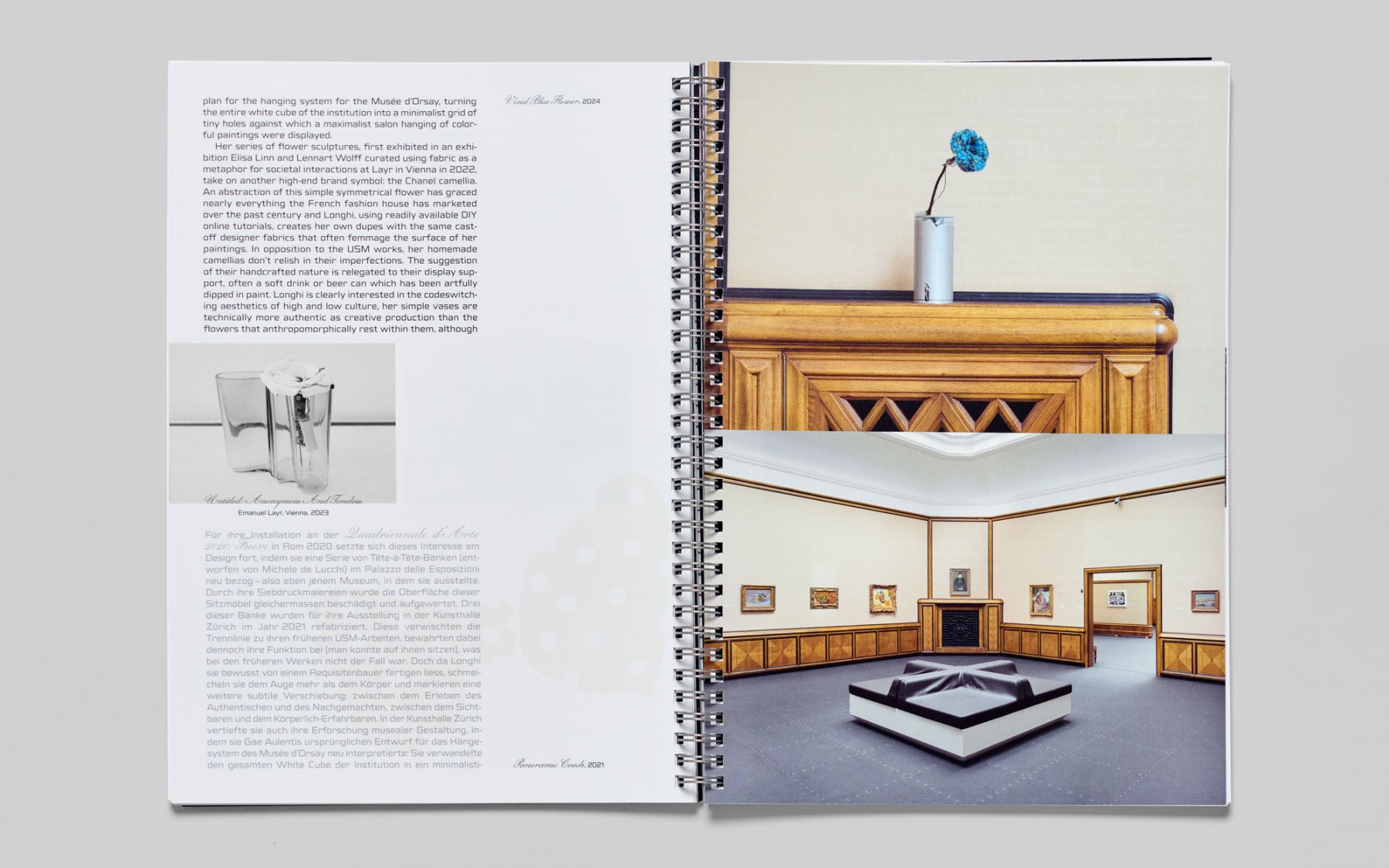
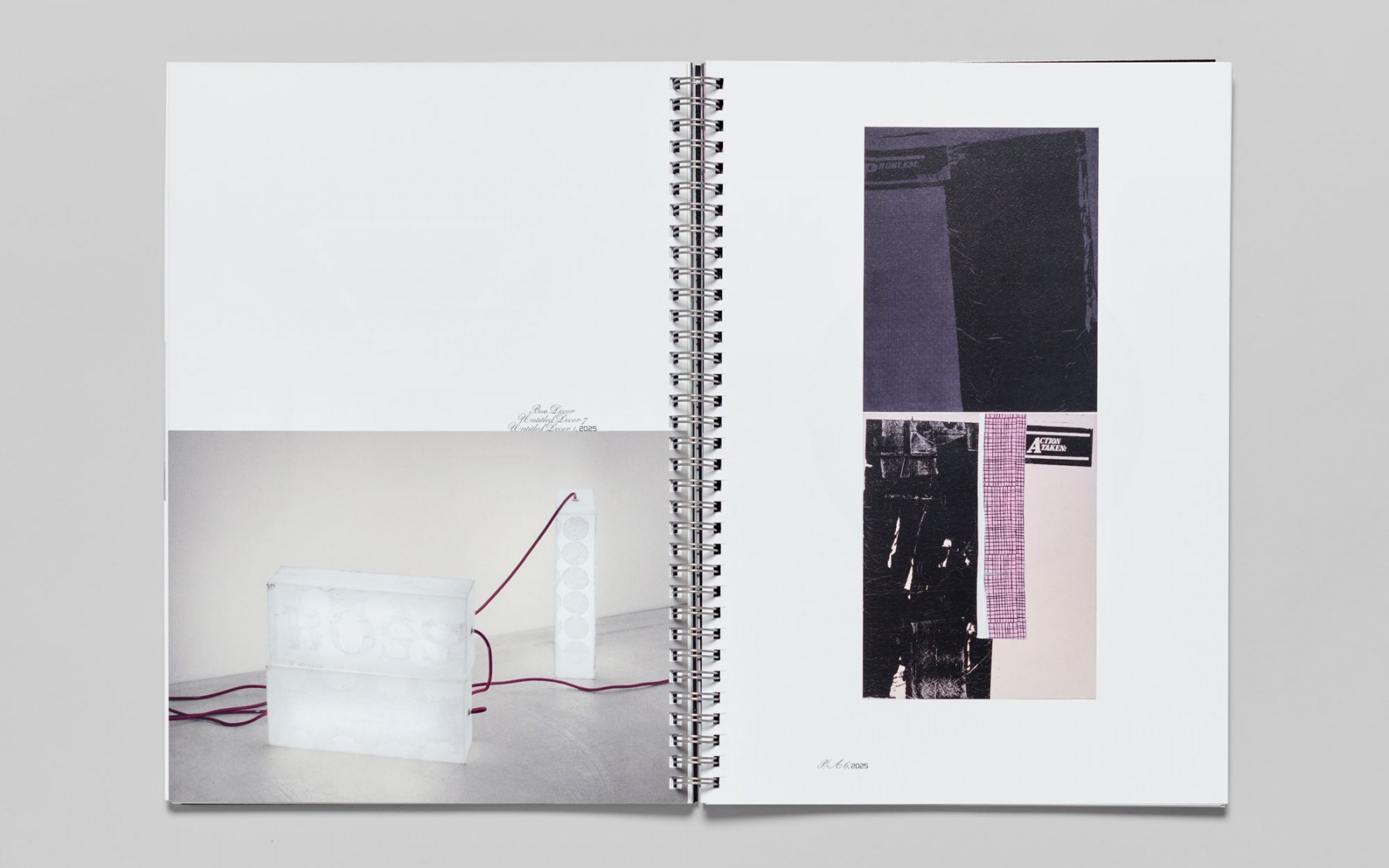
Lorenza Longhi’s practice centers on the circulation of images, materials, and value systems within consumer culture. Working across screen printing, sculpture, installation, and re-constructed furniture, she often reinterprets familiar objects and design elements to expose the subtle pressures embedded in them. By manipulating surfaces, textures, and production processes, Longhi reveals how aesthetics regulate social behavior, status, and aspiration. Her objects—whether printed panels or hybrid forms derived from interior décor—highlight the instability of meaning as things move between domestic, commercial, and institutional settings.
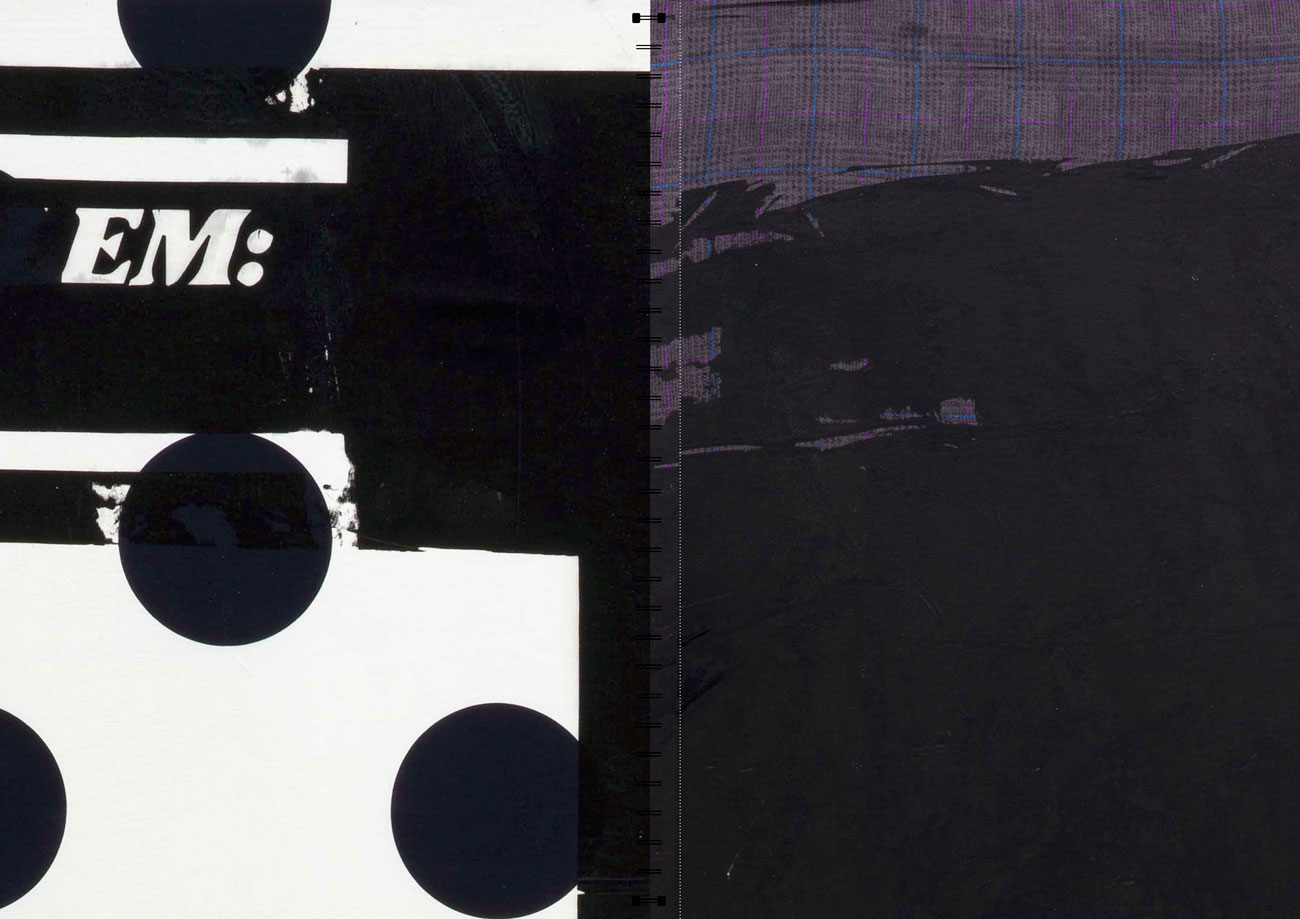
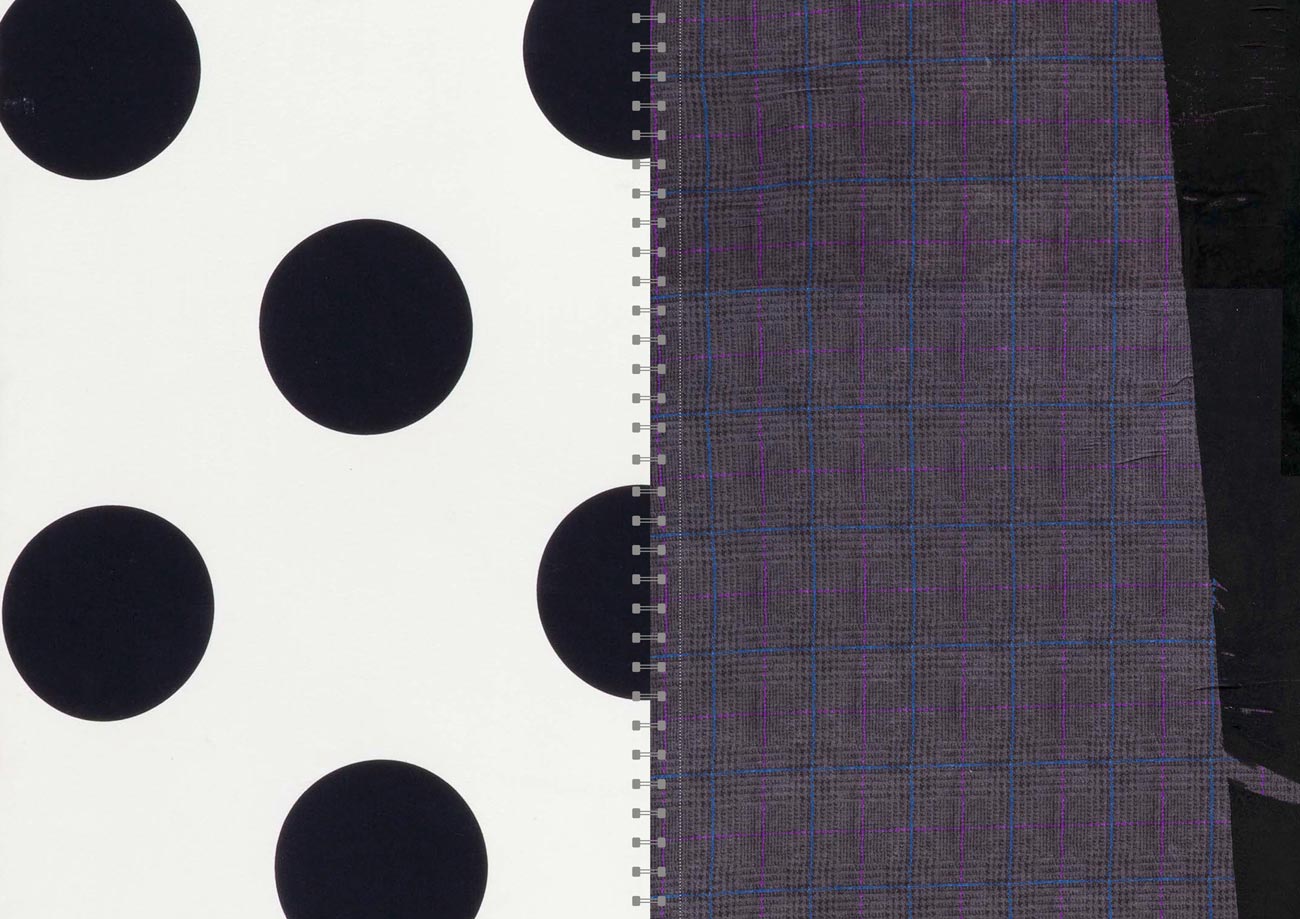
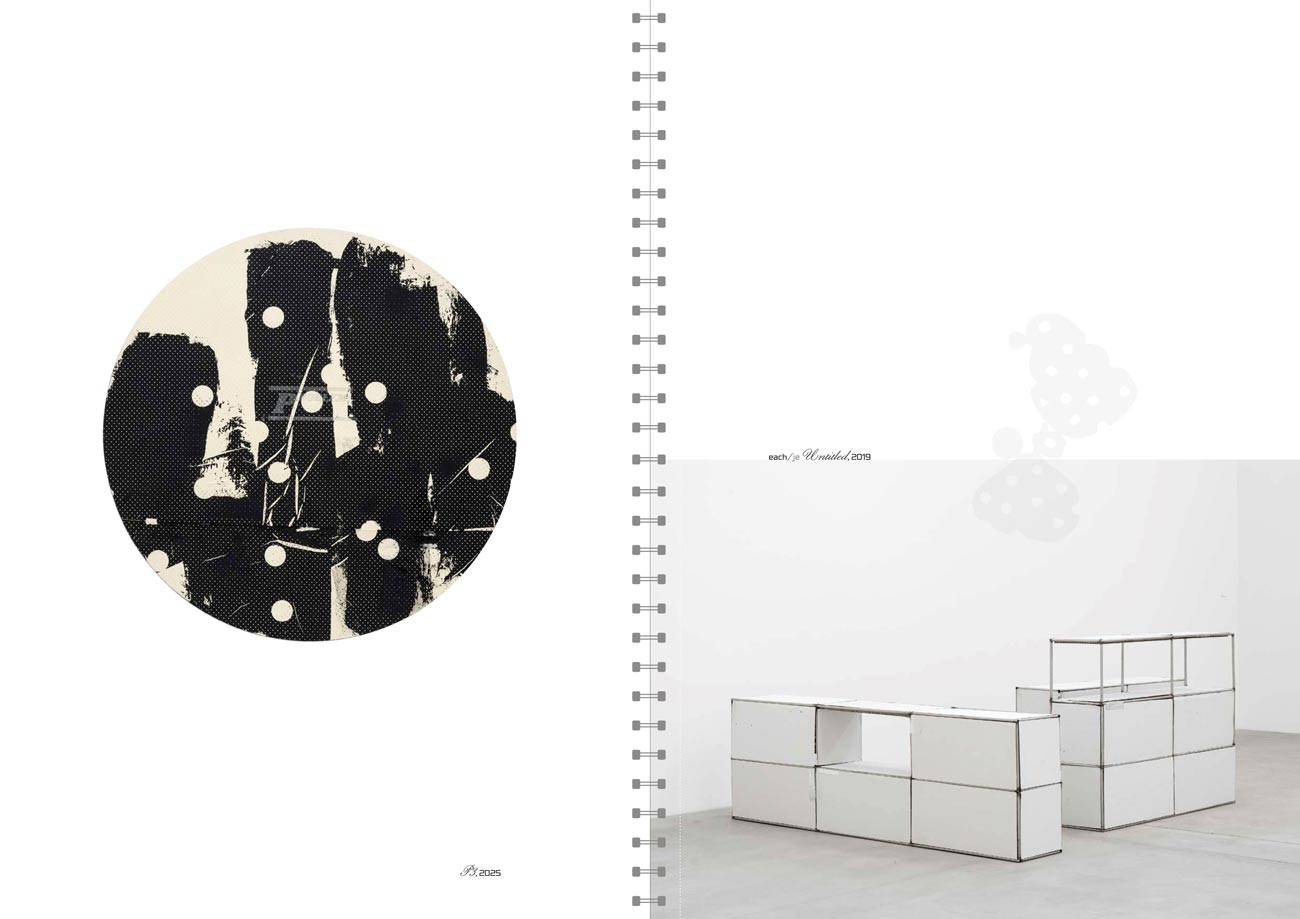
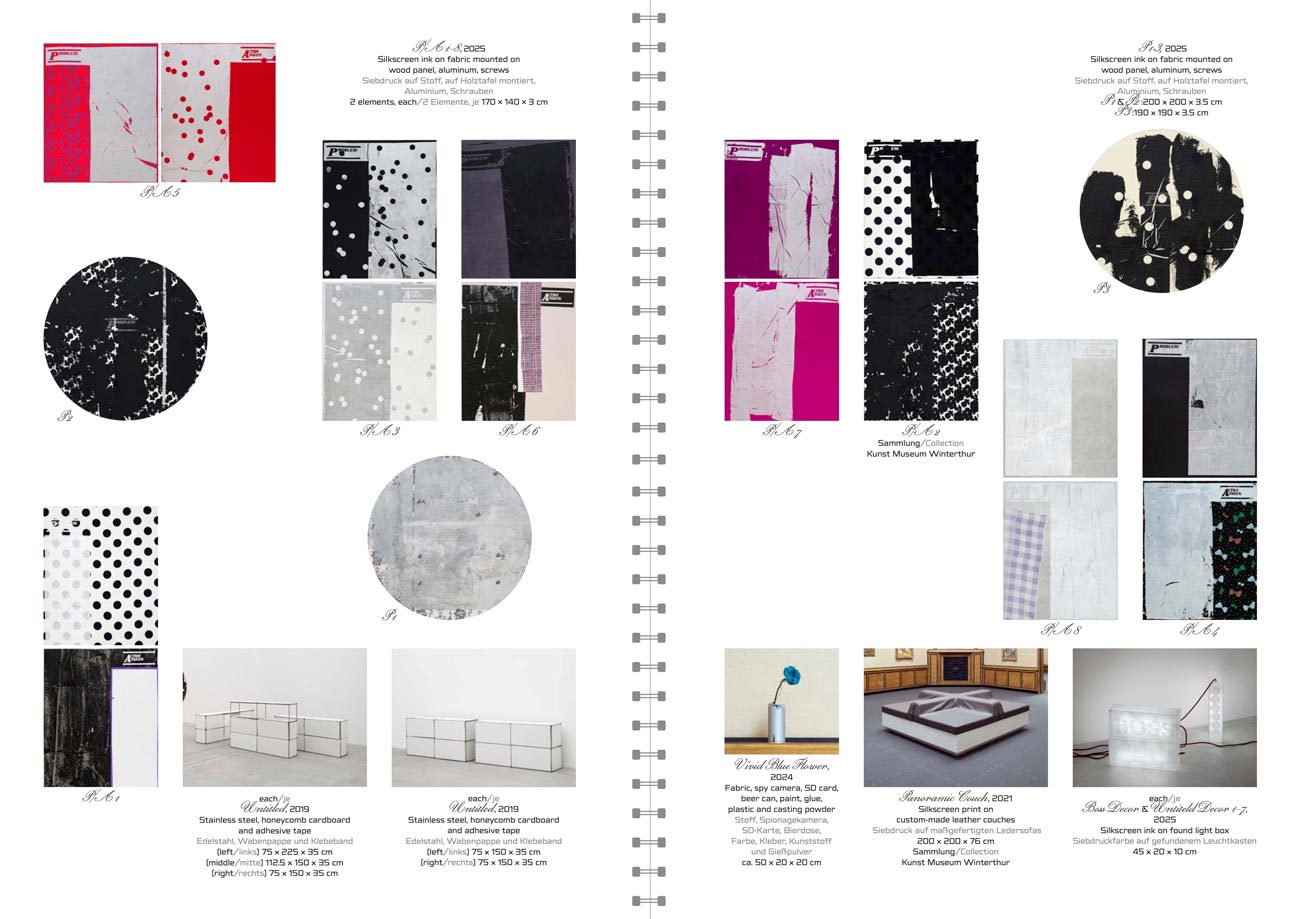
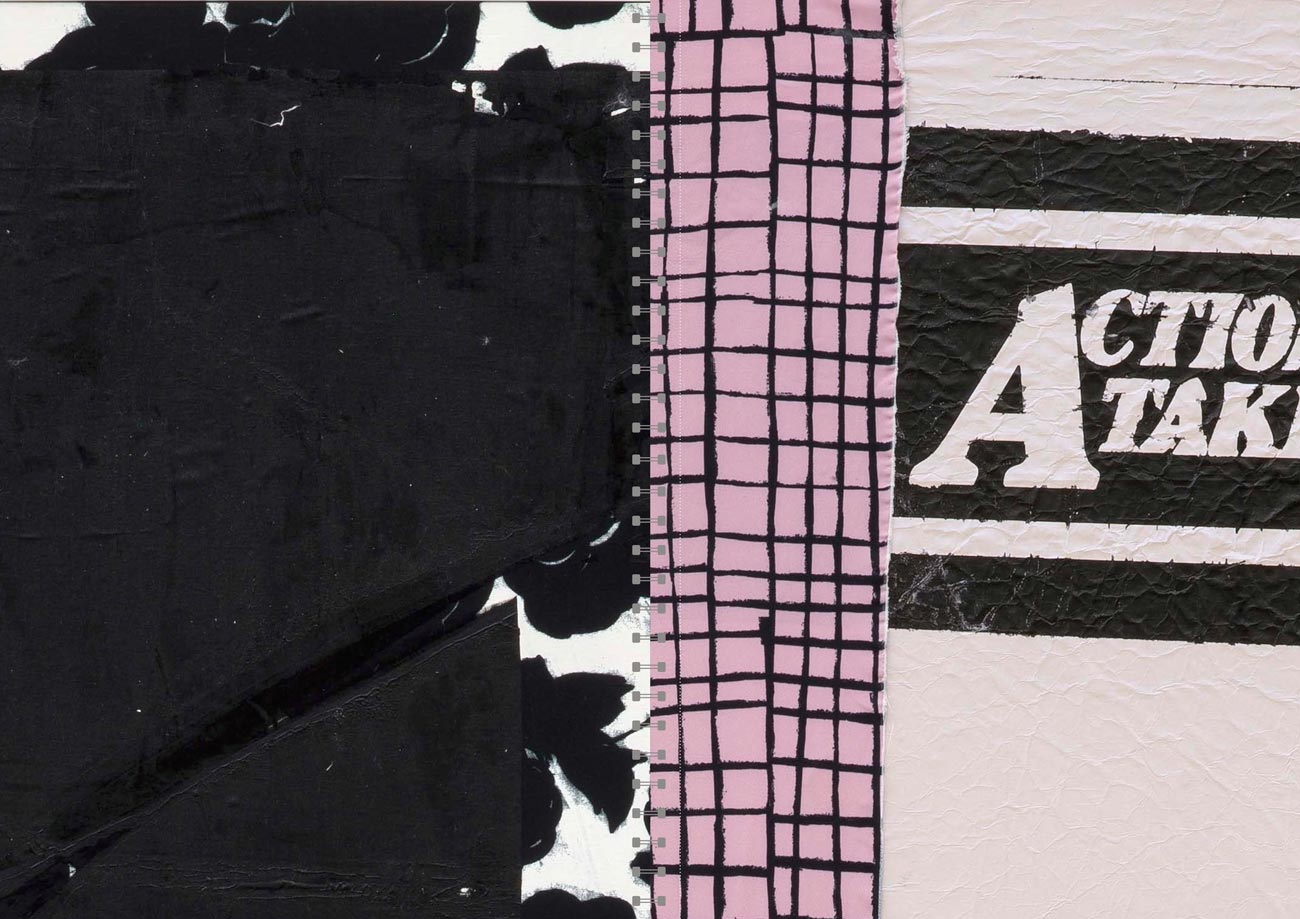
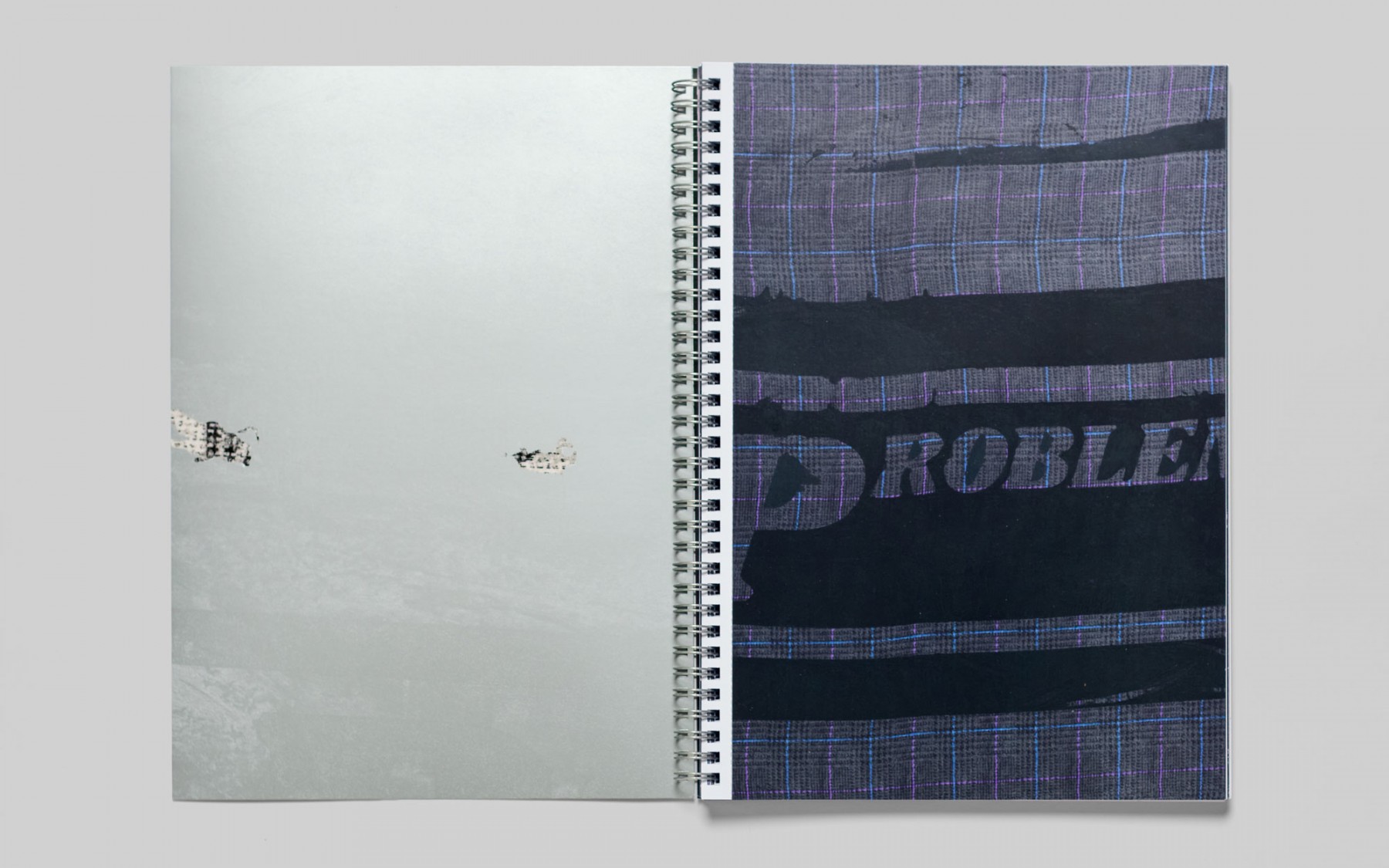
In her 2025 exhibition at Kunst Museum Winterthur, How About Another Problem?, Longhi elaborates these concerns through works that respond directly to the museum’s architecture. Screen-printed panels featuring abstracted flowers pierced by camera-lens motifs evoke the surveillance-driven visual culture shaping contemporary life. Meanwhile, elements resembling furniture or functional fixtures introduce a tension between utility and display, complicating expectations of refinement and production value. Irregularities—misalignments, visible joins, uneven prints—are deliberately preserved, foregrounding the labor behind objects typically associated with industrial perfection and consumer polish.
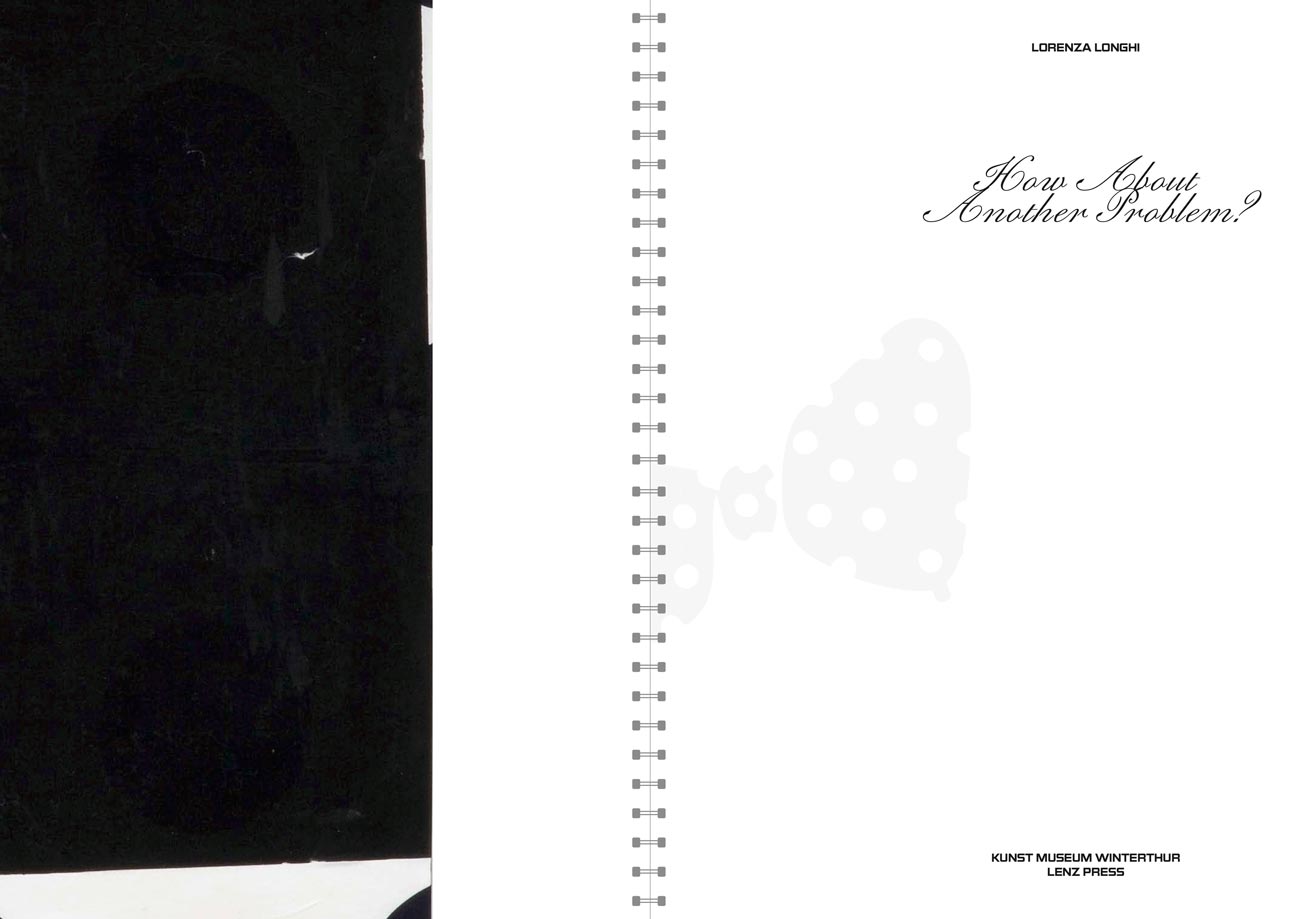
Longhi’s new spiral-bound catalogue echoes her longstanding interest in modest, industrially inflected production formats. By adopting a format associated with prototypes, manuals, or working documents, the catalogue positions itself as an active tool rather than a luxury object—extending Longhi’s ongoing examination of value, functionality, and the aesthetics of the everyday.