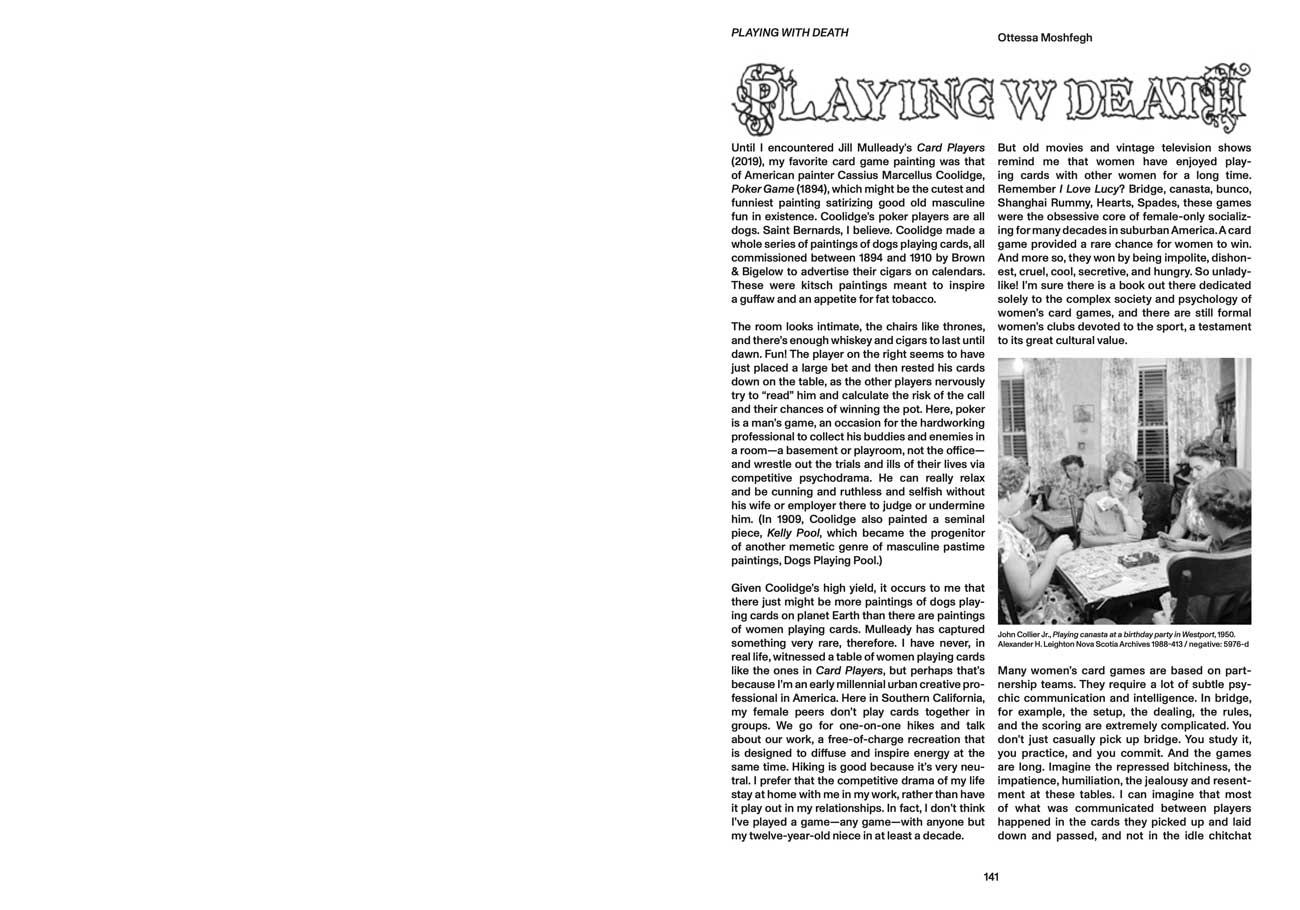
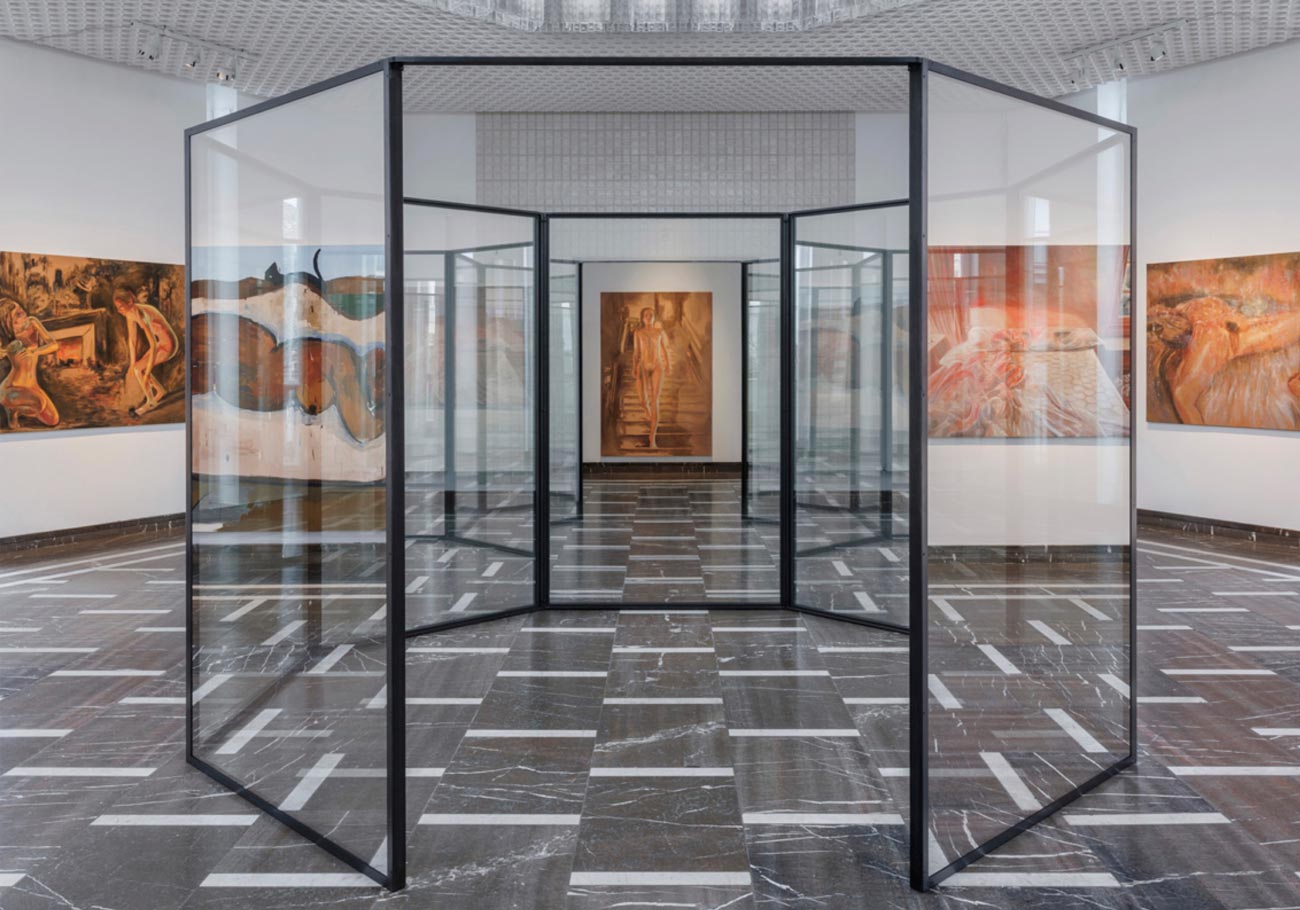
Between an artist’s book and a catalogue, this publication follows up on Armleder’s multidimensional exhibition at KANAL in 2020–21. Through archival pictures and in depth conversations, the book is designed to recreate the immersive experience of this collective experiment, and proposes a dive into something akin to a large self-portrait, conceived through the works of more than a hundred artists.
This artist’s book reflects Eva & Franco Mattes’ continued interest in the condition of displacement to be sensed in Fukushima. Borrowing the format of wrapping-paper catalogs, it contains twenty large pre-perforated sheets, each of which features a photographic texture—a seamlessly repeating motif captured by the camera amid the radioactive ruins of the contaminated towns and countryside.
The album brings together the music composed by Federico Chiari for various film and video works by Diego Marcon, including Monelle (2017), Ludwig (2018), The Parents’ Room (2021), and Dolle (2023). The album comes with a booklet containing lyrics and images that provide a deeper insight into this unique, profoundly intertwined collaboration between Chiari and Marcon.
This small anthology reviews some of the central themes of Diego Marcon’s research: from the role of the display in exhibitions to his relationship with cinema, from the use of special effects and animatronics to the sense of community established through his work. Glassa accompanies the exhibition of the same name designed by the artist for the spaces of the Centro per l’arte contemporanea Luigi Pecci in Prato.
Strata raccoglie 37 conversazioni con artisti il cui lavoro ha dato un contributo significativo alla scena artistica italiana e internazionale a partire dal 2000. Questo libro è il resoconto personale di una serie di incontri, amicizie e relazioni professionali che Vincenzo de Bellis e Alessandro Rabottini hanno coltivato negli ultimi vent’anni.
Strata compiles 37 conversations with artists whose work has made a significant contribution to the Italian and international art scene since 2000. This book is the personal account of a number of encounters, friendships, and professional relationships that Vincenzo de Bellis and Alessandro Rabottini have nurtured over the past twenty years.
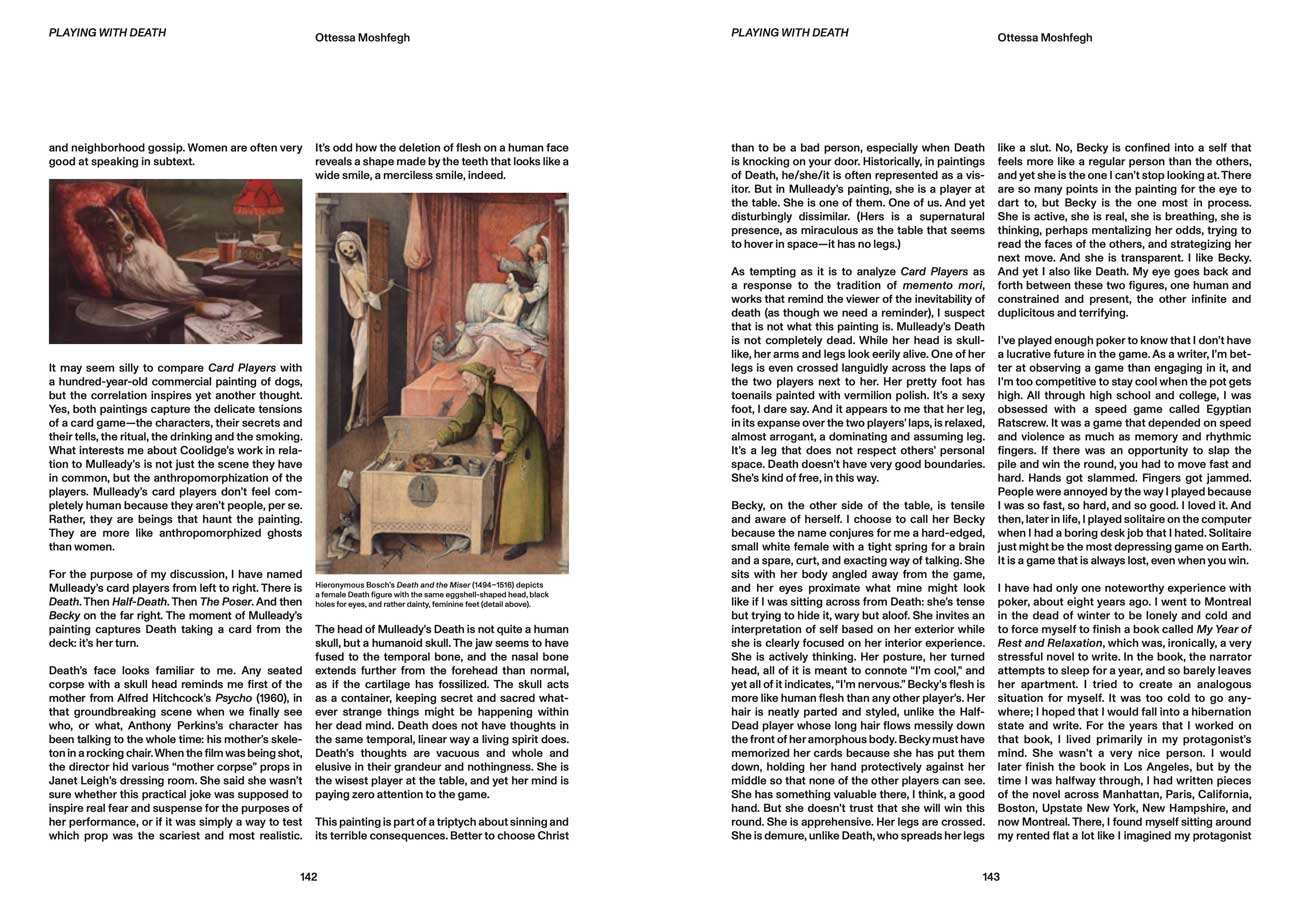
Edited by Alison Coplan and Laura McLean-Ferris
Texts by Laura McLean-Ferris, Ottessa Moshfegh, Michael Taussig
Designed by Pacific
2025, English, hardcover, 28.5 x 20.5 cm, 216 pages
ISBN 979-12-80579-60-7
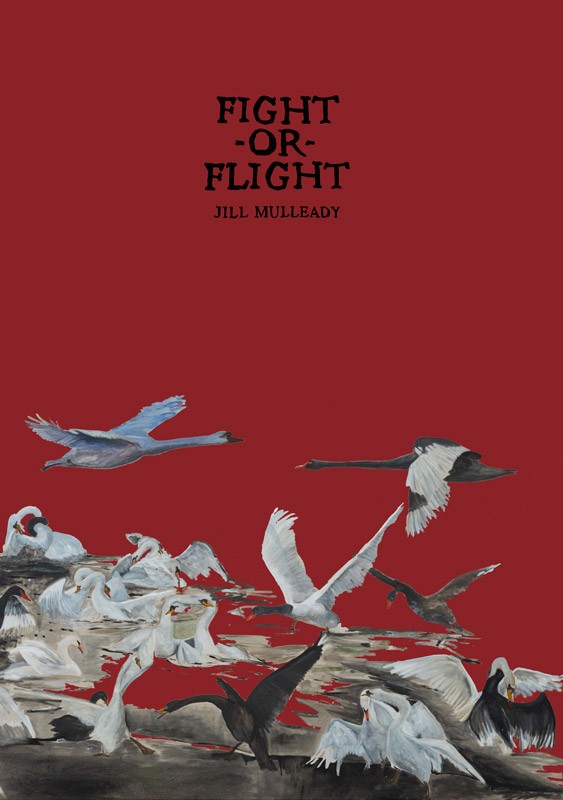
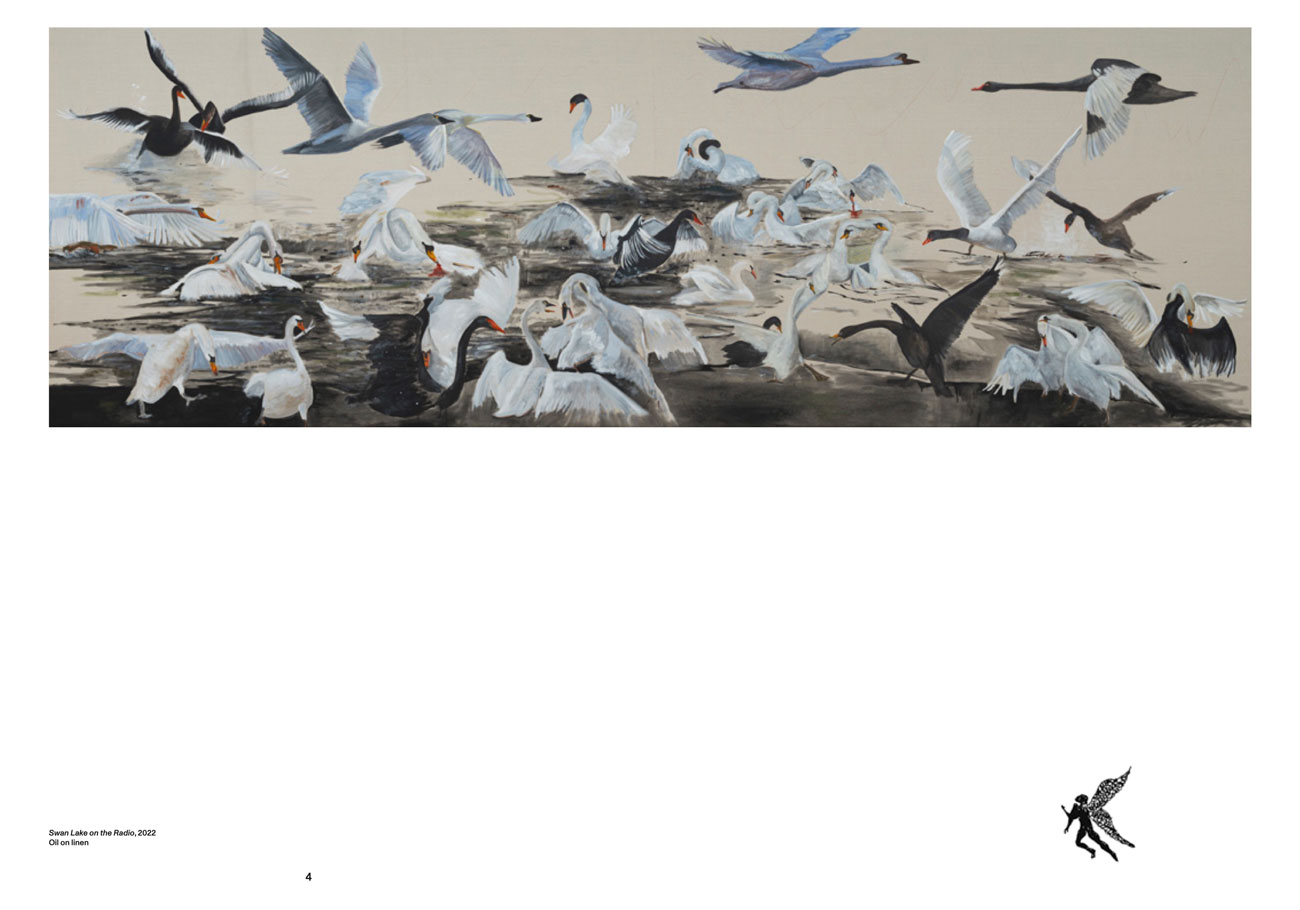
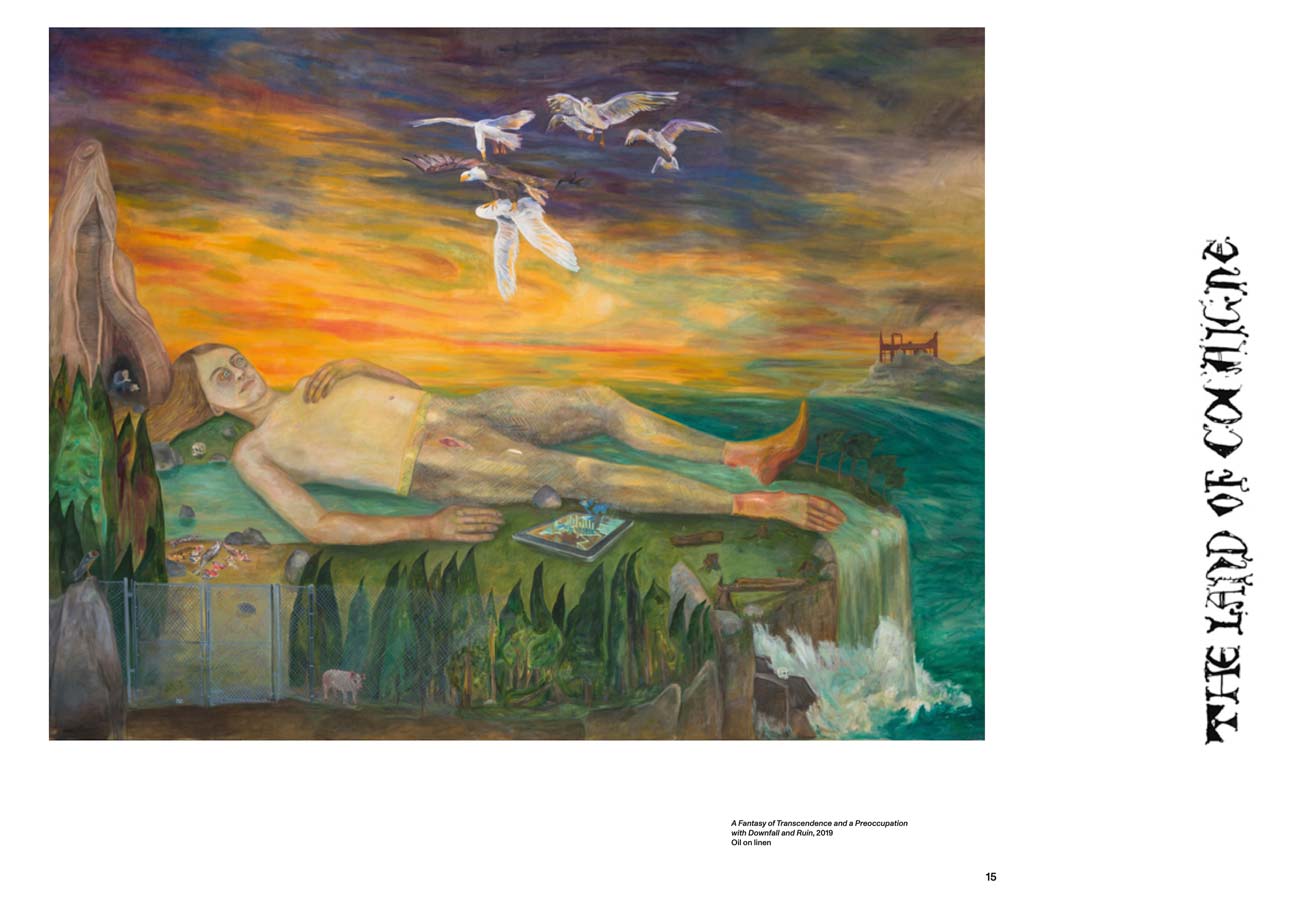
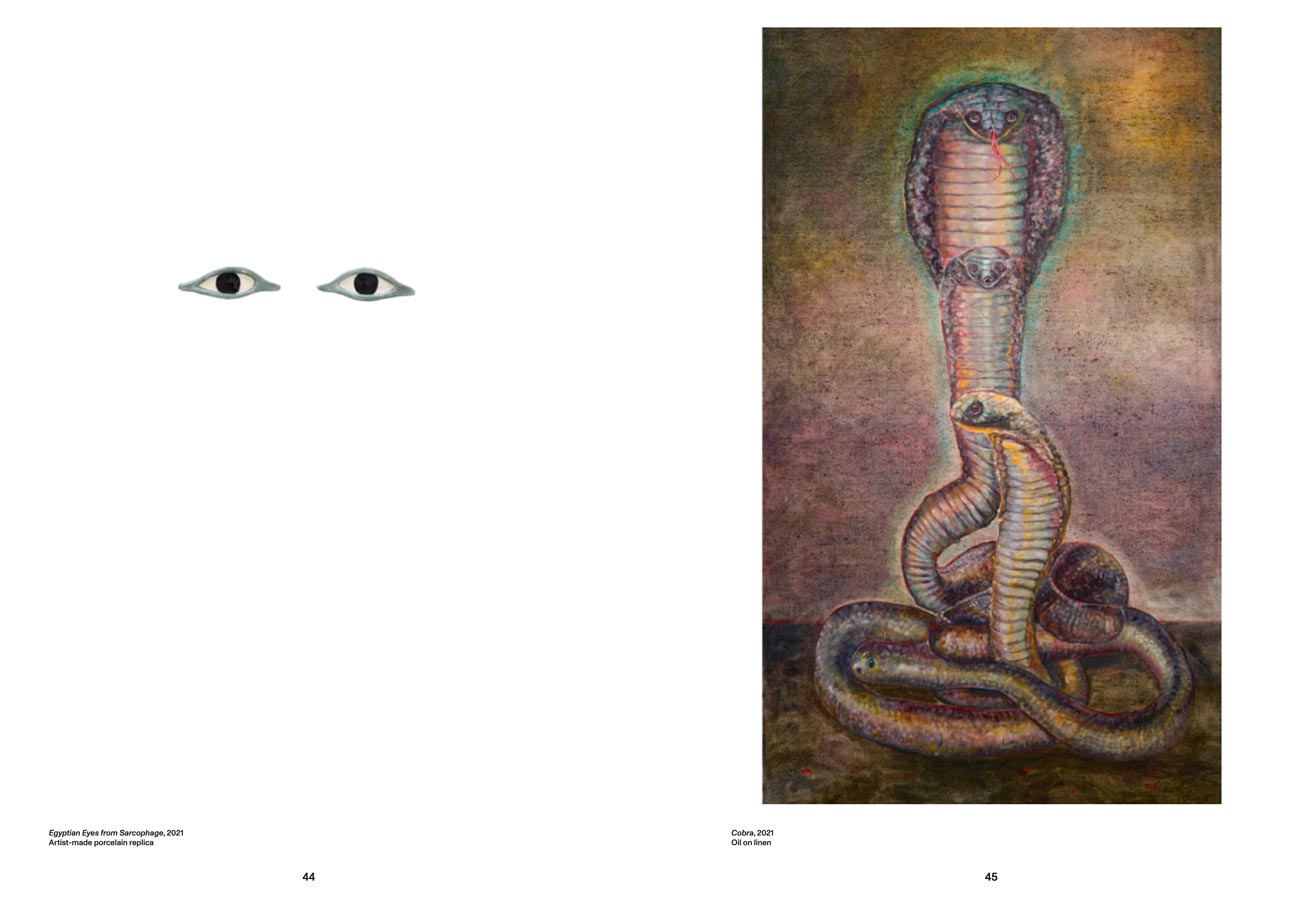
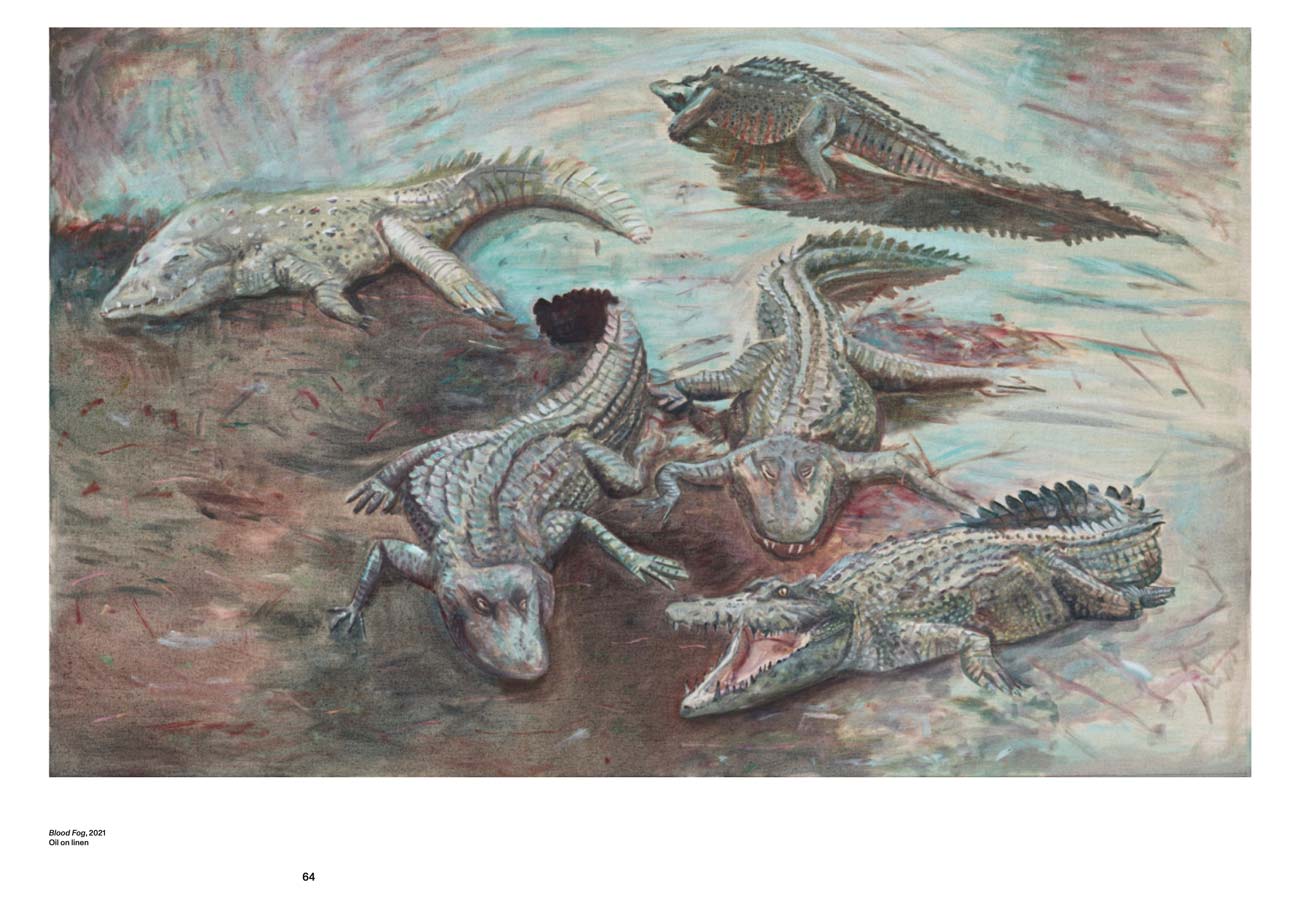
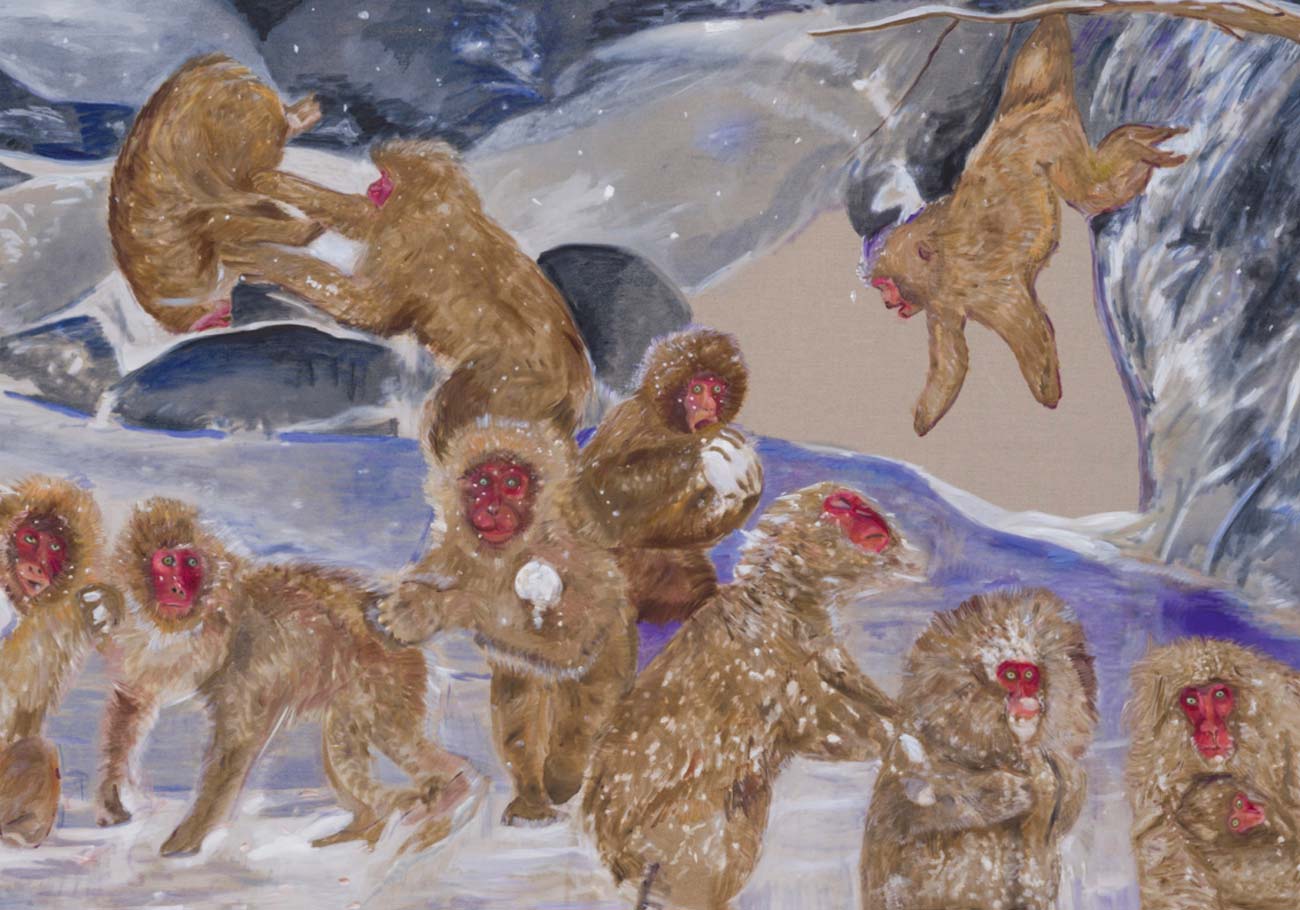
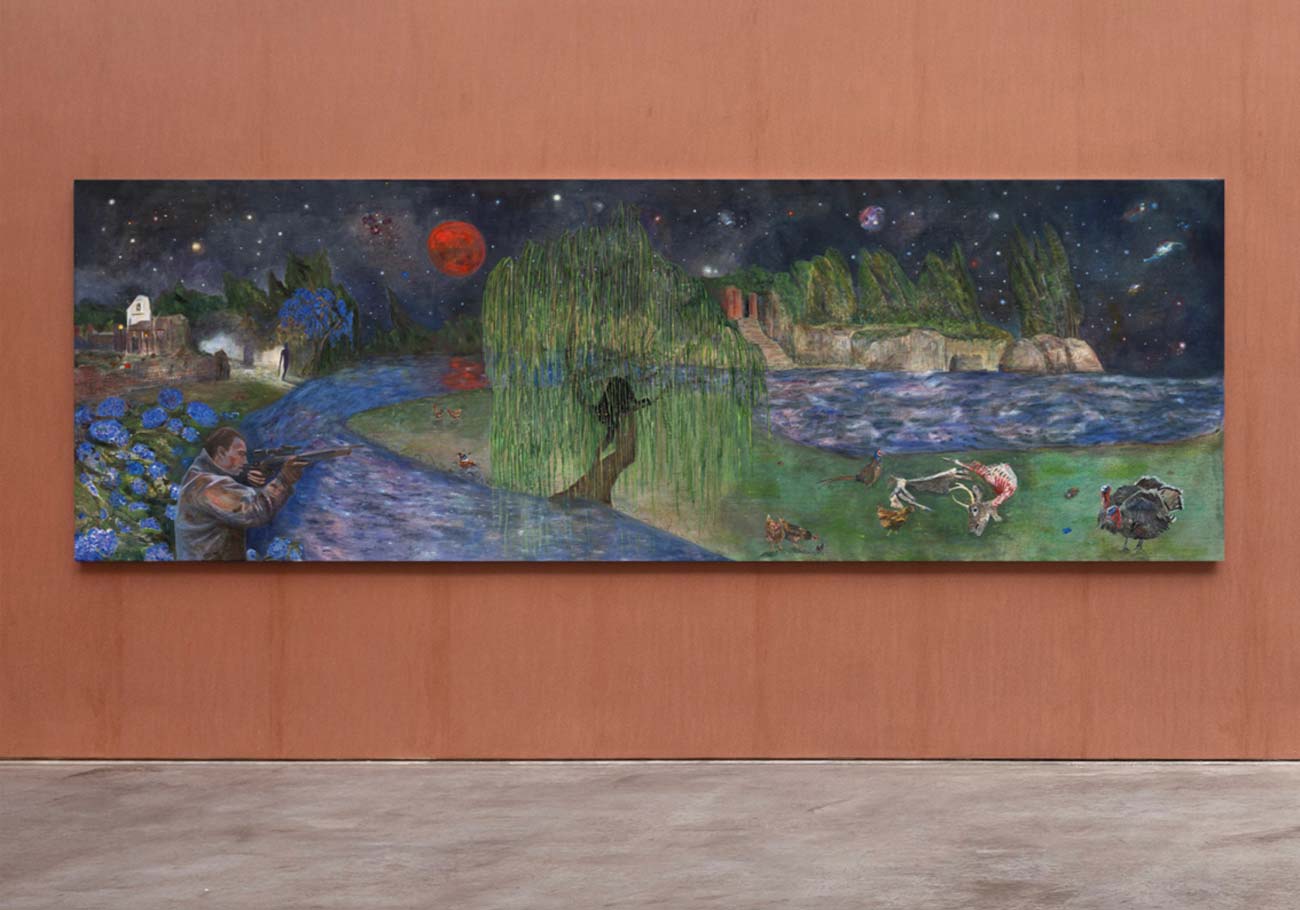
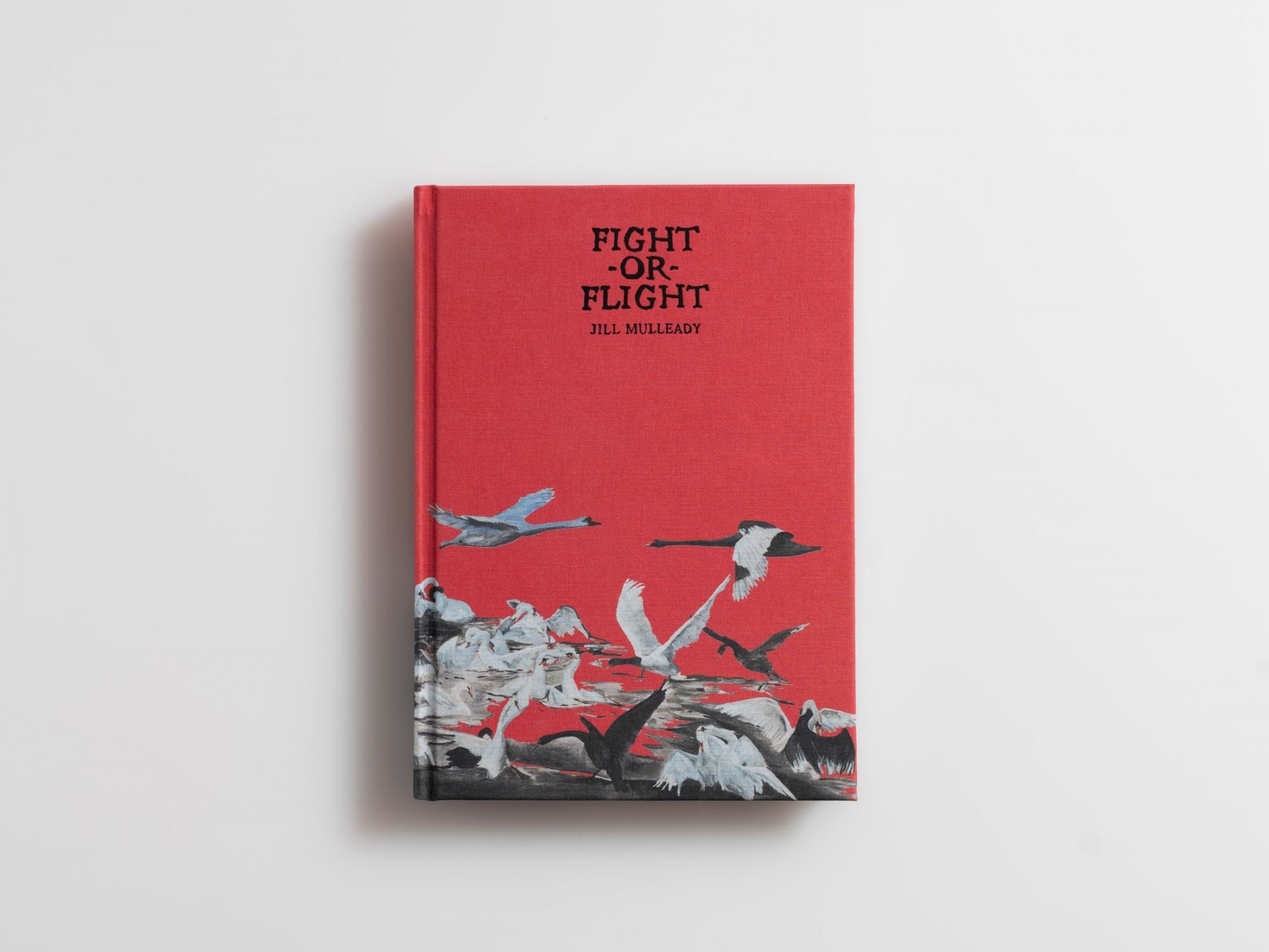
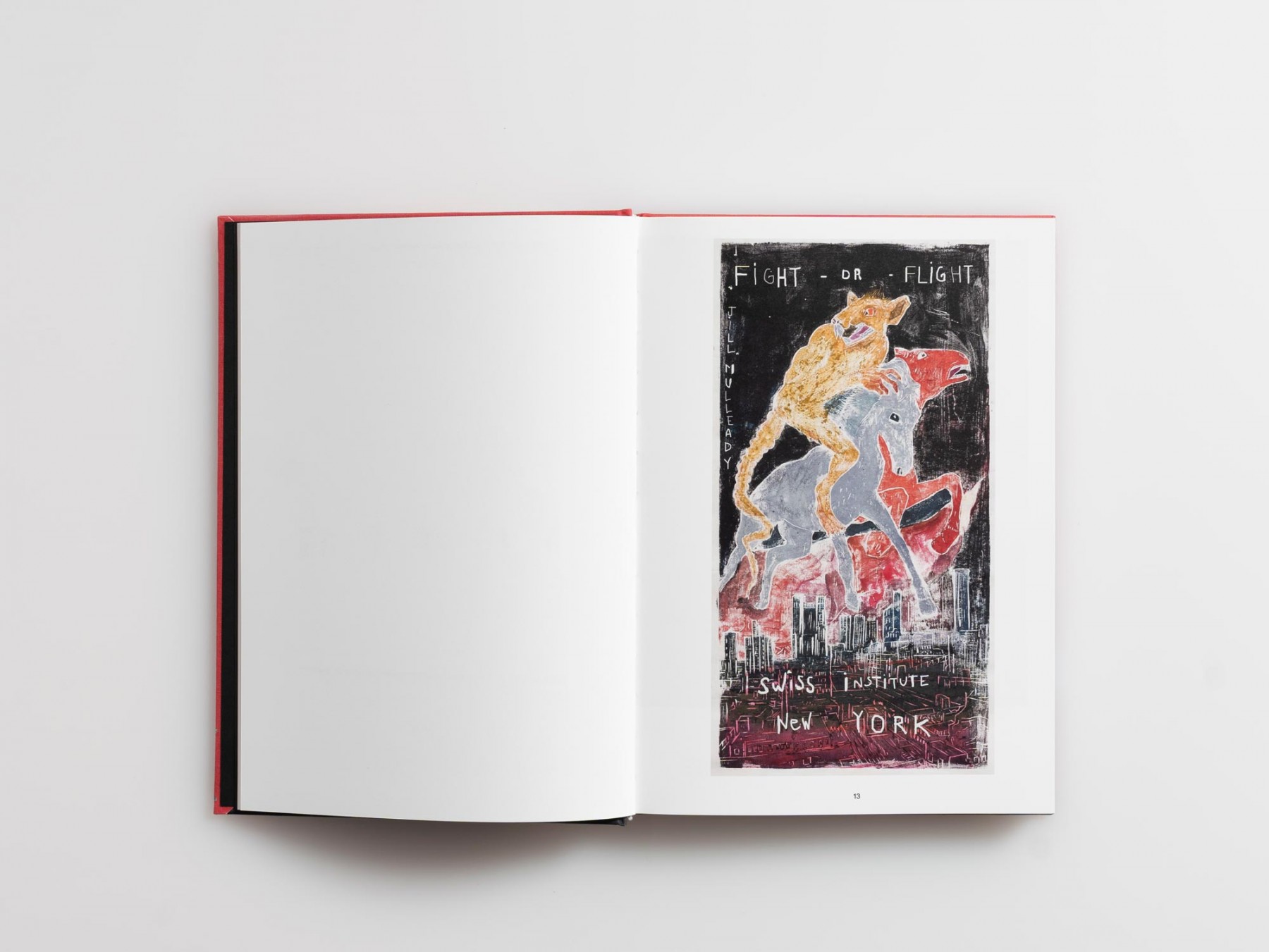
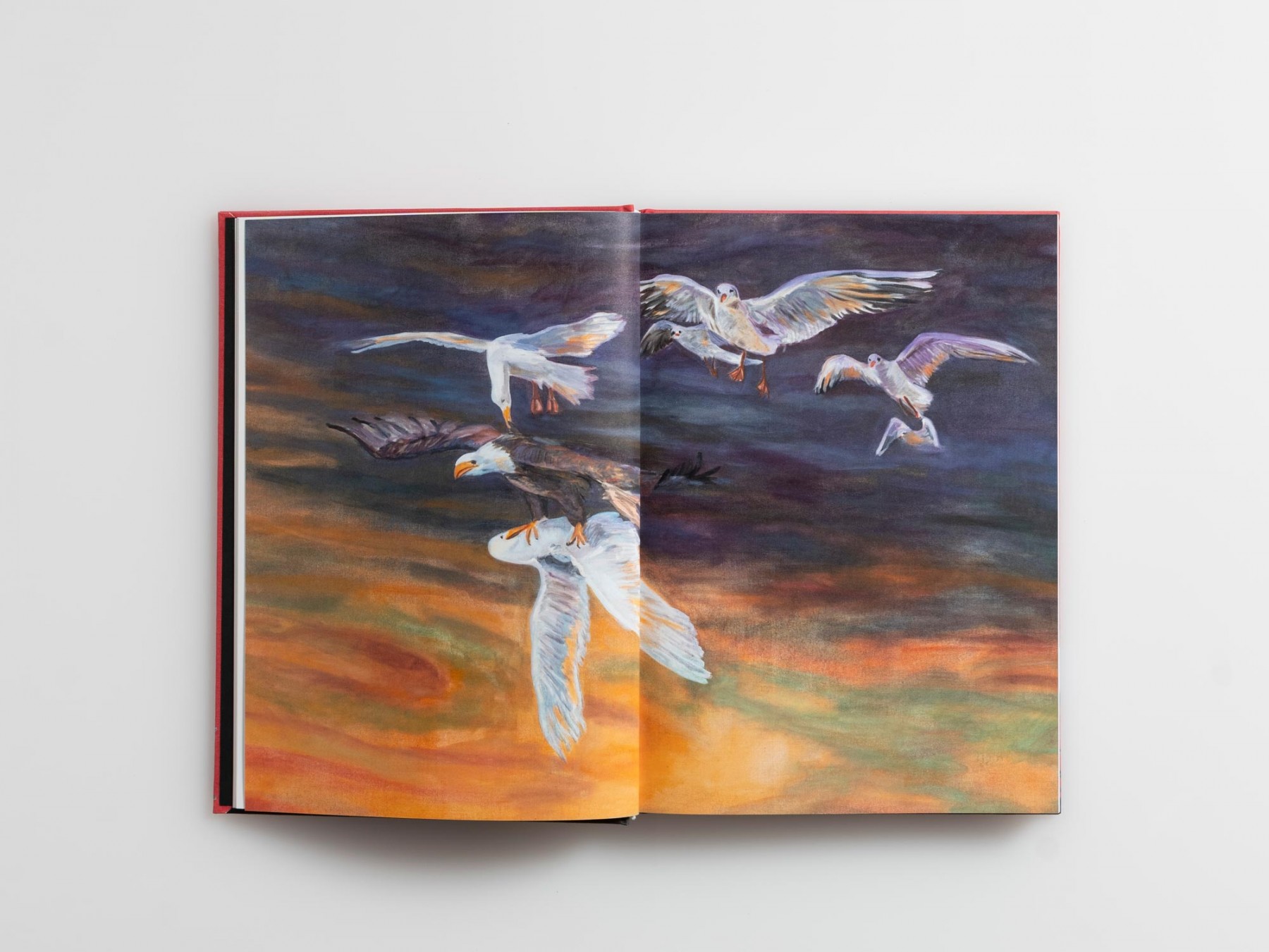
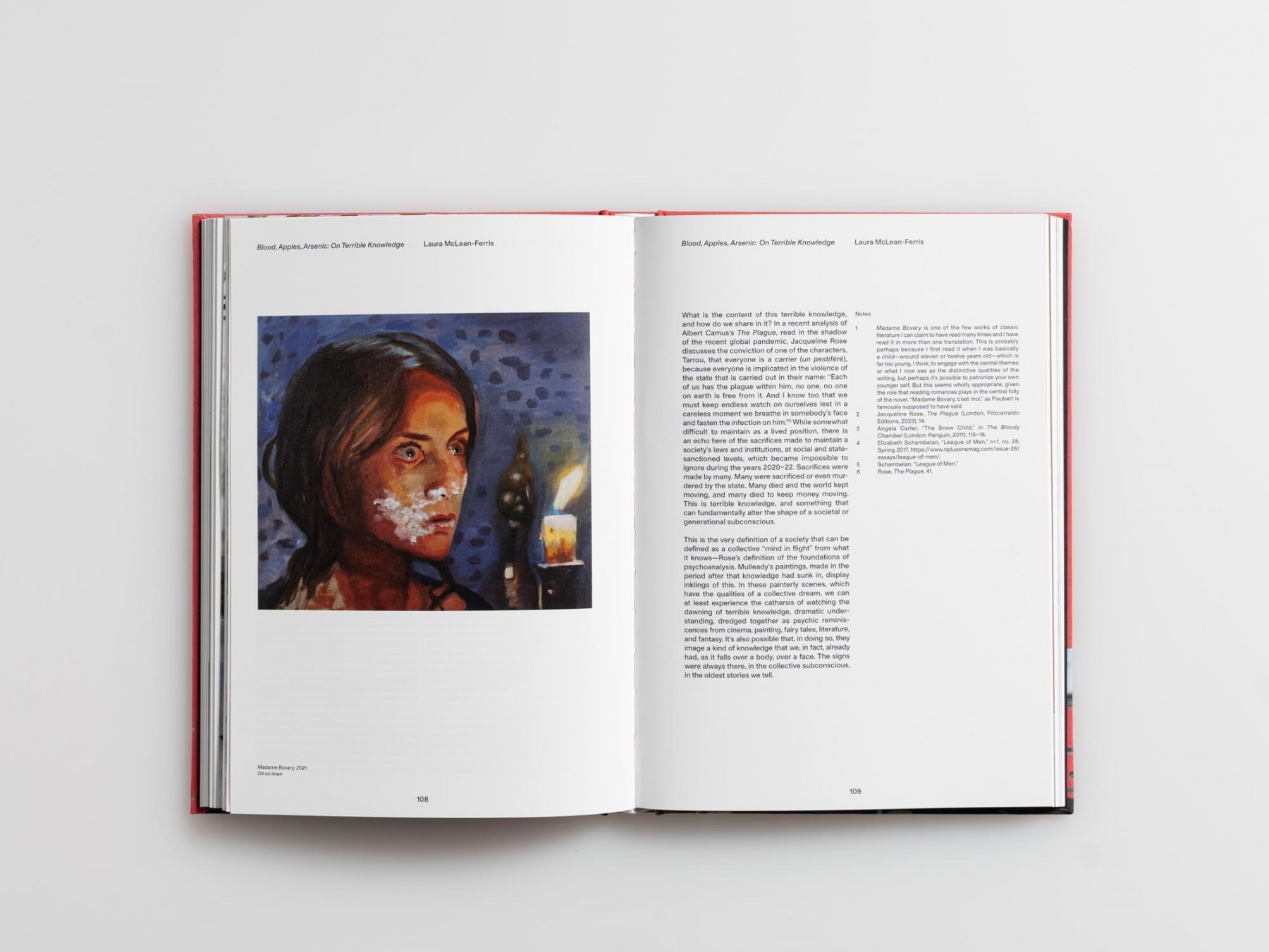
In the paintings and woodcuts of artist Jill Mulleady (b. 1980 in Montevideo, lives between Paris and Los Angeles), characters enact the physiological stress reactions of “fight or flight”: either adopting extreme or violent survival methods, or retreating into isolation. Mulleady’s work roots out fantasies, motivations and fears in order to depict a landscape of polarization and crisis. Ancient mythologies and recent histories are reanimated in her feverish work with an enduring, twisted force. And yet, opposed and extreme, the figures and scenes featured also point to futures in which beings are pushed into marginal spaces, suggesting an ominous threat at civilization’s center.
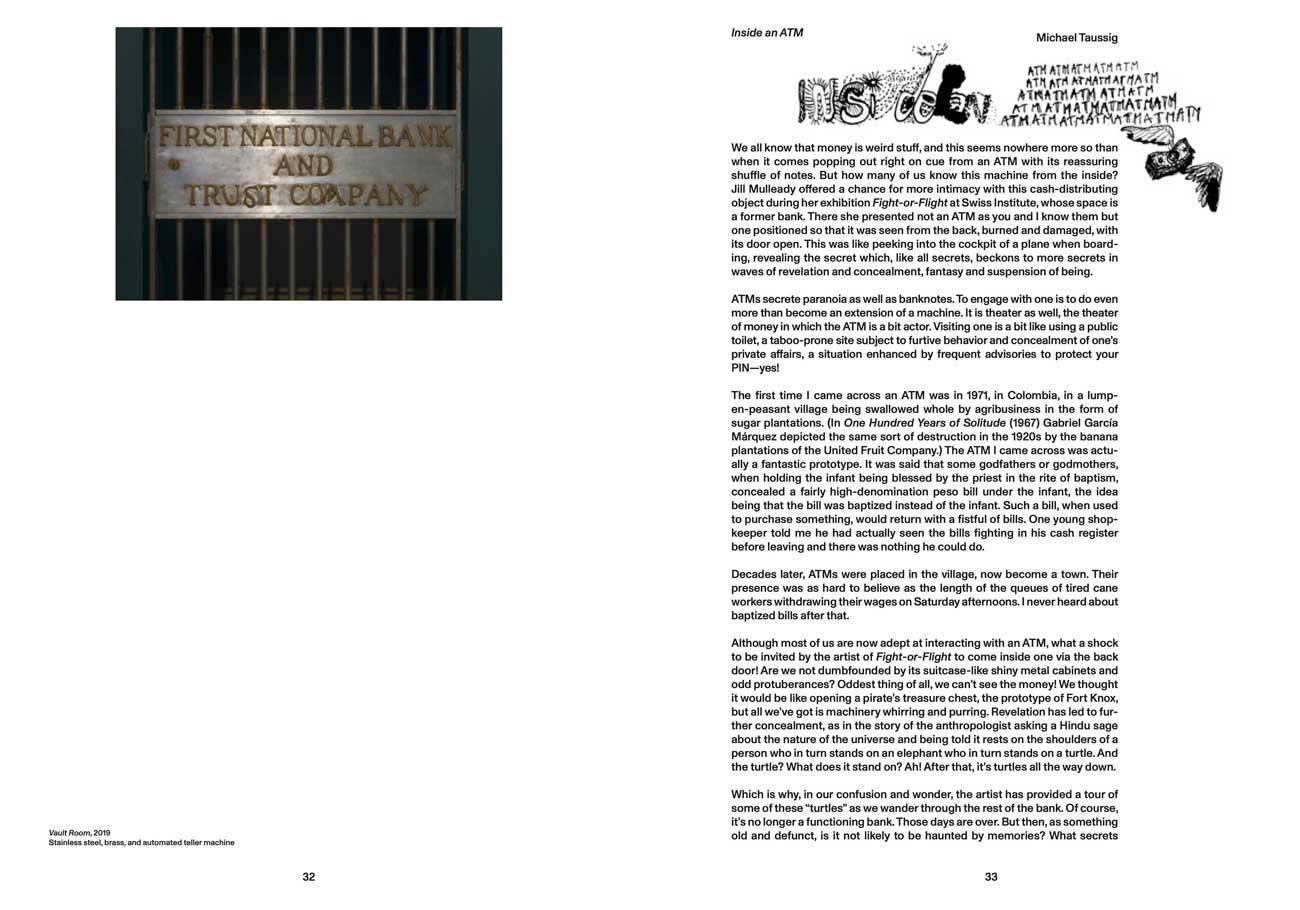
Fight-or-Flight is the first major monograph on Jill Mulleady, surveying her artistic output over the last 10 years. It features newly commissioned essays by curator Laura McLean-Ferris, author Ottessa Moshfegh and anthropologist Michael Taussig, and a conversation between Mosfegh and Mulleady.