This is a visual archive of 12 years of developing, designing and exhibiting the House of One, a multireligious sacred space in the heart of Berlin. The architecture, conceived by Kuehn Malvezzi, has been displayed at various venues while being developed in close collaboration with three local religious communities in Berlin since 2012.
The first major monograph on artist Jill Mulleady, whose paintings thread motifs of decay, memory, history, and private myth, featuring humans and animals enacting their instinctive psychological reactions to ever-present threats of danger.
The essays in this first-ever monograph dedicated to Swiss artist Jan Vorisek, alongside image portfolios of the exhibitions they explore and an appendix that features photos and documentation of Vorisek’s performances, recordings and ephemera, grant us unprecedented access to the private fictions that the work reveals.
Since the 1990s Costa has been challenging hierarchies of art production and the fetishization of the “finished” artwork, inviting viewers to reconsider what is discarded, both materially and socially. Through over 300 artworks, accompanied by new writing, this catalogue explores Adriano Costa’s work, a meditation on transformation—of objects, meanings, and systems of value.
This richly illustrated book considers the dazzling oeuvre of choreographer and dancer Marlene Monteiro Freitas. In line with her creative methodology, Alexandra Balona unfolds an “atlas of affects” through five emblematic dance pieces that reveal the intensity, humor, and humanity of one of today’s most radical choreographic voices.
Invited to present an exhibition at the Galleria Borghese in Rome, Kenyan-American artist Wangechi Mutu has developed an innovative approach to museum space, challenging hierarchy, permanence, and fixed meanings. With in-depth essays and a rich selection of illustrations, this catalog retraces that exhibition and explores the themes and concerns that have long characterized the artist’s practice.
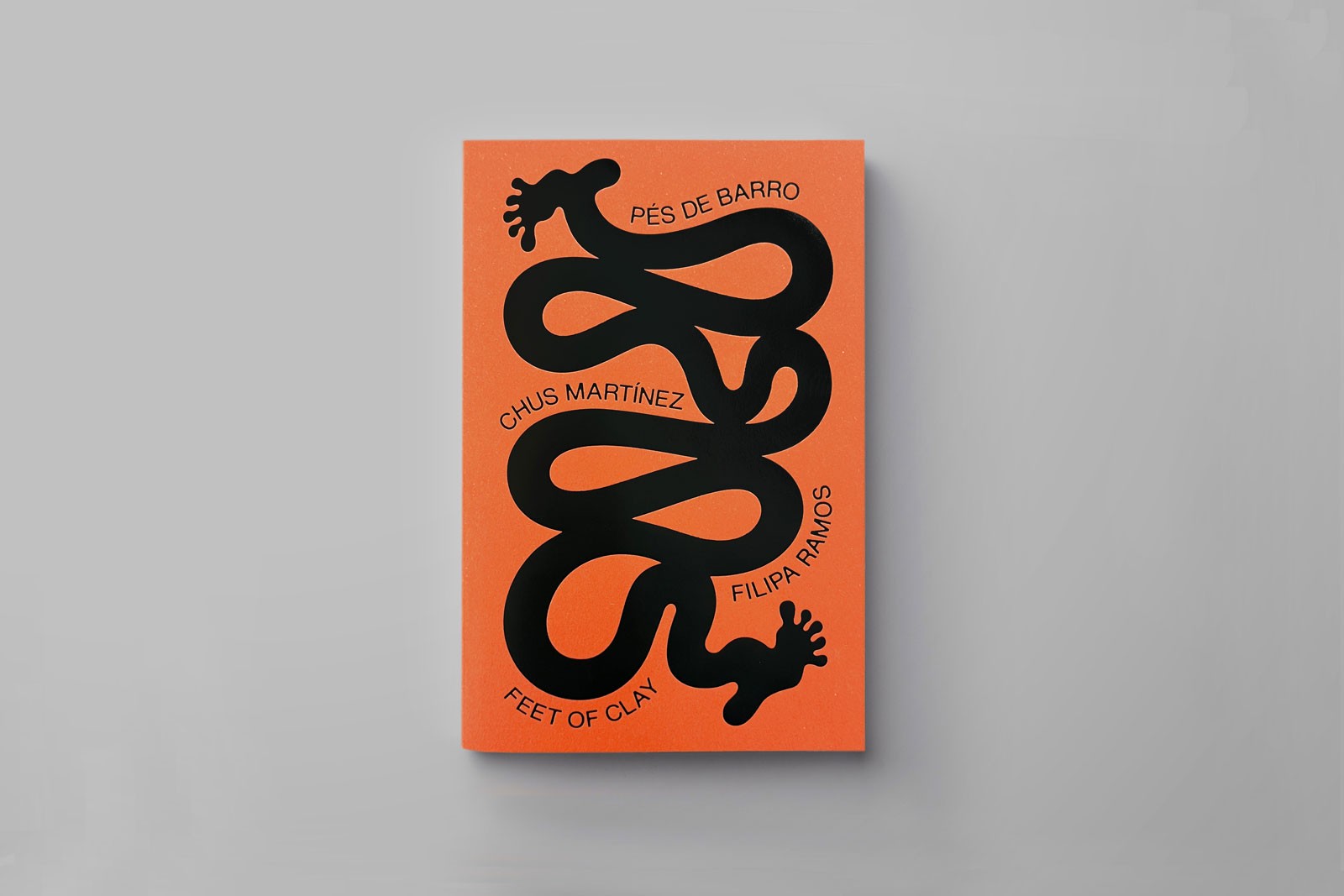
Edited by Chus Martínez and Filipa Ramos
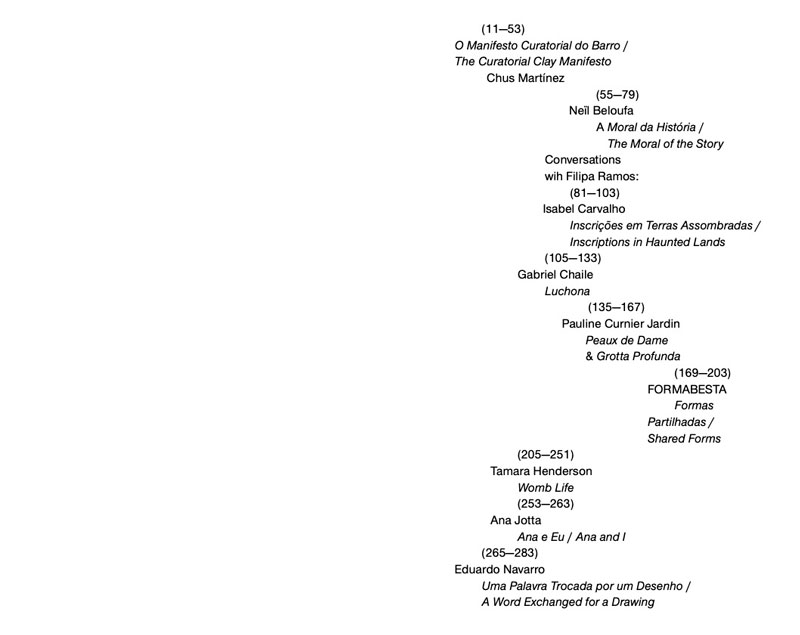
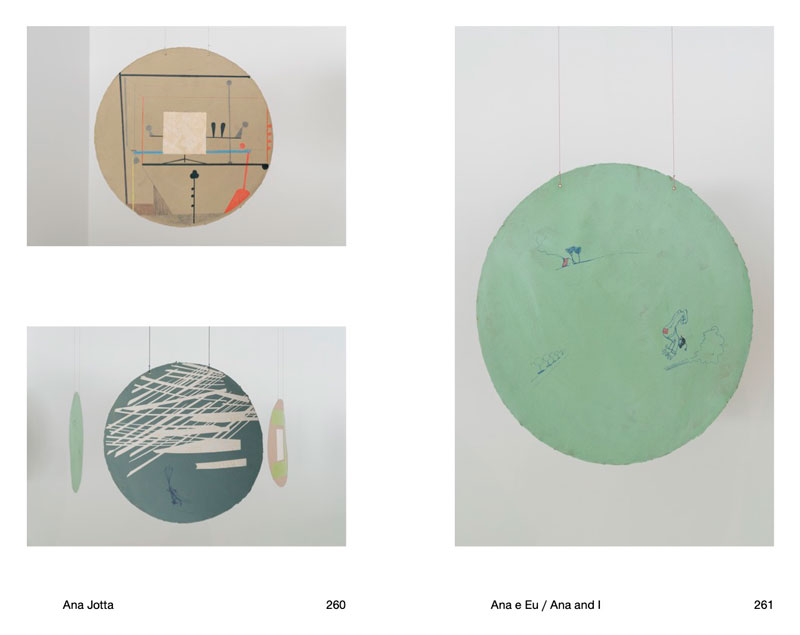
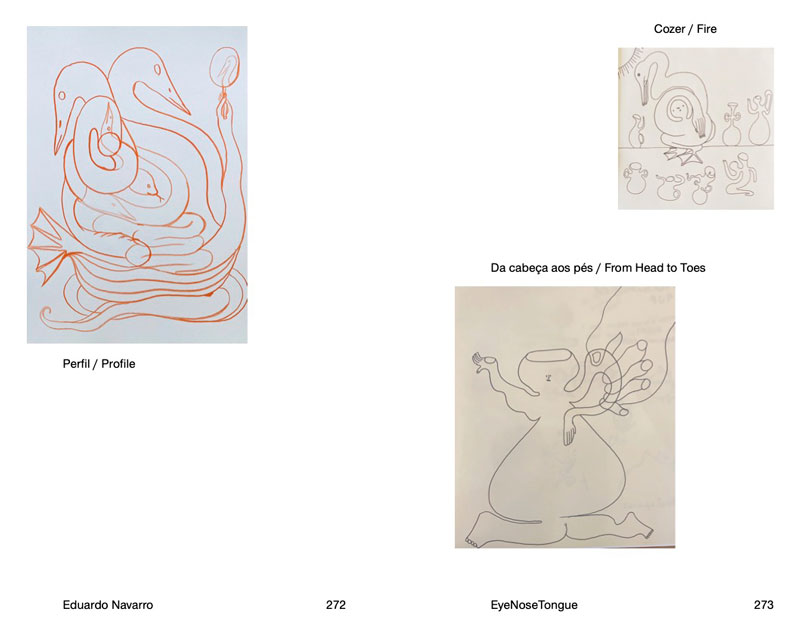
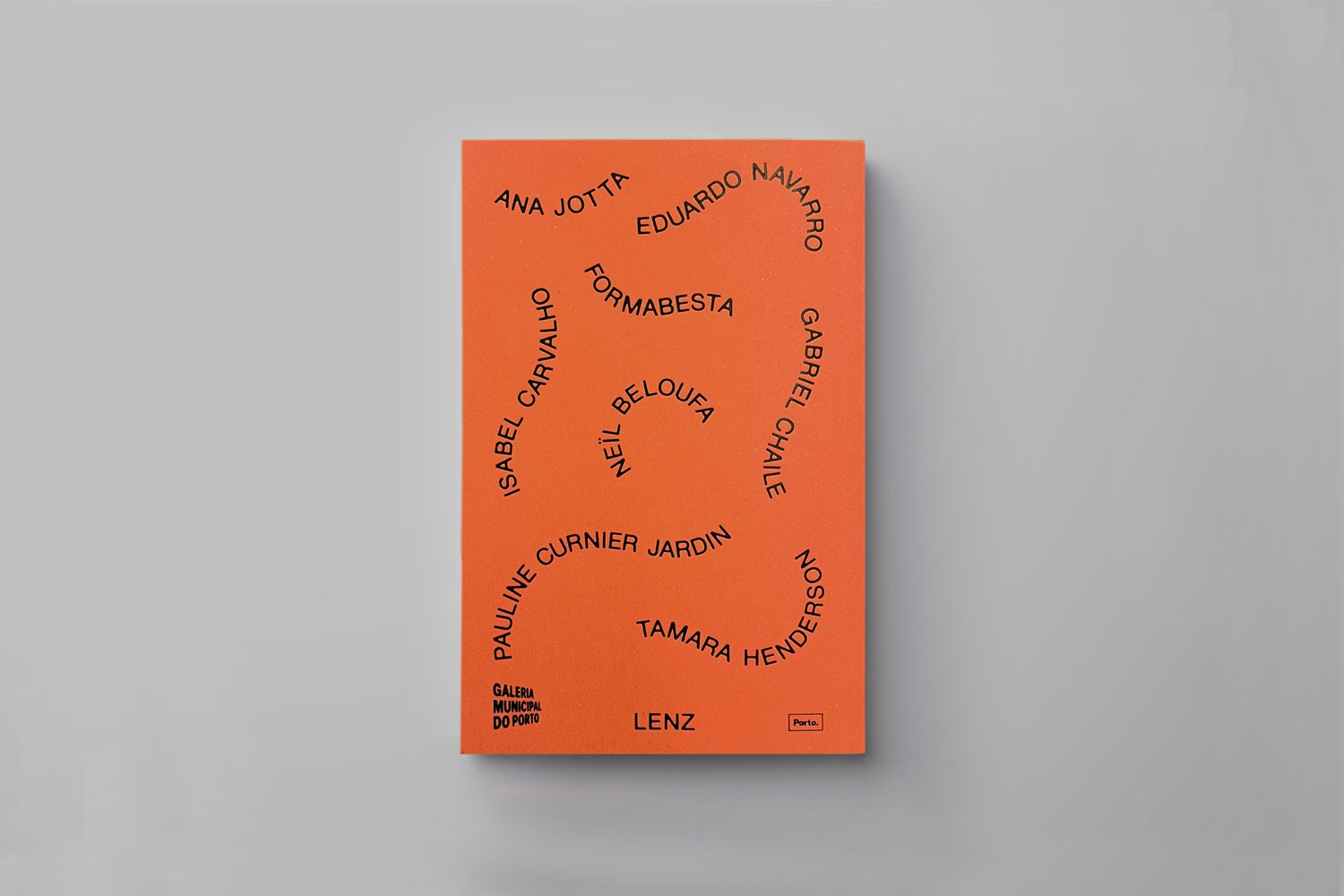
Texts by Neïl Beloufa, Isabel Carvalho, Gabriel Chaile, Pauline Curnier Jardin, Formabesta (Salvador e Juan Cidrás), Tamara Henderson, Ana Jotta, Chus Martínez, Eduardo Navarro, and Filipa Ramos
Design by Ana Dominguez Studio
2023, English / Portuguese, softcover, 11.2 X 17.8 cm, 288 pages
ISBN: 979-12-80579-50-8
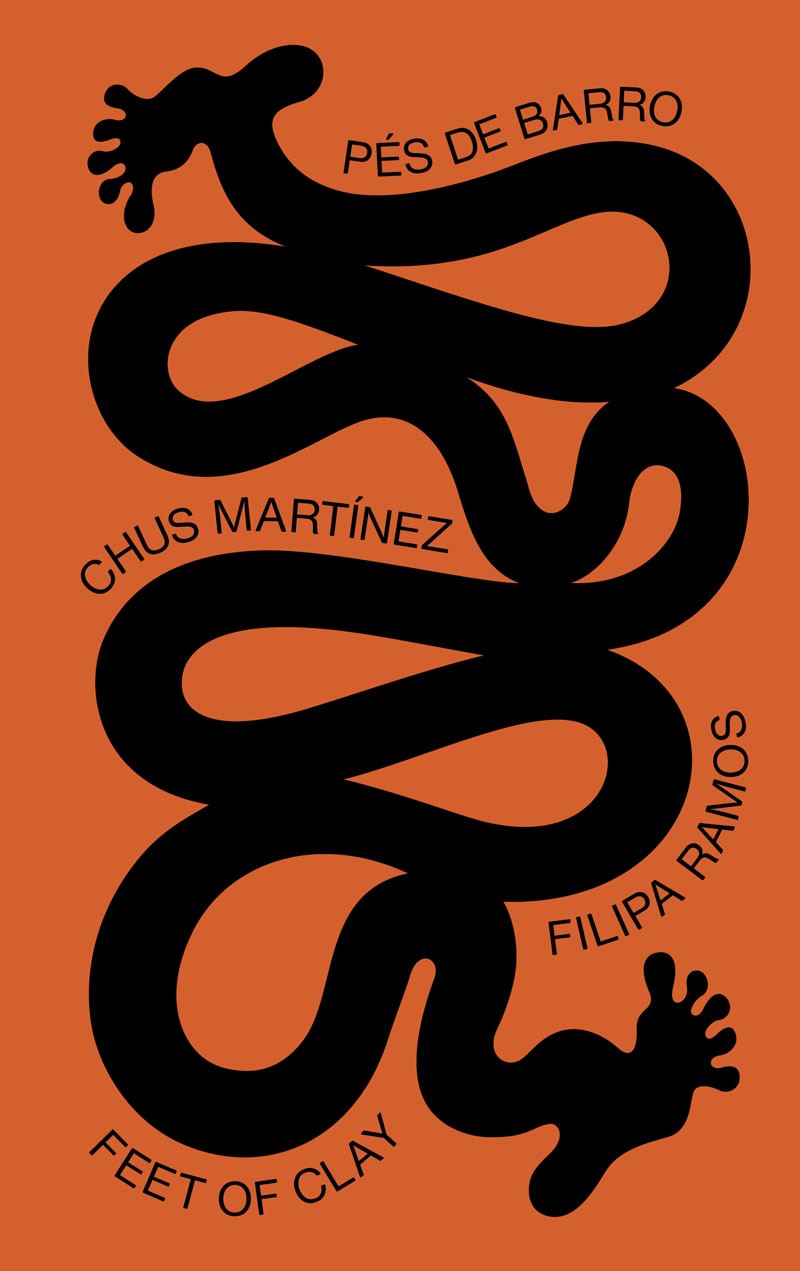
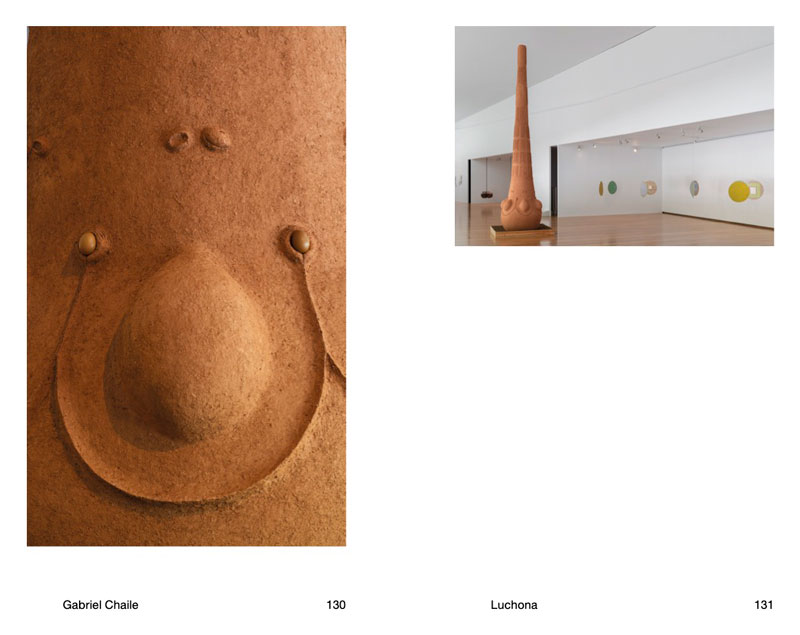
Some may associate clay, pottery and ceramics to tradition, and tradition to the past. Some may associate technology, digital communication and data with the new, and the new with the future. What if the future is only a technology as old and unusual as clay? What if clay is a matter that renews itself constantly and gives time its unpredictable configurations?
What if clay is the future and the future is clay? And if the feet of clay only reveal a vulnerability because the rest of the body is made of a different material? And if the feet of clay are actually rooting people to the earth, connecting them through the same matter? And if feet of clay are a way to establish a post-technological communication that requires no webs, no networks, no cables; only our many, one, two, eight, twenty feet and some clay?
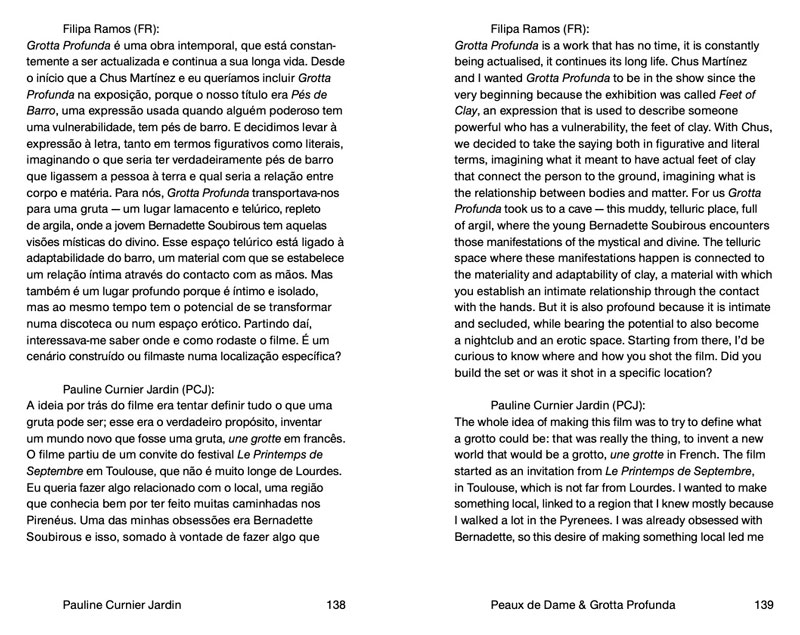
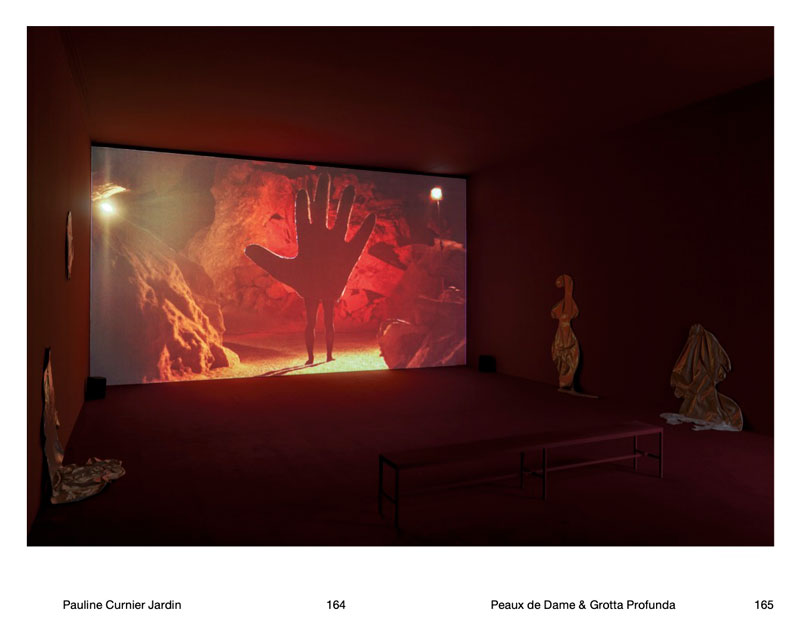
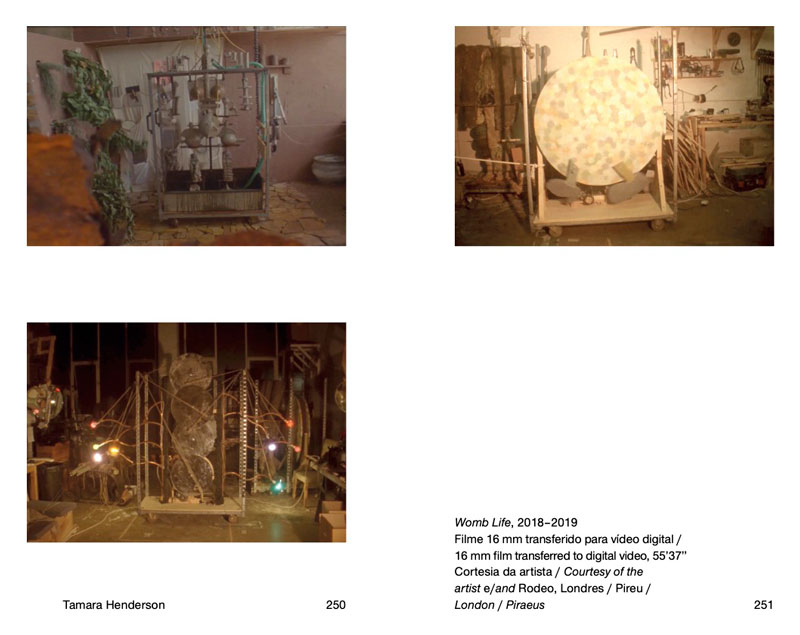
These are some of the questions and enigmas addressed by curators Chus Martínez and Filipa Ramos, who brought together a group of artists who have been using clay, pottery and ceramics in an exhibition entitled Feet of Clay, presented at Galeria Municipal do Porto in 2021. Like clay, the project has now been moulded into book format, bringing together exclusive texts and interviews with the participating artists: Neïl Beloufa, Isabel Carvalho, Gabriel Chaile, Pauline Curnier Jardin, Formabesta (Salvador and Juan Cidrás), Tamara Henderson, Ana Jotta and Eduardo Navarro.
Published with Galeria Municipal do Porto / Ágora - Cultura e Desporto do Porto, E.M.