Between an artist’s book and a catalogue, this publication follows up on Armleder’s multidimensional exhibition at KANAL in 2020–21. Through archival pictures and in depth conversations, the book is designed to recreate the immersive experience of this collective experiment, and proposes a dive into something akin to a large self-portrait, conceived through the works of more than a hundred artists.
This artist’s book reflects Eva & Franco Mattes’ continued interest in the condition of displacement to be sensed in Fukushima. Borrowing the format of wrapping-paper catalogs, it contains twenty large pre-perforated sheets, each of which features a photographic texture—a seamlessly repeating motif captured by the camera amid the radioactive ruins of the contaminated towns and countryside.
The album brings together the music composed by Federico Chiari for various film and video works by Diego Marcon, including Monelle (2017), Ludwig (2018), The Parents’ Room (2021), and Dolle (2023). The album comes with a booklet containing lyrics and images that provide a deeper insight into this unique, profoundly intertwined collaboration between Chiari and Marcon.
This small anthology reviews some of the central themes of Diego Marcon’s research: from the role of the display in exhibitions to his relationship with cinema, from the use of special effects and animatronics to the sense of community established through his work. Glassa accompanies the exhibition of the same name designed by the artist for the spaces of the Centro per l’arte contemporanea Luigi Pecci in Prato.
Strata raccoglie 37 conversazioni con artisti il cui lavoro ha dato un contributo significativo alla scena artistica italiana e internazionale a partire dal 2000. Questo libro è il resoconto personale di una serie di incontri, amicizie e relazioni professionali che Vincenzo de Bellis e Alessandro Rabottini hanno coltivato negli ultimi vent’anni.
Strata compiles 37 conversations with artists whose work has made a significant contribution to the Italian and international art scene since 2000. This book is the personal account of a number of encounters, friendships, and professional relationships that Vincenzo de Bellis and Alessandro Rabottini have nurtured over the past twenty years.
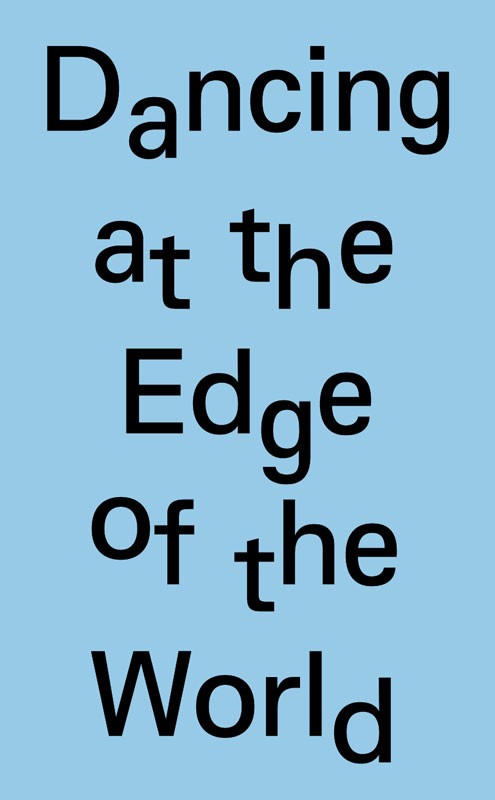
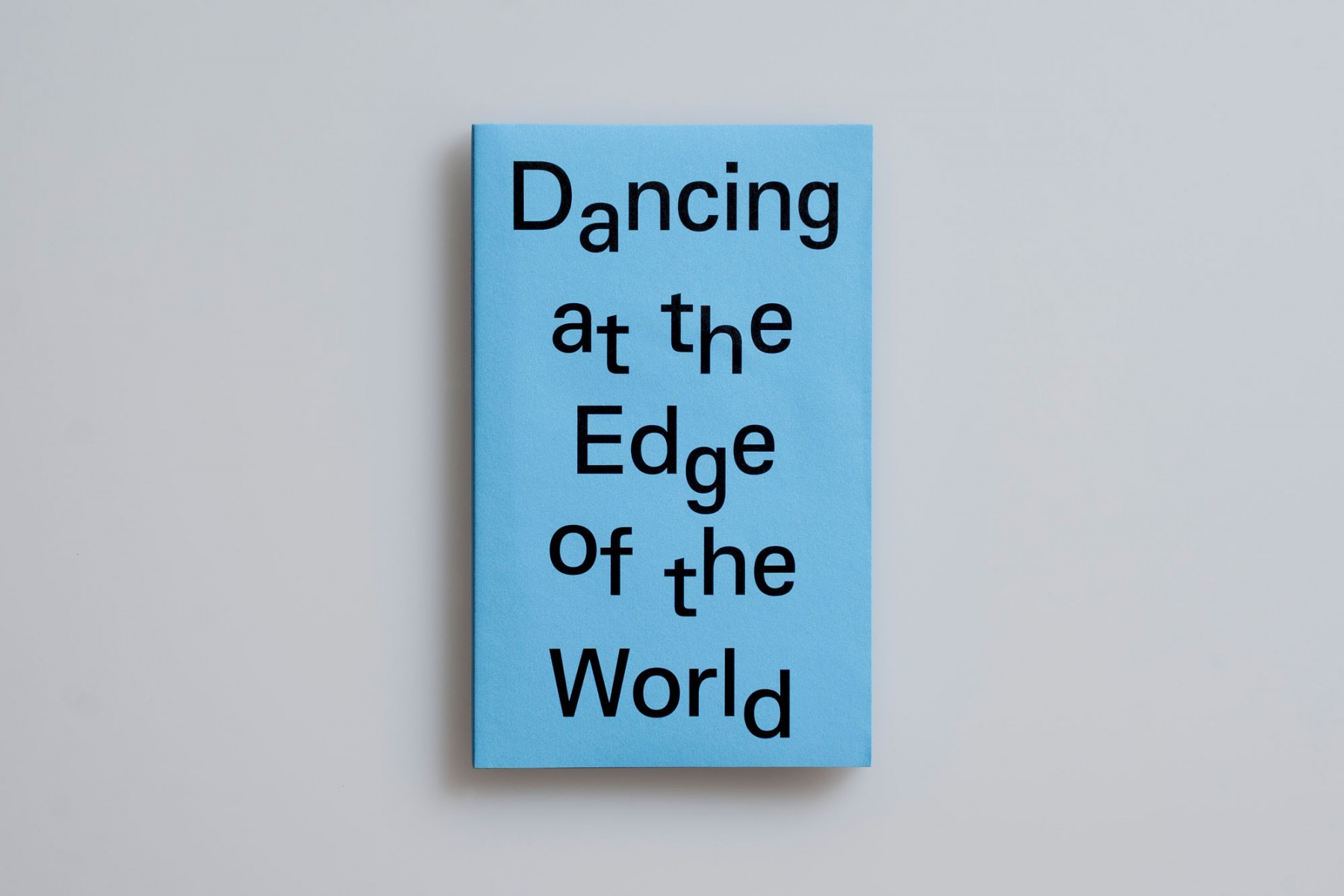
8th Arnaldo Pomodoro Sculpture PrizeDancing at the Edge of the World
Edited by Federico Giani and Chiara Nuzzi
Texts by Federico Giani, Sohrab Mohebbi, Julia Morandeira Arrizabalaga, Chiara Nuzzi, and Anne Reeve
Designed by Lorenzo Mason Studio
2026, English / Italian, 13 x 21cm, 160 pages
ISBN 979-12-80579-85-0
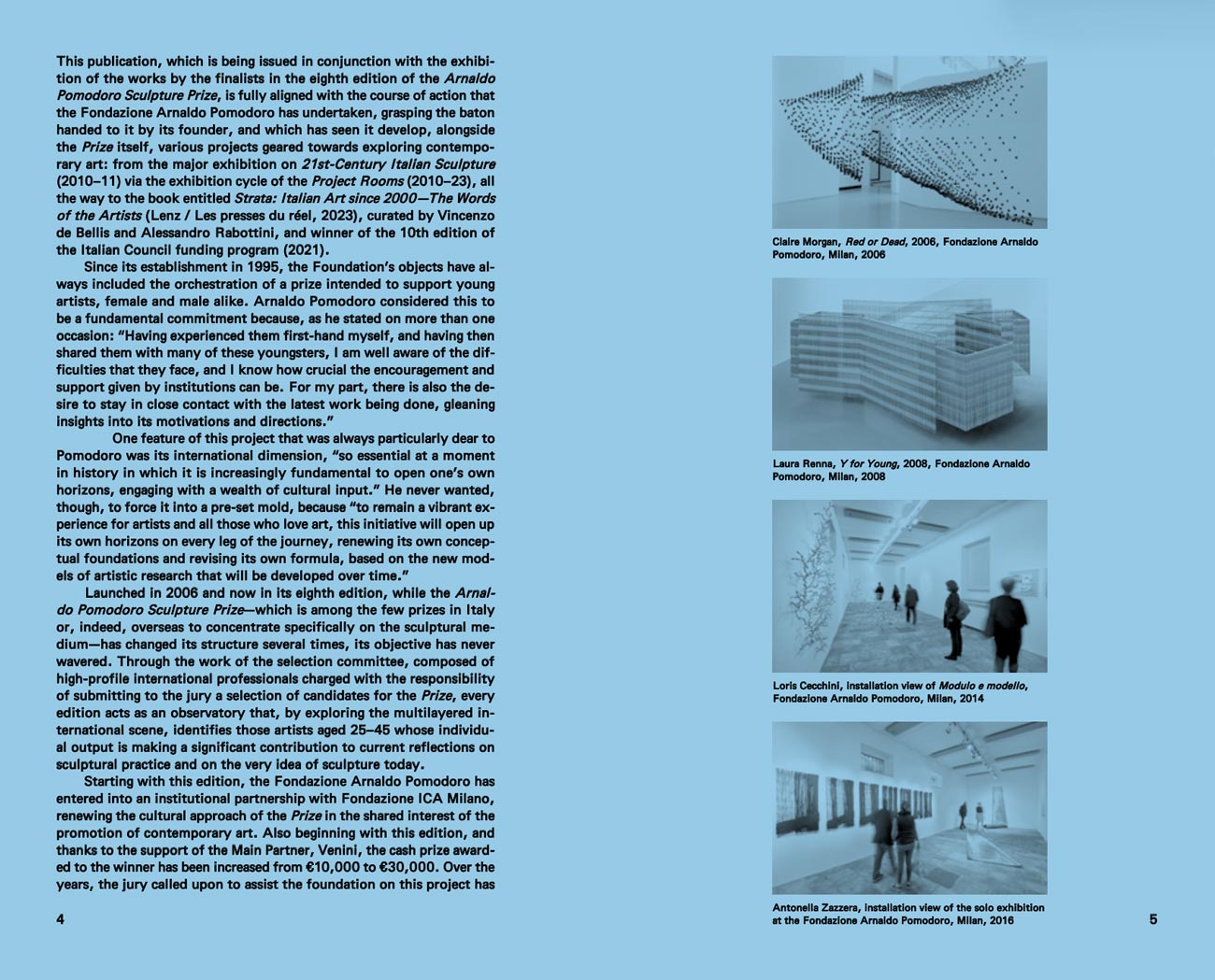
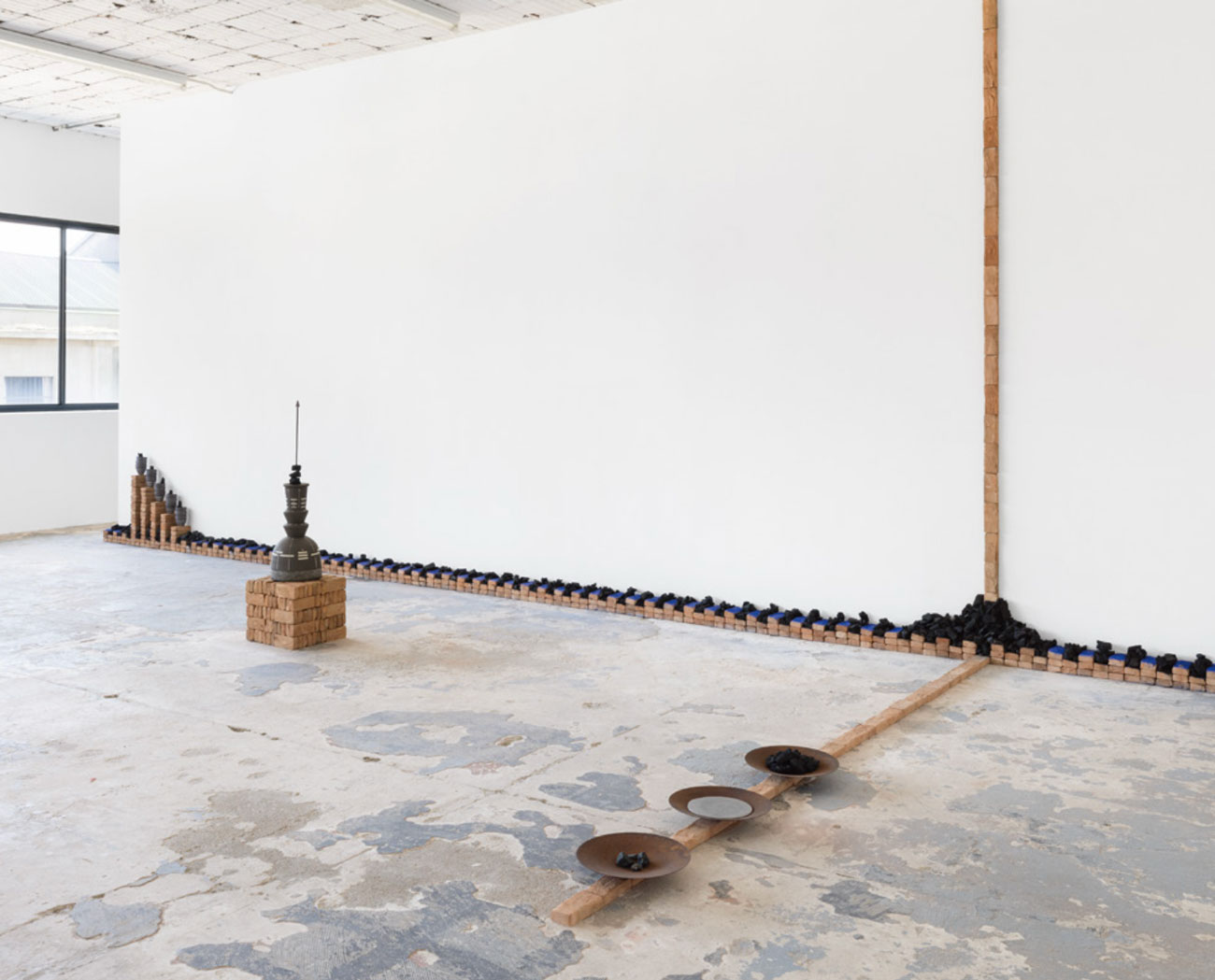
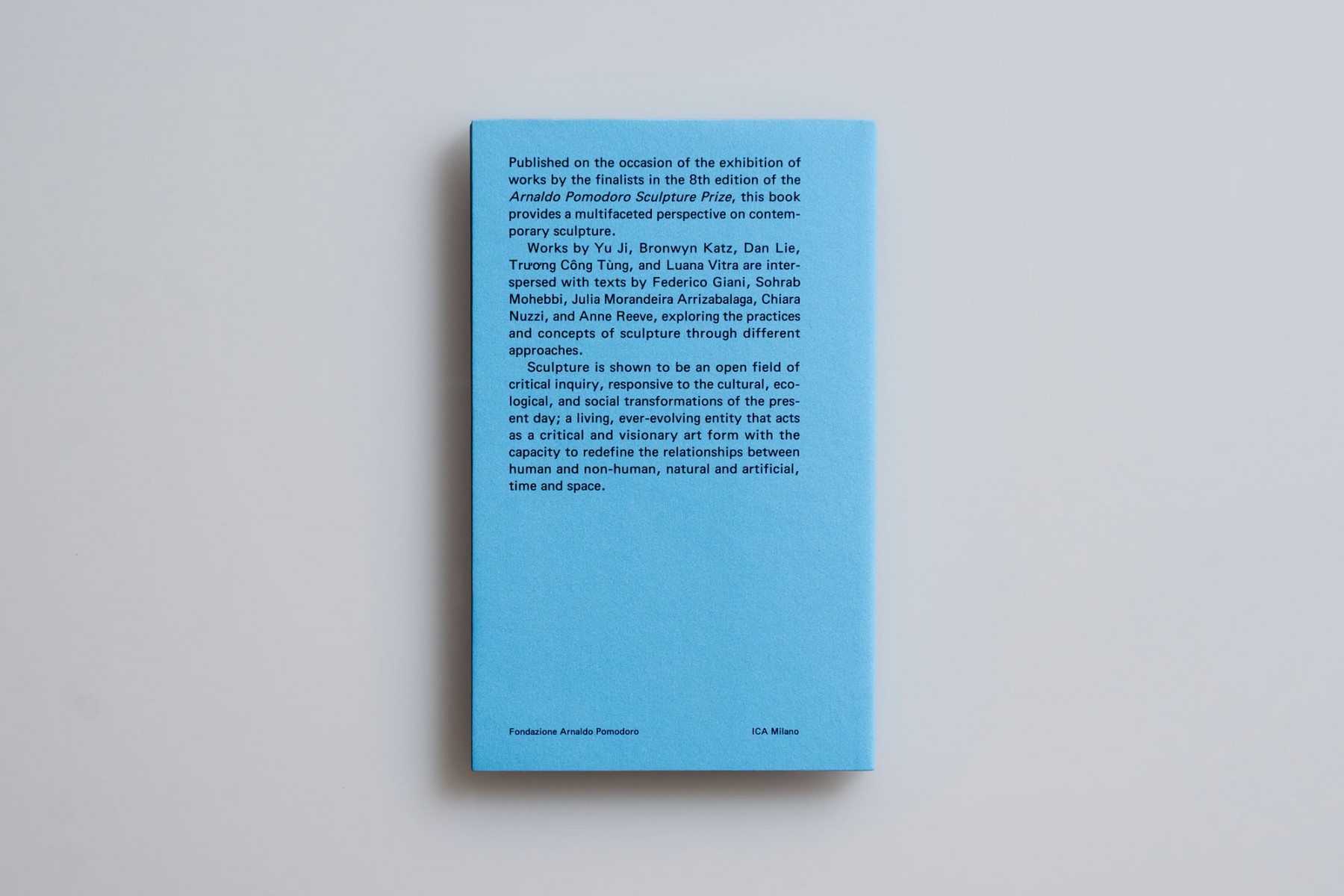
Published on the occasion of the exhibition by the finalists of the 8th Arnaldo Pomodoro Sculpture Prize, this book provides a multifaceted perspective on contemporary sculpture. Works by Yu Ji, Bronwyn Katz, Dan Lie, Trương Công Tùng, and Luana Vitra are interspersed with texts by Federico Giani, Sohrab Mohebbi, Julia Morandeira Arrizabalaga, Chiara Nuzzi, and Anne Reeve, exploring the practices and concepts of sculpture through different approaches. Sculpture is shown to be an open field of critical inquiry, responsive to the cultural, ecological, and social transformations of the present day; a living, ever-evolving entity that acts as a critical and visionary art form with the capacity to redefine the relationships between human and non-human, natural and artificial, time and space.
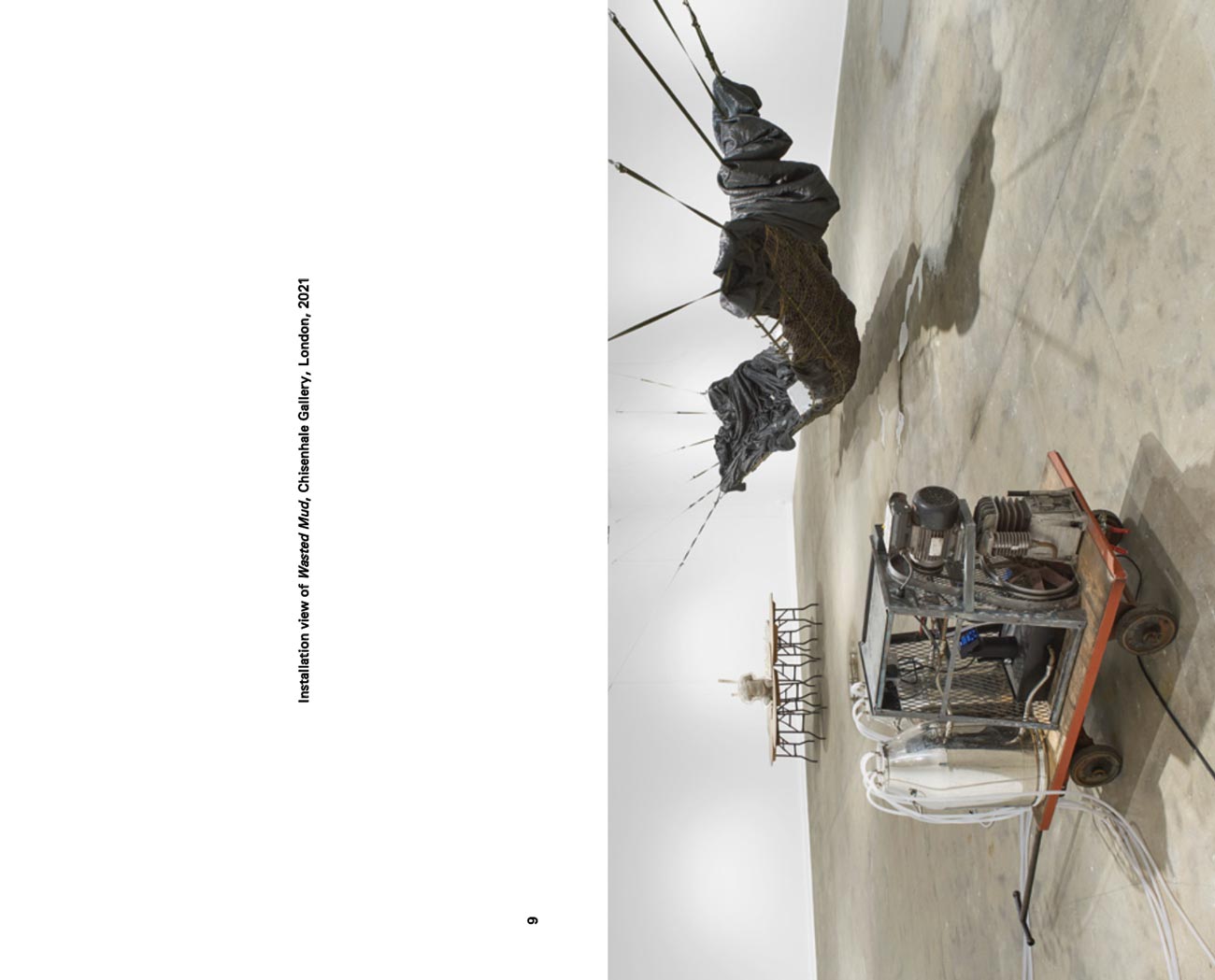
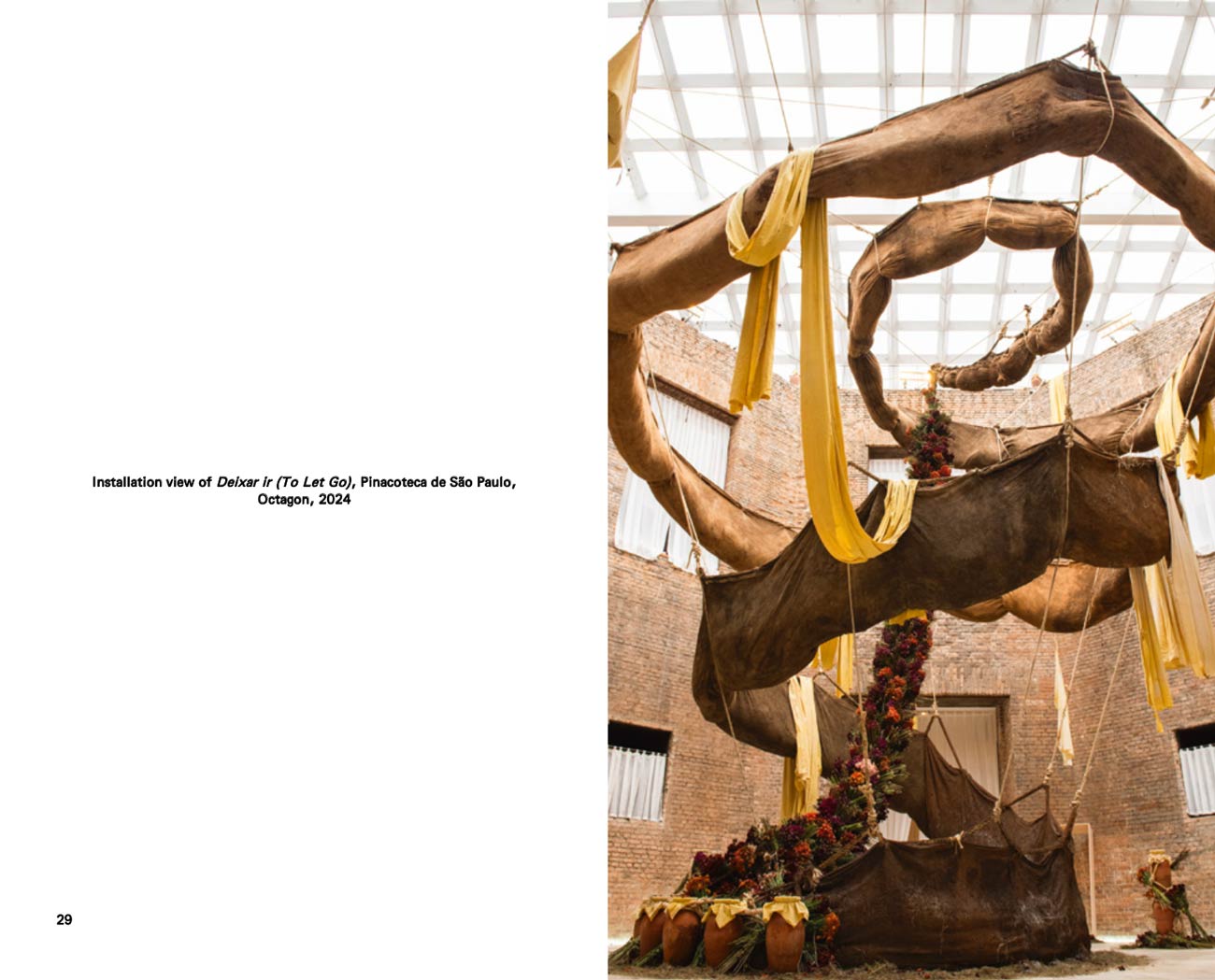
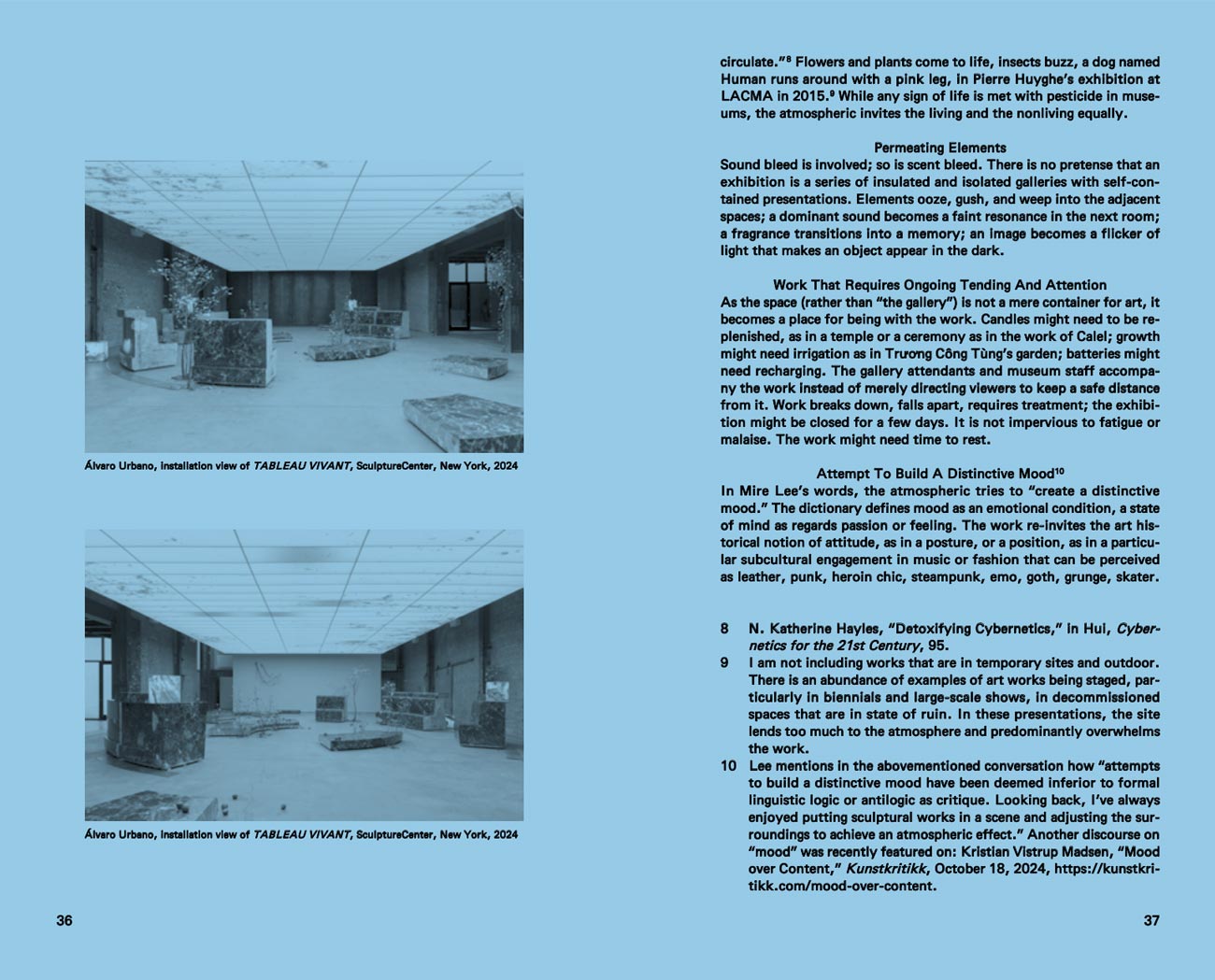
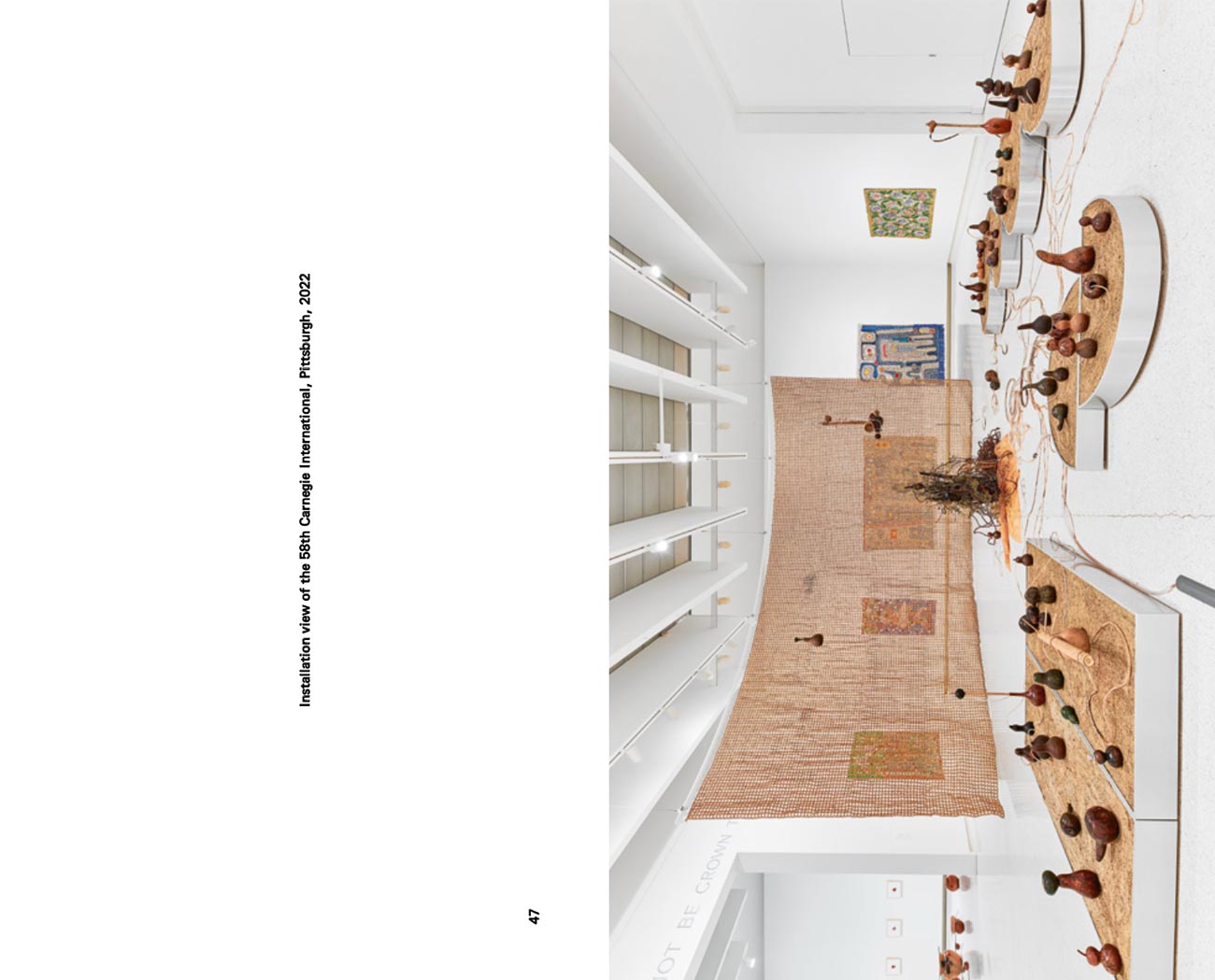
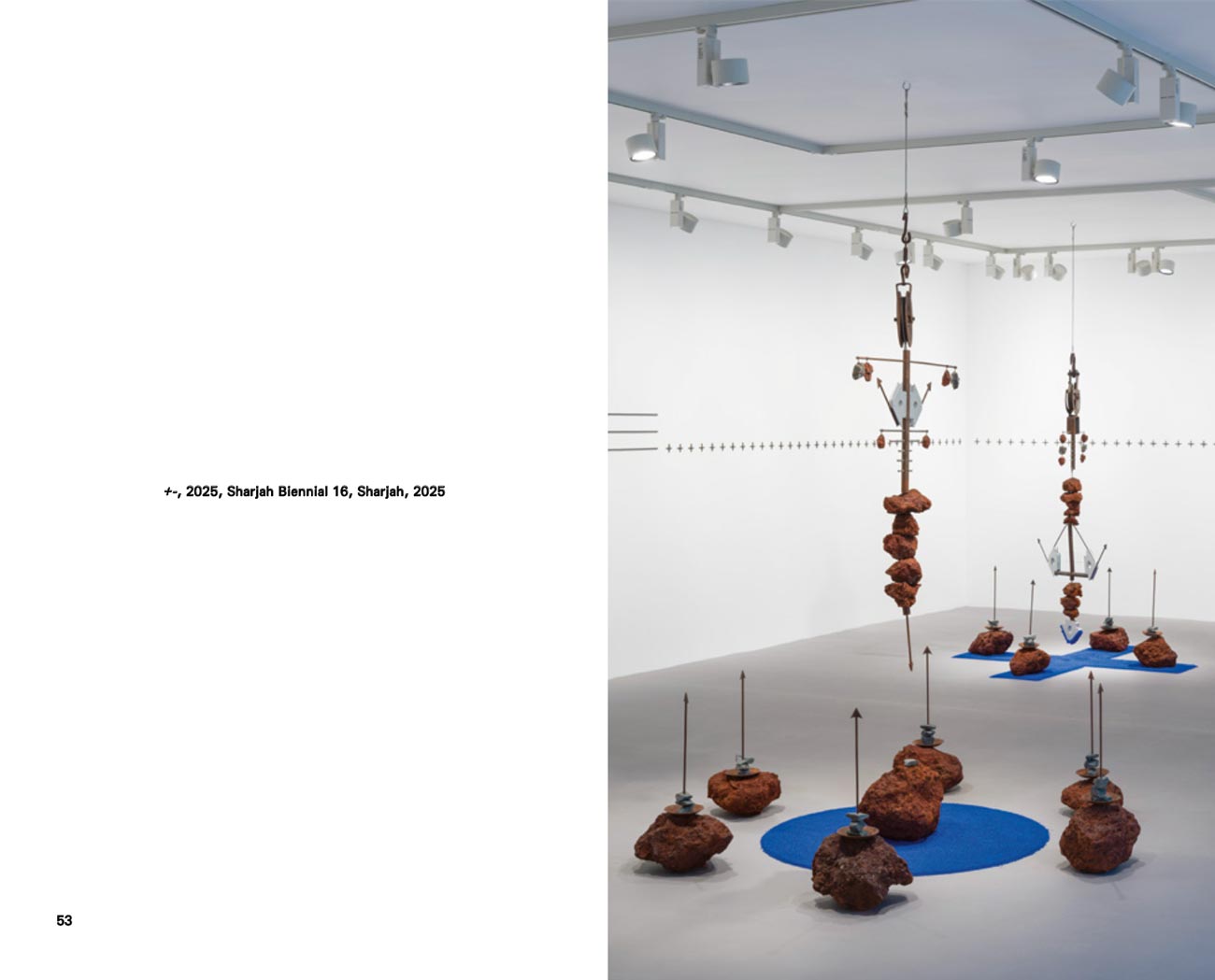
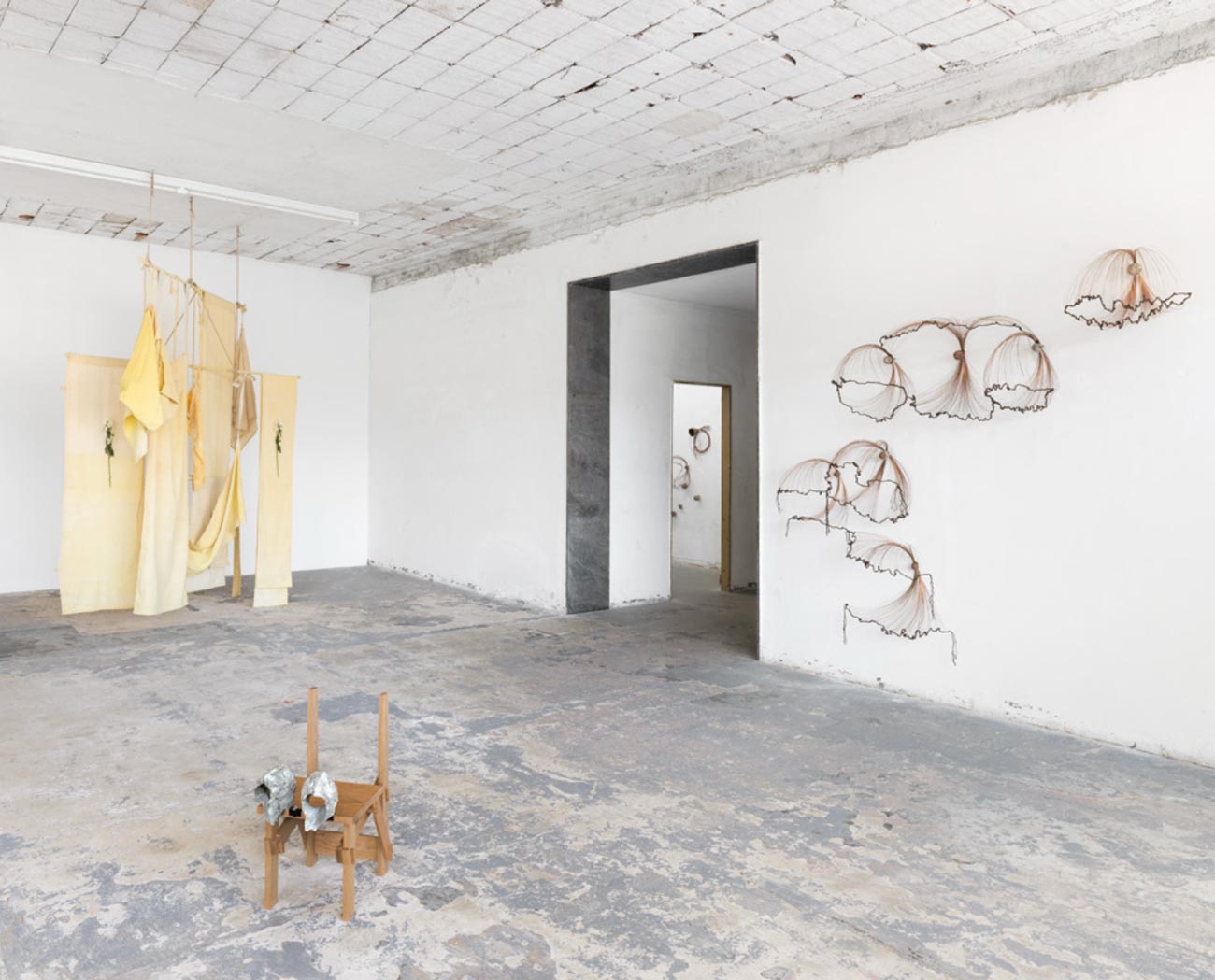
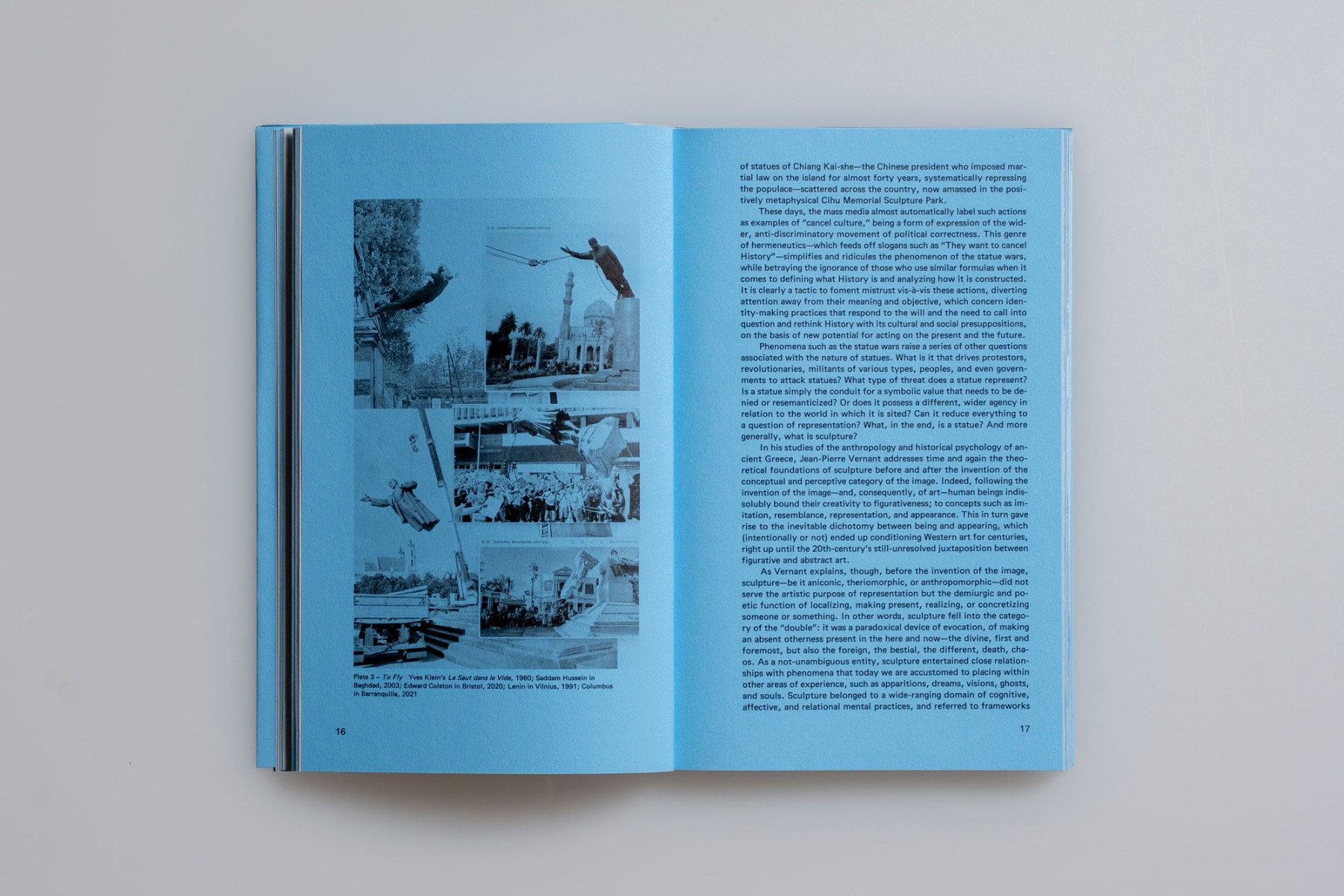
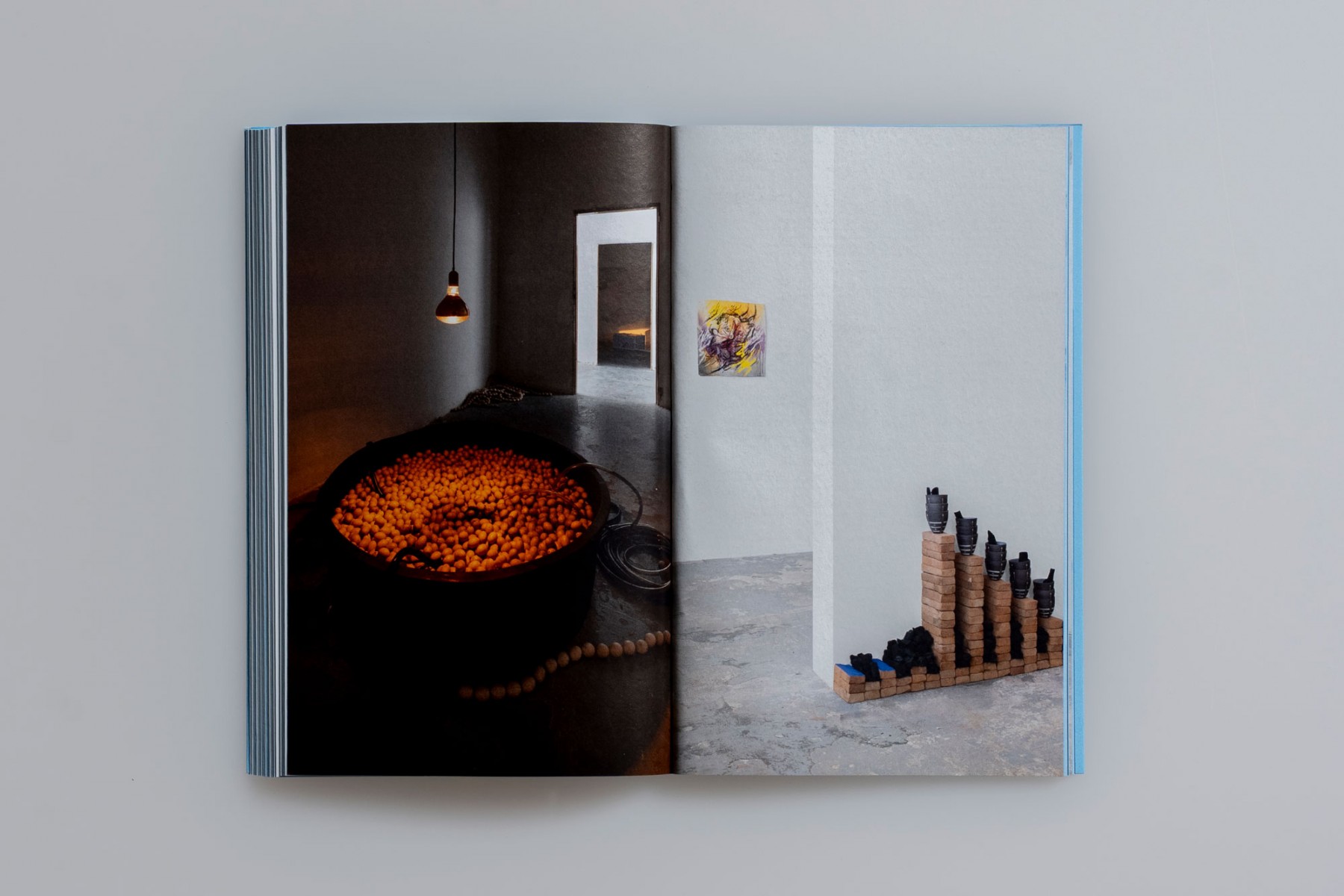
The book, edited by Federico Giani and Chiara Nuzzi, and printed on blue-black paper, is conceived as the interweaving of two independent yet simultaneous narratives, recalling the choreography of two dancers engaged in a dialogue within the same space-time. The first section, titled Gestures, focuses solely on images and consists of small portfolios by Yu Ji, Bronwyn Katz, Dan Lie, Trương Công Tùng, and Luana Vitra—finalists and joint winners of this edition of the Prize. For each of the artists, the book presents individual works and installation views from exhibitions, as well as images of works in progress in their respective workshops, thus offering a glimpse into the artists’ creative process.
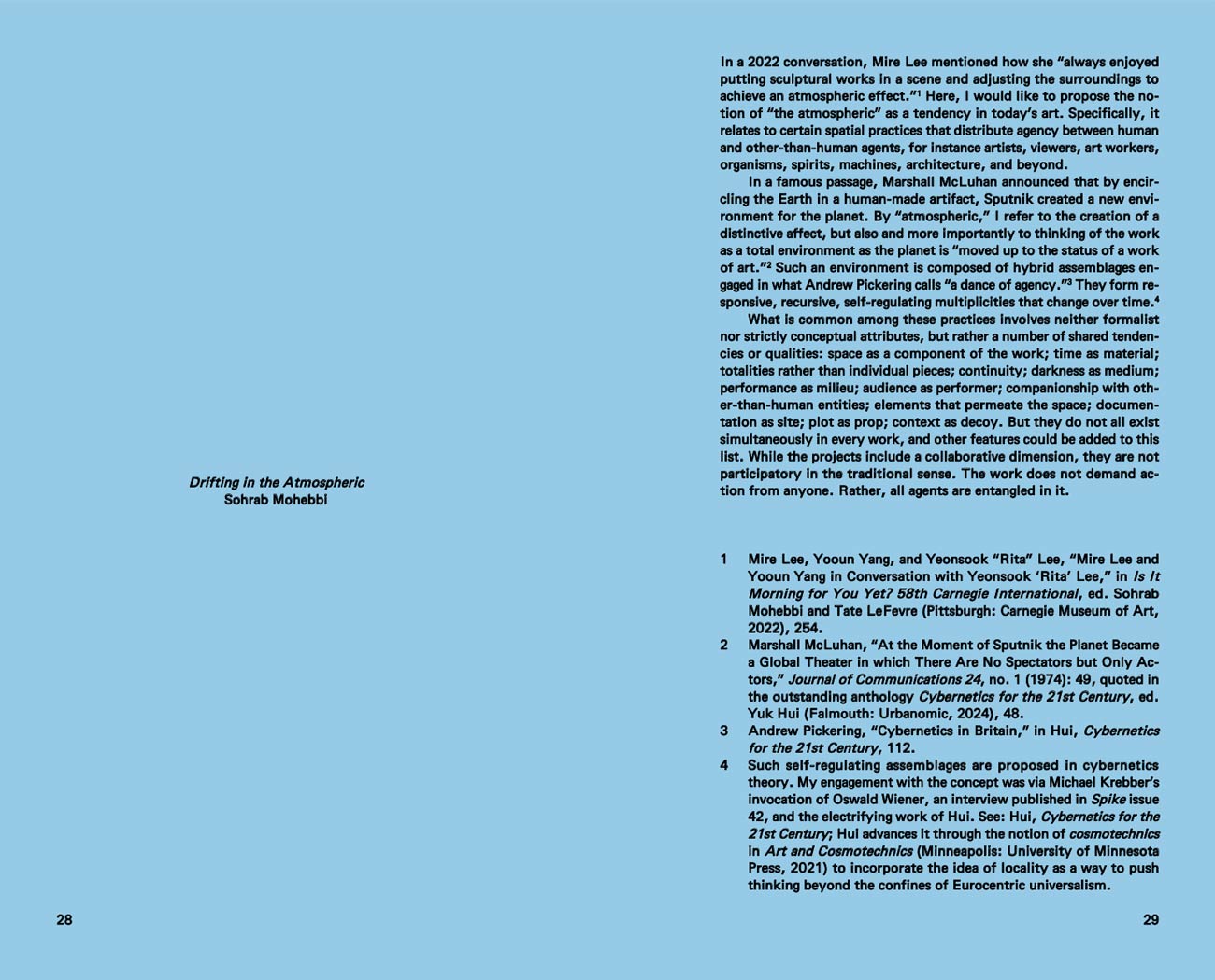
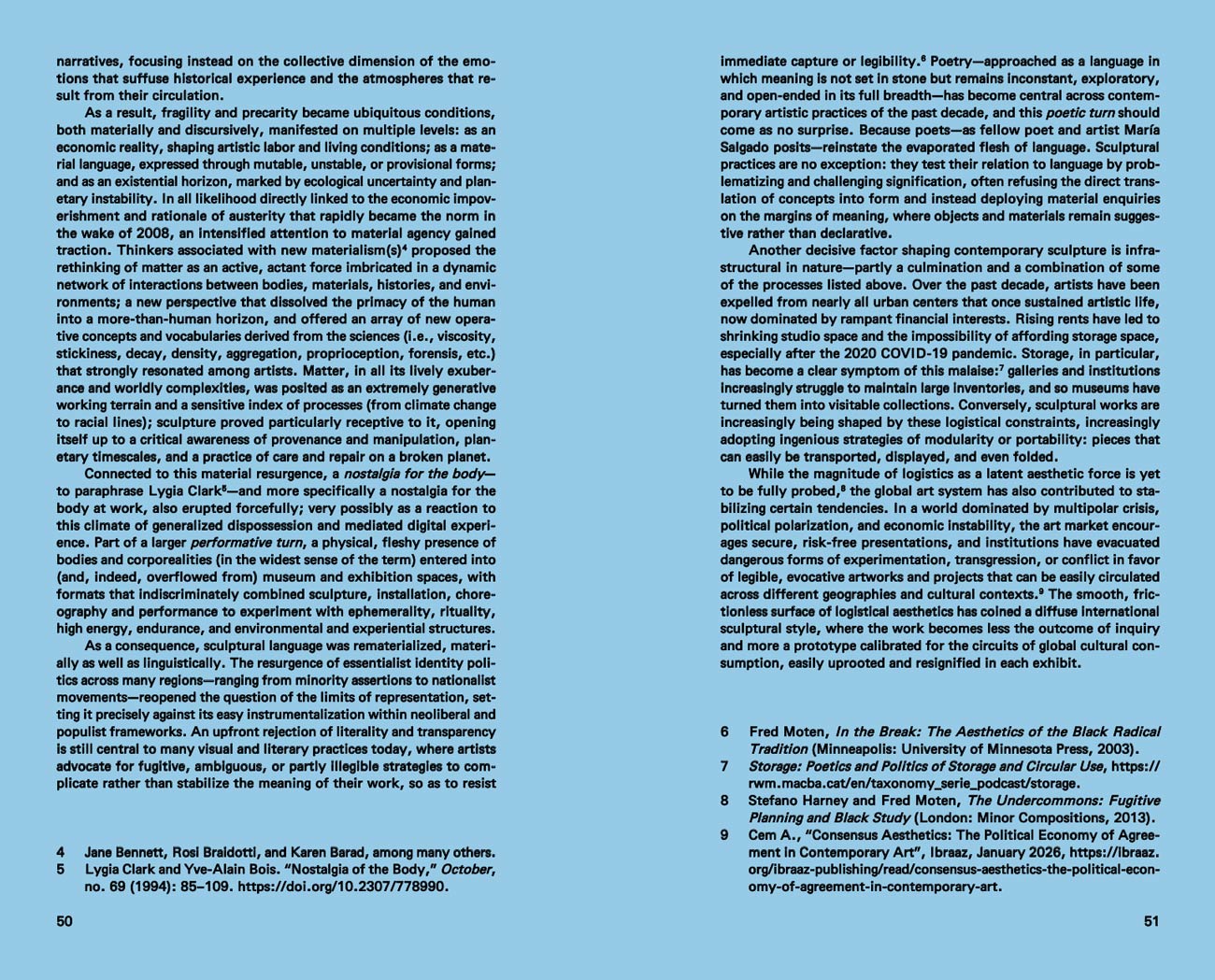
The second section is a condensed anthology of perspectives on contemporary sculpture. The five authors, who are members of the Prize jury, in addition to being directors and curators of the Sculpture Center, the Hirshhorn Museum and Sculpture Garden, the Museo Nacional Centro de Arte Reina Sofía, the Fondazione Arnaldo Pomodoro and the Fondazione ICA Milano, agreed to share their thoughts on the practices and conceptual frameworks that are driving sculpture forward today.
This approach gave rise to a multilayered panorama that encompasses everything from the anthropological constants linking archaic and contemporary perceptions of sculpture, to the elements that contribute to defining the “atmospheric” quality of present-day sculpture and its interpretation as, variously: a relational and transformative art form comparable to dance; a materially experiential expression of the “structure of feeling” within today’s political, social, and theoretical context; an inquiry into how sculpture—now, as before—is ultimately a site for investigation, sensation, and possible revelation; and a gathering place where we attempt to understand how things generate meaning.