Ce catalogue de l’exposition éponyme, organisée au Centre d’Art Contemporain Genève sous la direction d’Andrea Bellini, rassemble plusieurs essais qui explorent la notion de métamorphose sous différentes perspectives. Le catalogue, comme l’exposition, célèbre un monde en constante transformation, où la nature humaine est fluide et hybride, ouverte au changement.
Fredrik Værslev: The Garden Paintings is the first publication dedicated solely to one specific body of work in the artist’s practice. It includes essays by Martha Kirszenbaum and Erlend Hammer, and gives a comprehensive and chronological account of the works from the series, showing their stylistic development as well as their exhibition history.
Between an artist’s book and a catalogue, this publication follows up on Armleder’s multidimensional exhibition at KANAL in 2020–21. Through archival pictures and in depth conversations, the book is designed to recreate the immersive experience of this collective experiment, and proposes a dive into something akin to a large self-portrait, conceived through the works of more than a hundred artists.
This artist’s book reflects Eva & Franco Mattes’ continued interest in the condition of displacement to be sensed in Fukushima. Borrowing the format of wrapping-paper catalogs, it contains twenty large pre-perforated sheets, each of which features a photographic texture—a seamlessly repeating motif captured by the camera amid the radioactive ruins of the contaminated towns and countryside.
The album brings together the music composed by Federico Chiari for various film and video works by Diego Marcon, including Monelle (2017), Ludwig (2018), The Parents’ Room (2021), and Dolle (2023). The album comes with a booklet containing lyrics and images that provide a deeper insight into this unique, profoundly intertwined collaboration between Chiari and Marcon.
This small anthology reviews some of the central themes of Diego Marcon’s research: from the role of the display in exhibitions to his relationship with cinema, from the use of special effects and animatronics to the sense of community established through his work. Glassa accompanies the exhibition of the same name designed by the artist for the spaces of the Centro per l’arte contemporanea Luigi Pecci in Prato.
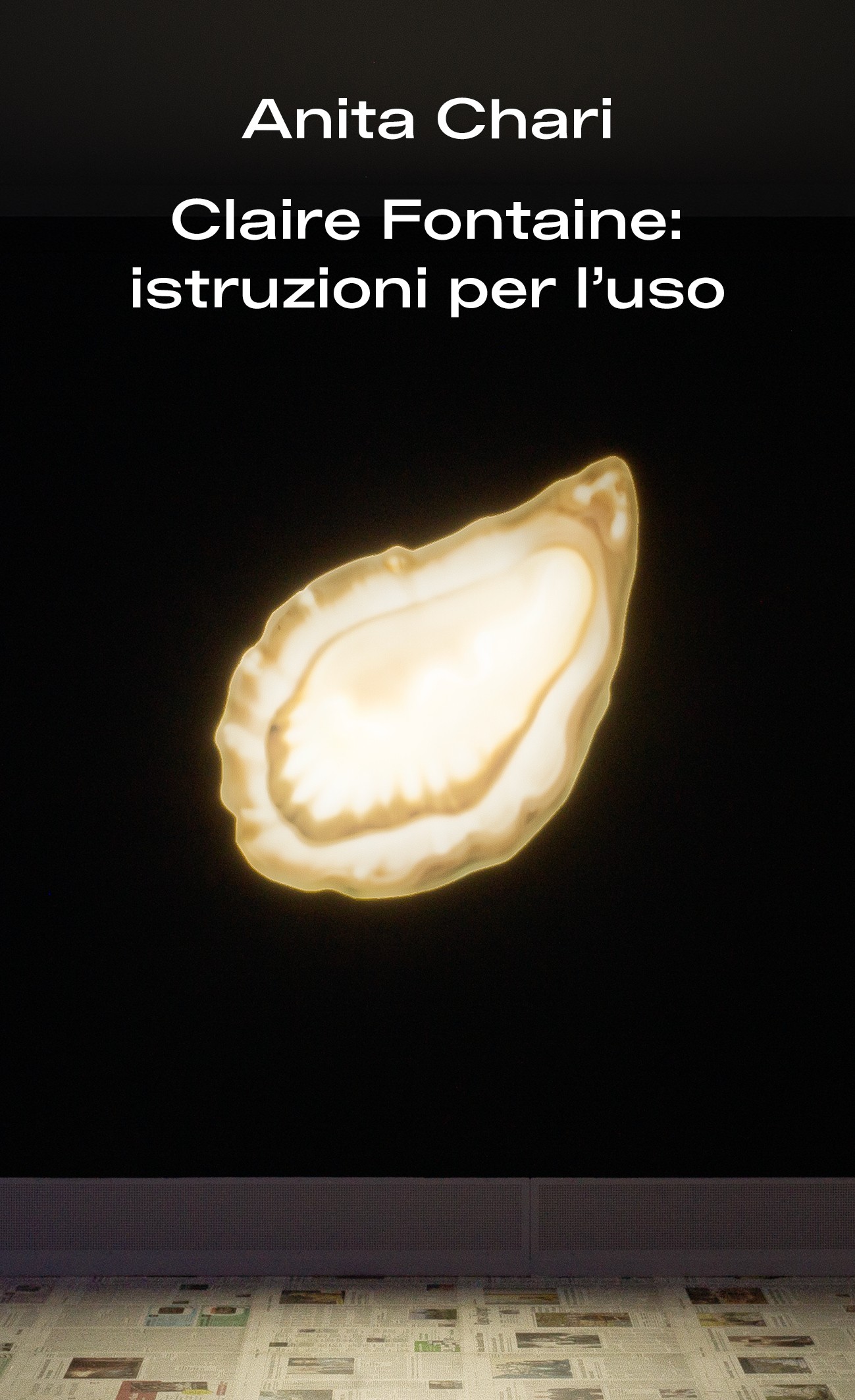
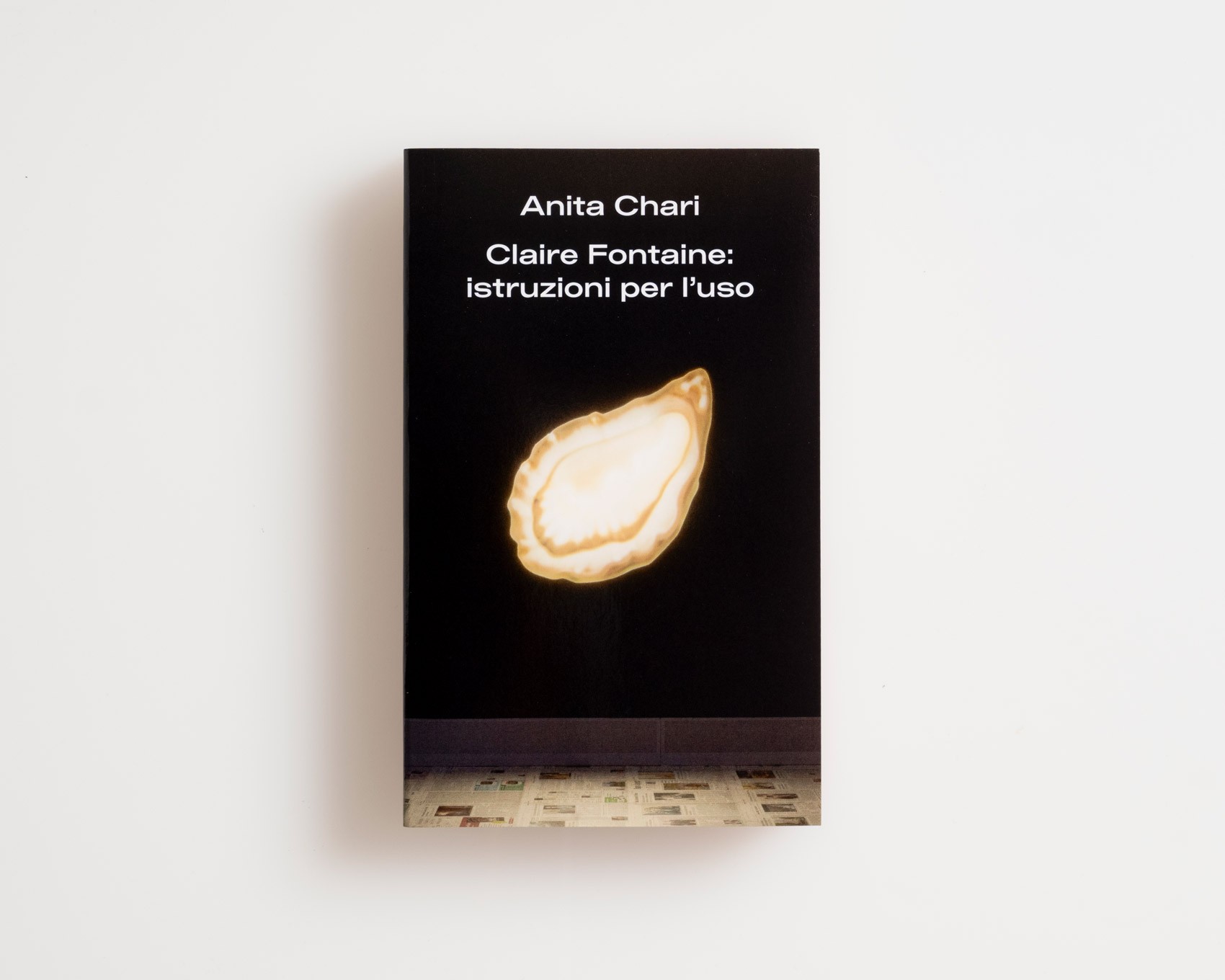
Anita Chari
Progetto grafico di Lorenzo Mason Studio
2026, italiano, brossura, 11 x 18 cm, 300 pagine
ISBN 979-12-80579-99-7
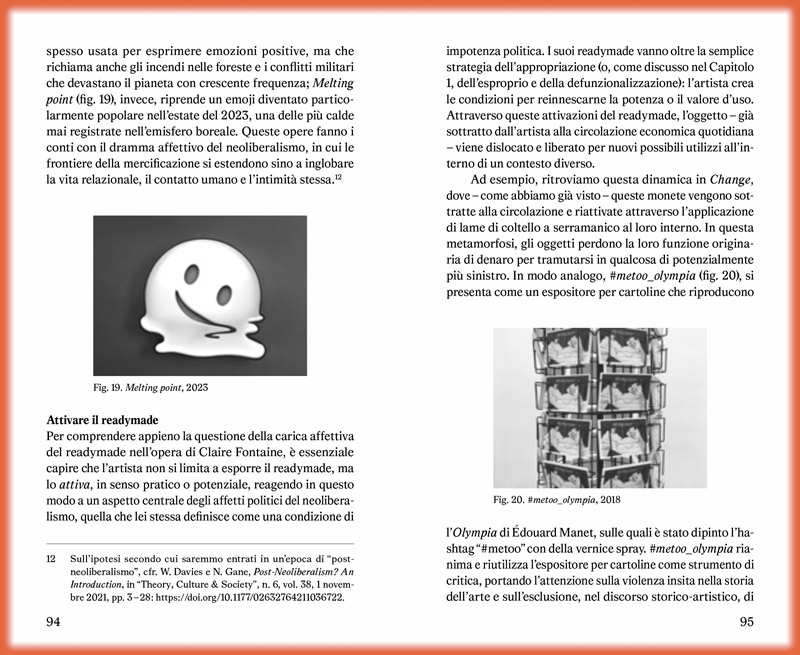
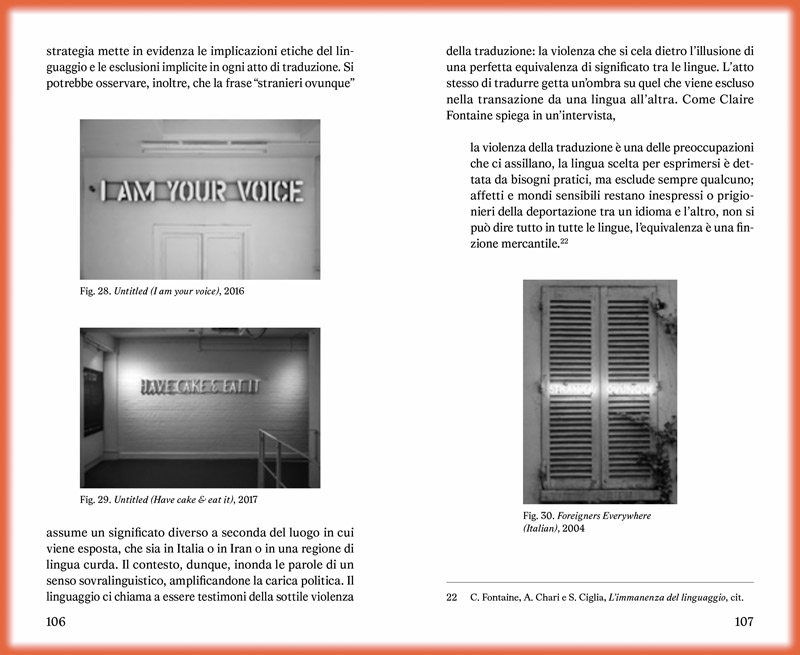
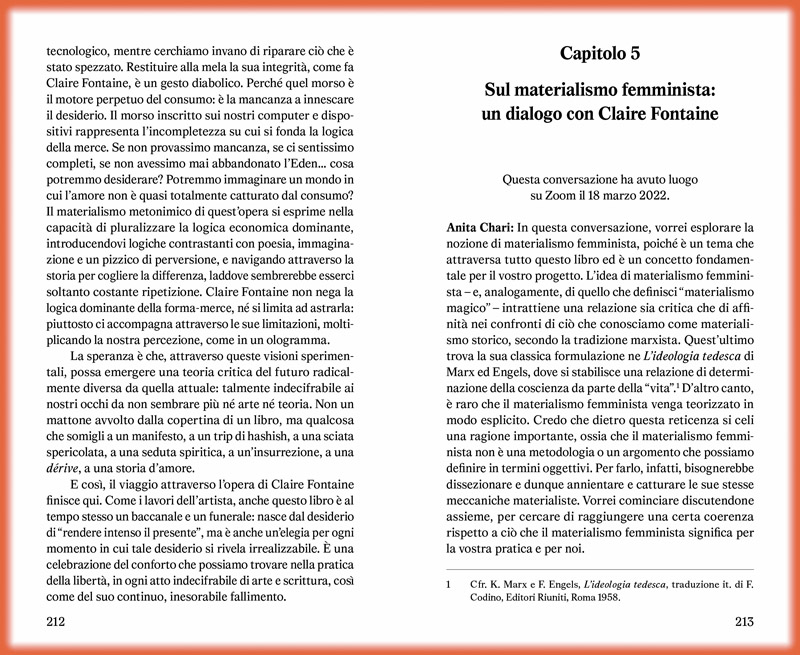
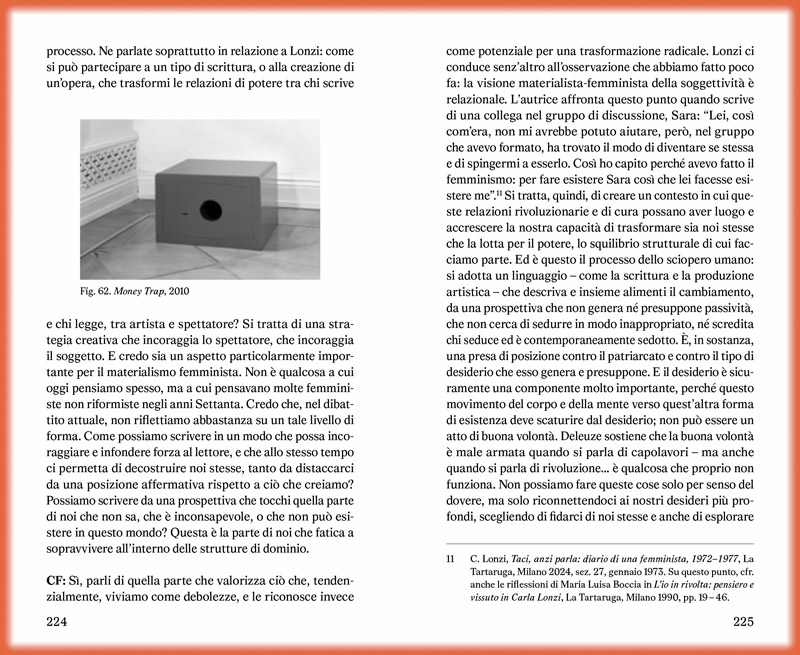
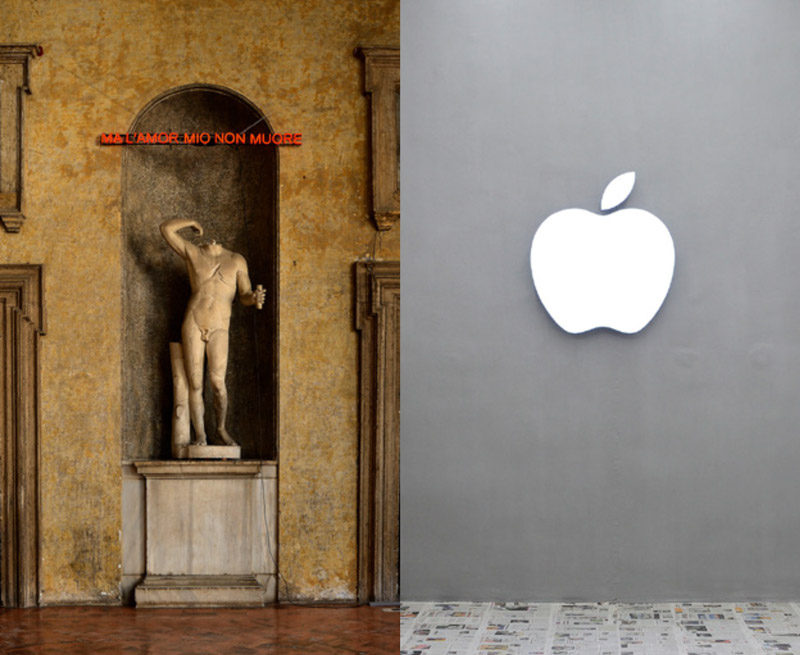
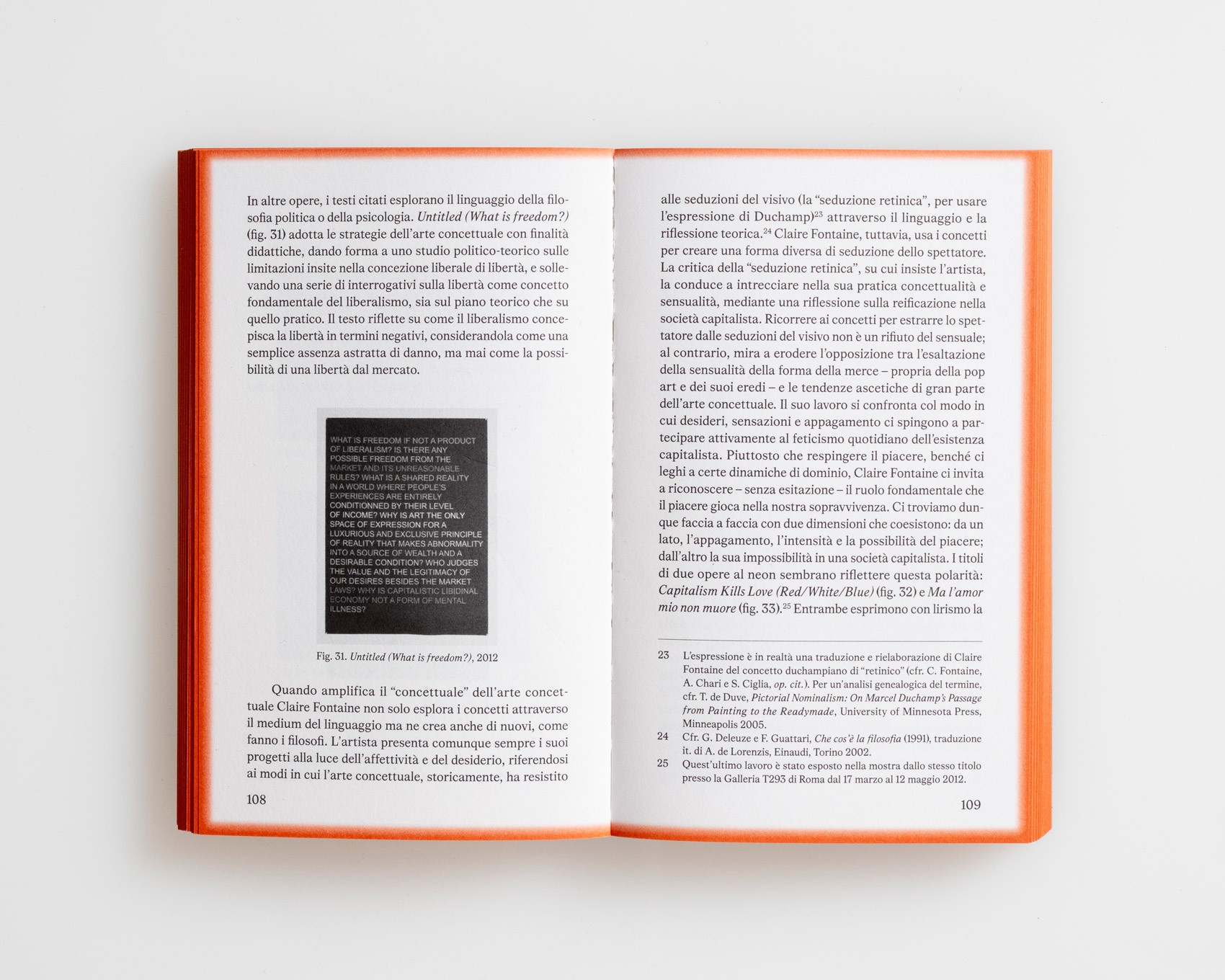
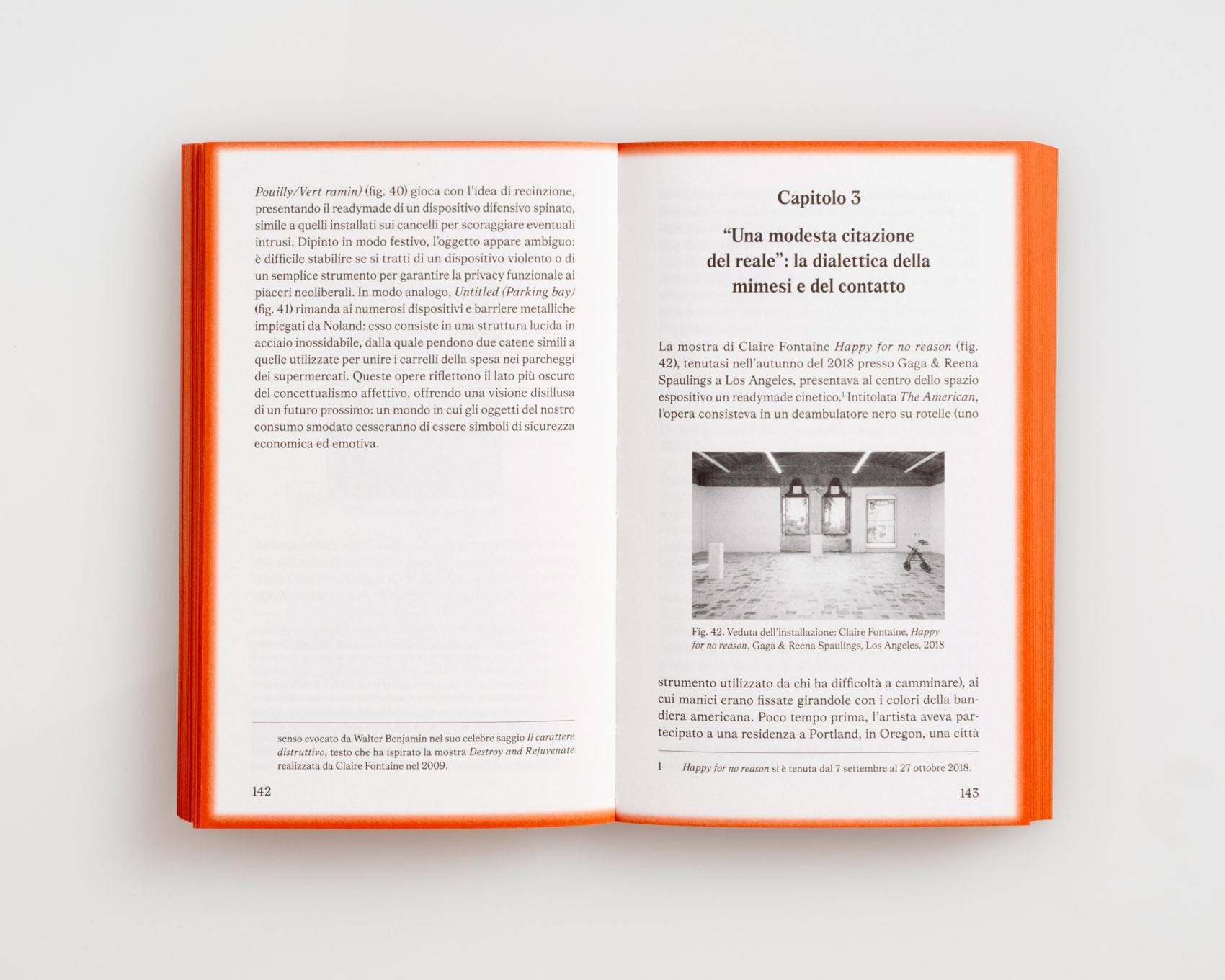
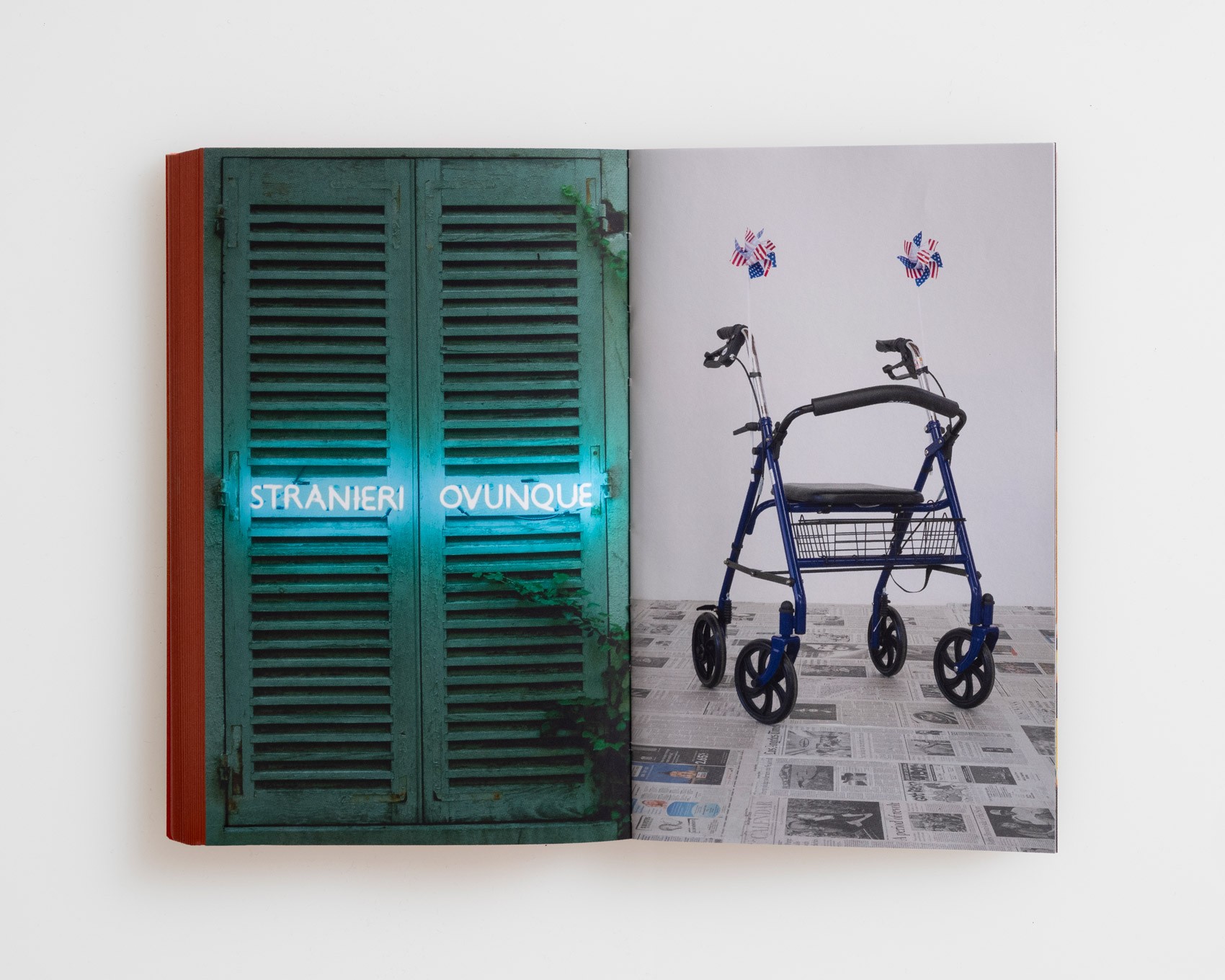
Claire Fontaine: istruzioni per l’uso esplora il lavoro del collettivo femminista di arte concettuale Claire Fontaine alla luce delle sue innovazioni teoriche e politiche, all’interno e all’esterno del contesto dell’arte contemporanea. Teorizzando le modalità tramite cui l’approccio sperimentale di Claire Fontaine è in grado d’illuminare un orientamento aptico e incarnato nei confronti della teoria critica, questo libro delinea una serie di metodologie e procedure teoriche al centro della pratica dell’artista, fra cui defunzionalizzazione, institutional critique, sciopero umano, mimesi tattile, desoggettivazione, détournement, materialismo magico e materialismo femminista.
In questo saggio, la teorica politica e operatrice somatica Anita Chari fa luce su una pratica più ampia per chi lavora nel mondo della teoria critica, fornendo una serie di “istruzioni per l’uso”: un manuale che, attingendo alle risorse dell’arte contemporanea, cerca di reinvestire la teoria critica di un valore d’uso, per rifondarla sulla percezione sensoriale e informare le pratiche politiche contemporanee.
“Un libro geniale e appassionante sull’arte e la scrittura di Claire Fontaine – ‘artista readymade’ e provocatrice concettuale – che attraversa con fluidità teoria critica, filosofia politica e critica d’arte, oltre a offrire una vitale delucidazione delle strade possibili verso modalità trasformative di vita nel presente. Scrivendo con e attraverso il suo soggetto, piuttosto che ‘su’ di esso, come è consuetudine, Chari offre ai lettori delle ‘istruzioni per l’uso’ alla pratica di Claire Fontaine, identificando nel suo lavoro un modello per una resistenza incarnata.” —Tom McDonough, autore di The Beautiful Language of My Century