This artist’s first monograph brings together sketches, documentation and installation shots, as well as an in-depth analysis of her practice. It highlights her process of making art, from the conception of an idea to the finished work, and from the deconstruction and re-assembling of her characters’ identities to the relentless creation of new worlds.
Published on the occasion of the first exhibition in Italy by Jenna Gribbon, staged at the Collezione Maramotti, Mirages showcases a wealth of images that highlight the fluid, sensual output of this artist who, in repeatedly portraying her wife, the musician Mackenzie Scott (aka TORRES), explores the implications inherent in seeing and being seen.
The catalogue of this ambitious project, held at the Centre d’Art Contemporain Genève in 2017, reflects on the centrality of writing in contemporary visual art practices. Documenting its slippages from printed matters to the digital realm, from voice modulations to its sculptural presence, this book celebrates the word in all its forms.
A book emerged from the need to try to tell the story of architecture in a way quite unlike how it’s usually told, in a continuous dialogue between the anthropological gaze of Armin Linke’s photos compared with the ideation process of two public works by the Carlana Mezzalira Pentimalli architecture office.
The book documents and brings together two exhibition projects by Nina Canell and Maria Hassabi. Essays, unpublished materials and a rich set of photographic materials form the driving force behind two visual narratives that offer new keys to understanding the research of the two artists.
Can art, literature, filmmaking, and music draw out, make visible, legible, audible, or even contestable the patterns in which our lives are held? Considering the work by Stan Douglas, Harun Farocki, Ingri Fiksdal, Åke Hodell, Stefan Panhans & Andrea Winkler, Susan Philipsz, and Elizabeth Price, this publication entertains this question.
Edited by Rui Mateus Amaral
Texts by Rui Mateus Amaral, Carlos Bunga, Rina Carvajal, Roland Groenenboom, Omar Kholeif, November Paynter, and Catarina Rosendo
Designed by Ilhas Studio
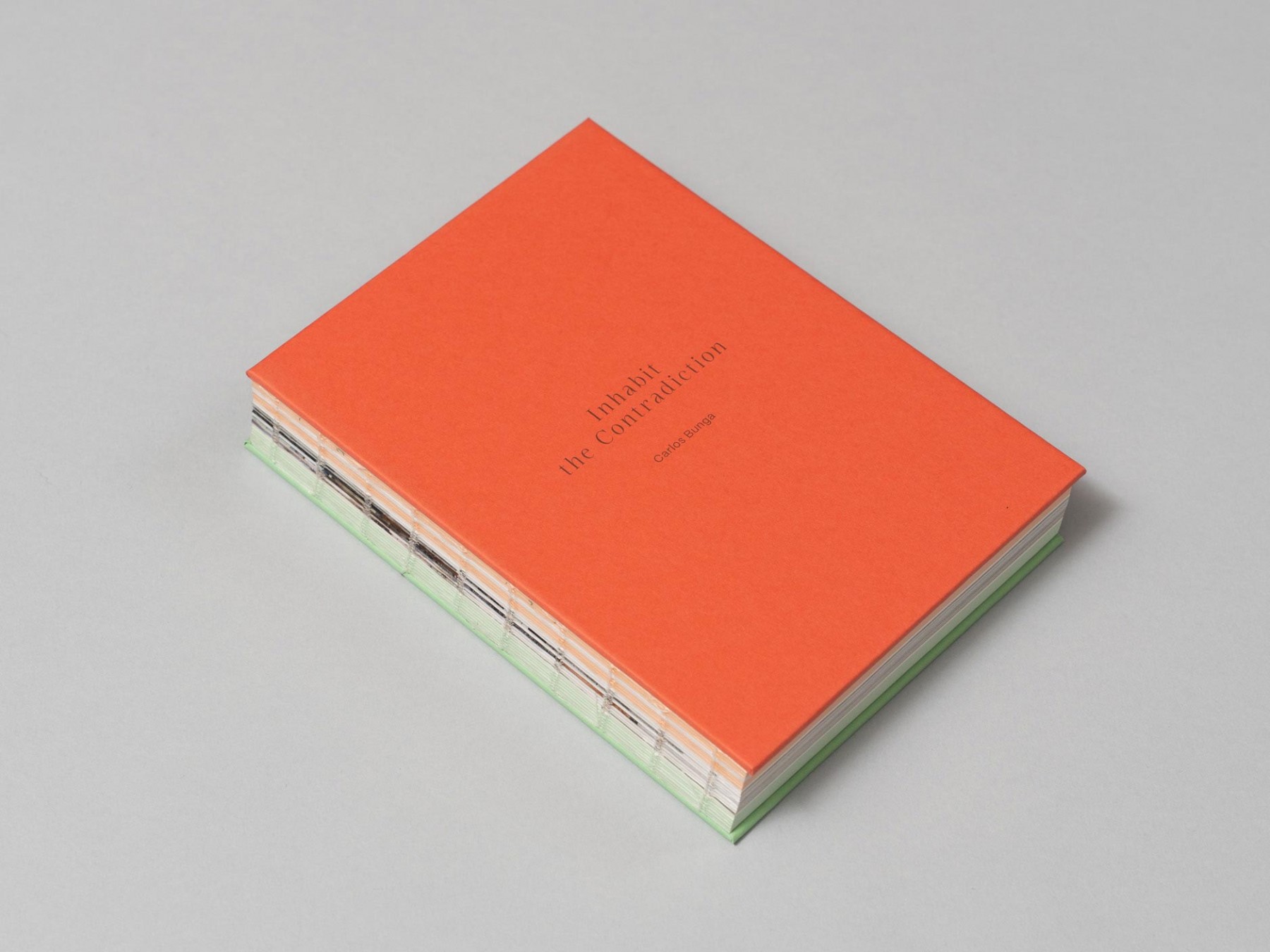
2025, English / Portuguese, hardcover, 14 x 19 cm, 388 pages
ISBN 979-12-80579-92-8
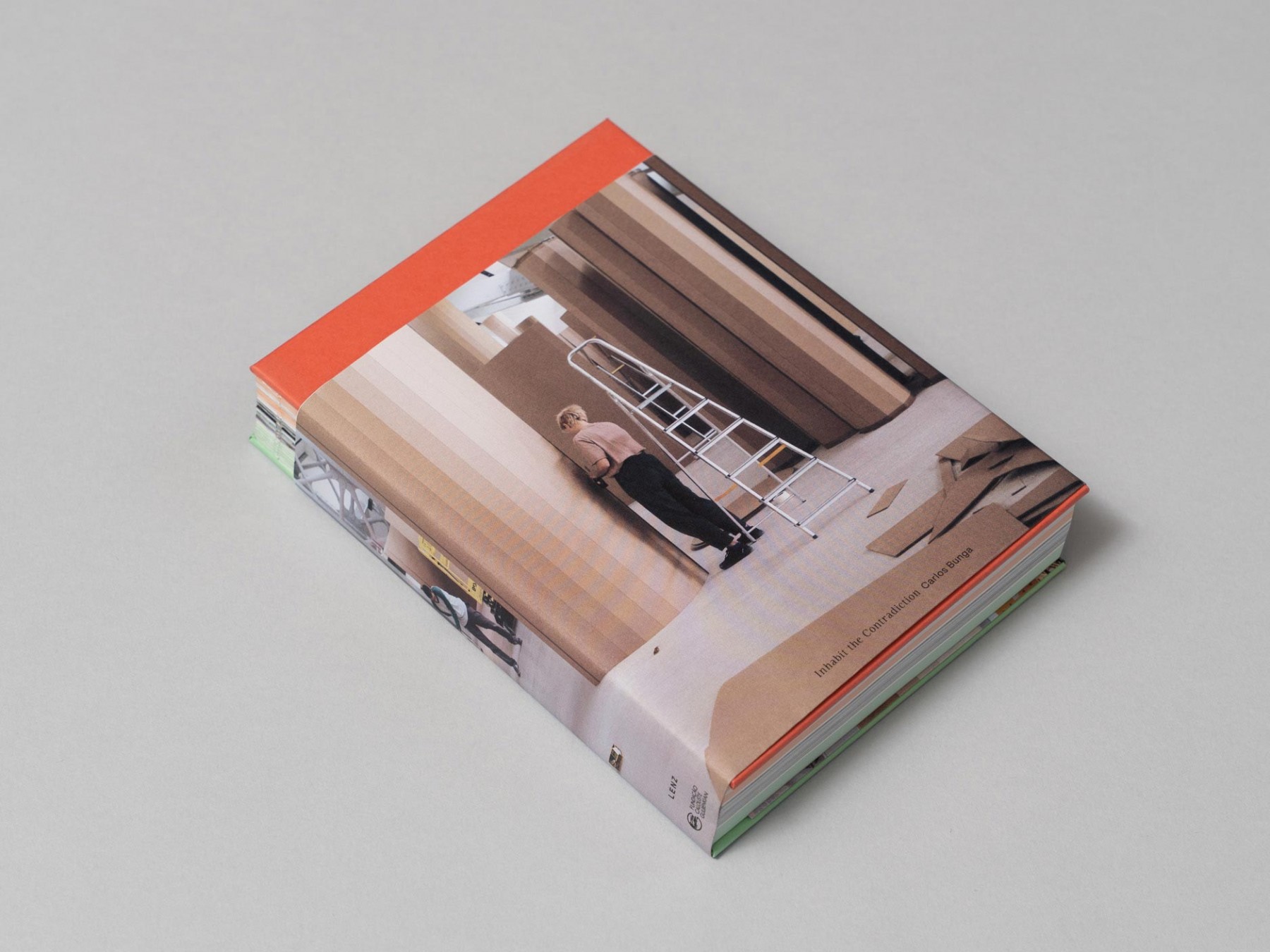
Carlos Bunga: Inhabit the Contradiction is an extensive monograph devoted to the work of Carlos Bunga, published in conjunction with his eponymous exhibition presented at CAM – Gulbenkian.
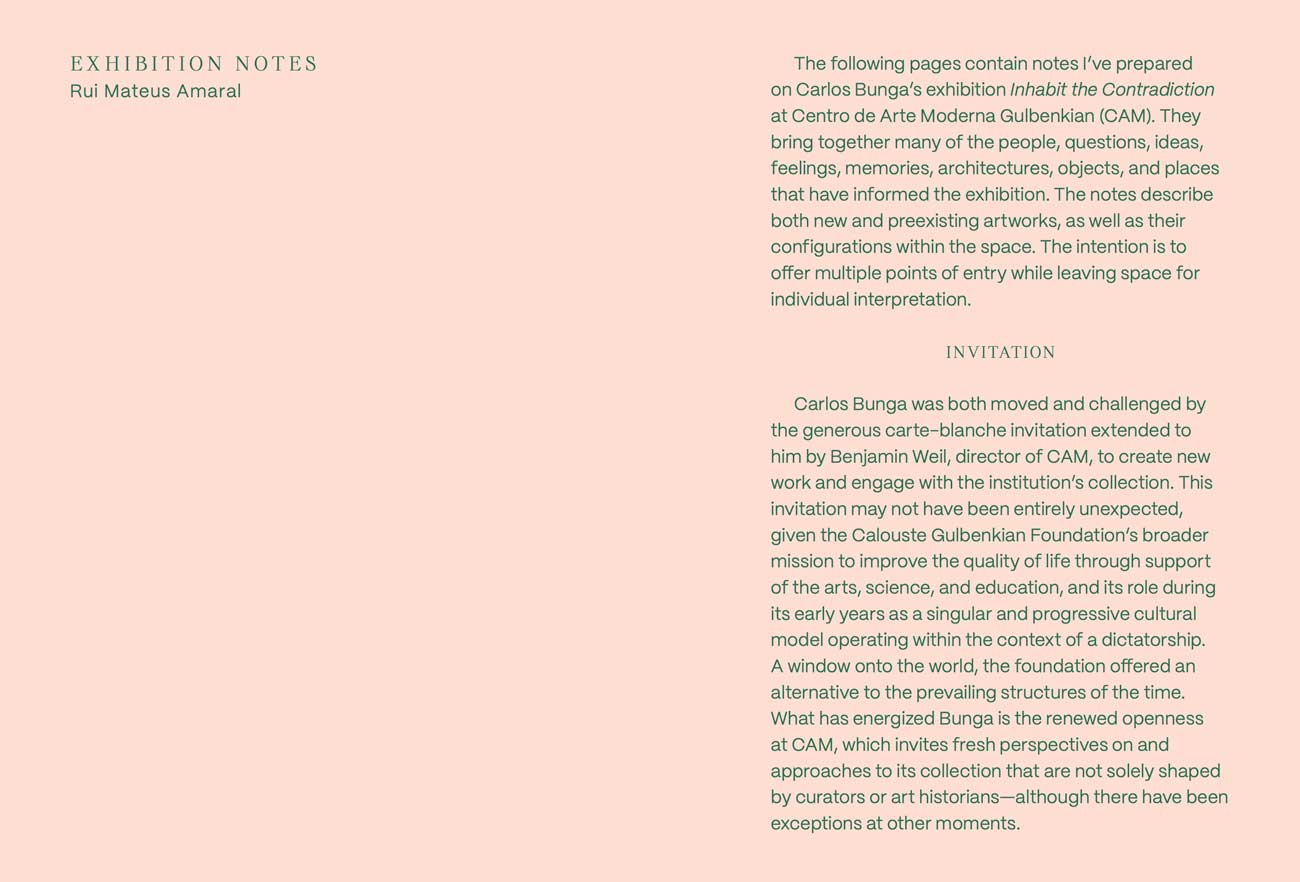
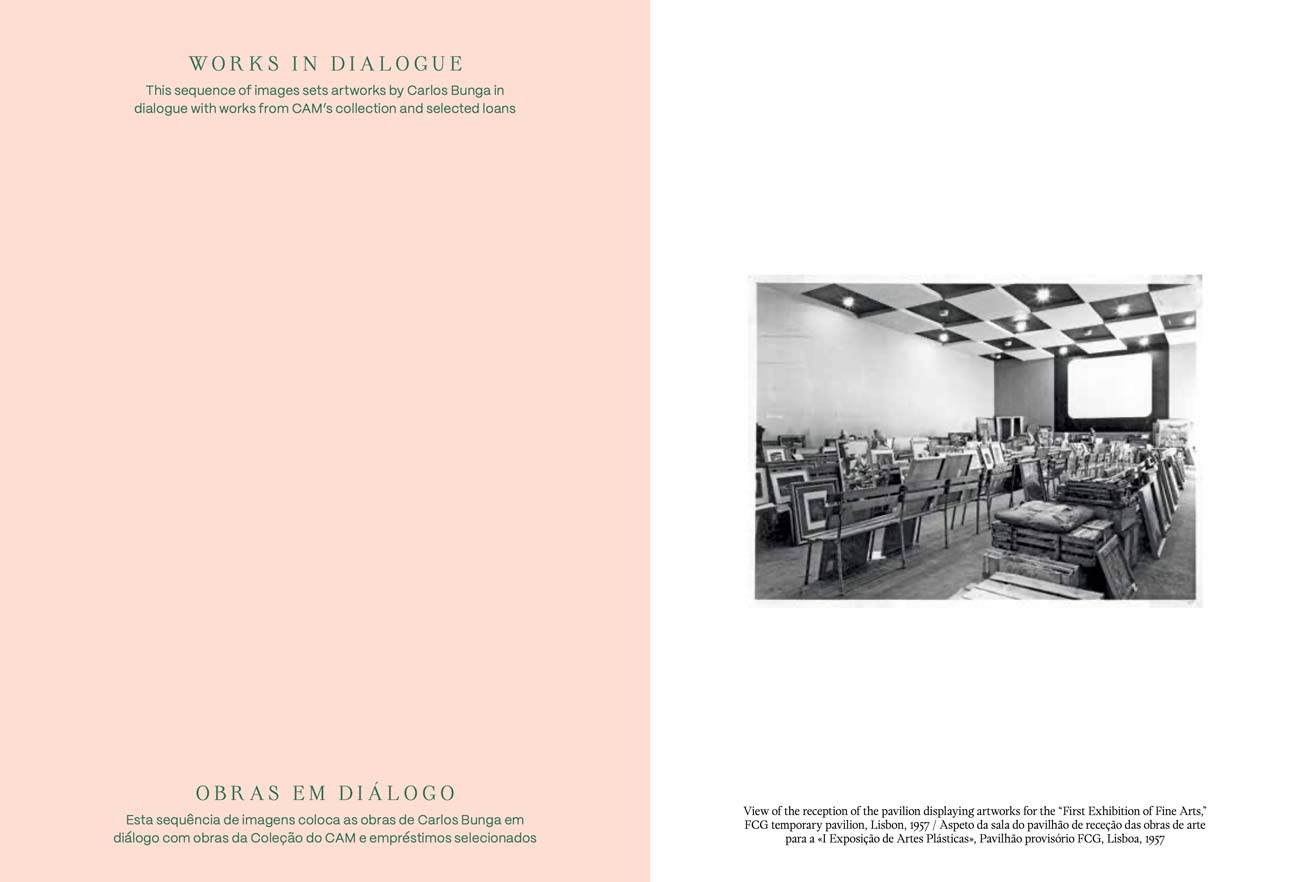
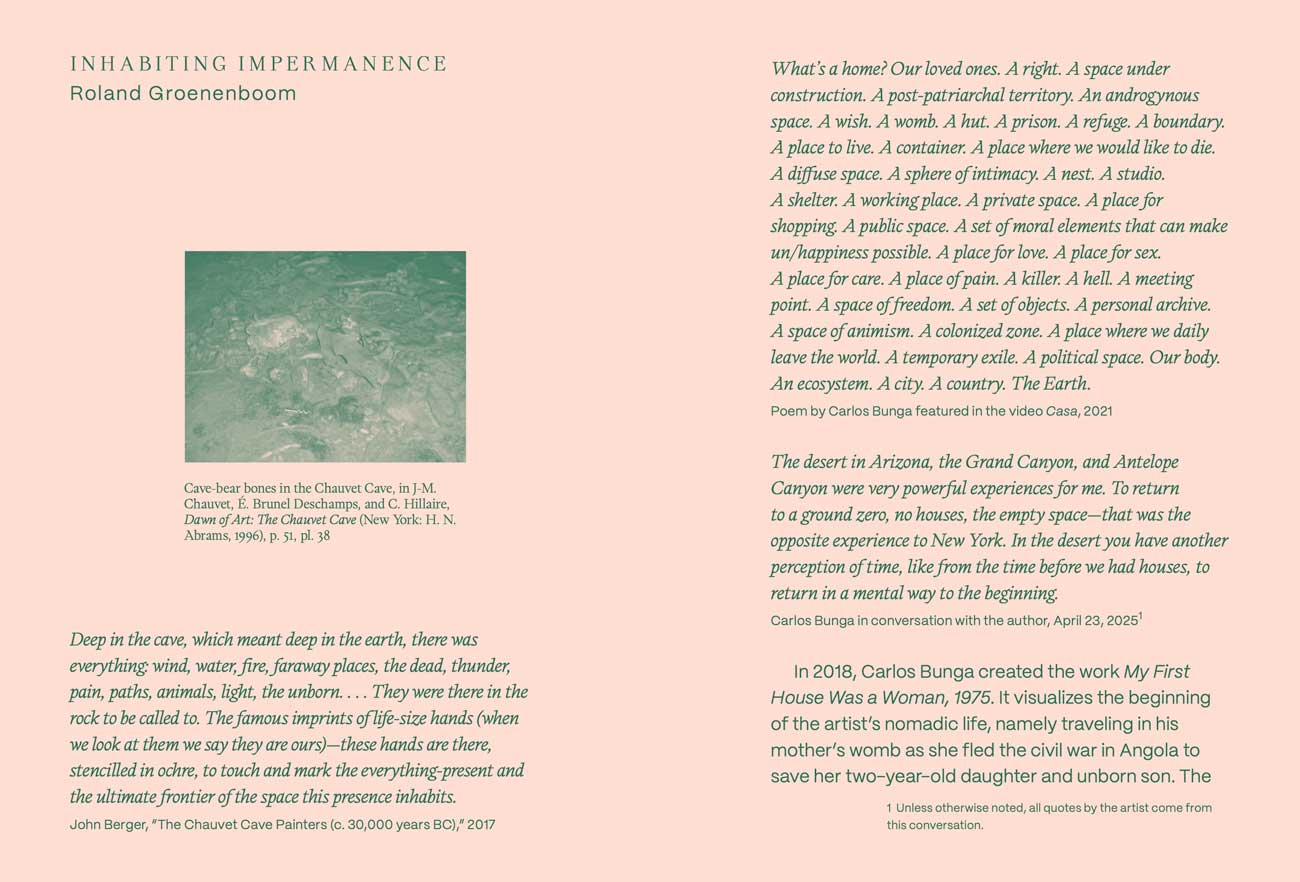
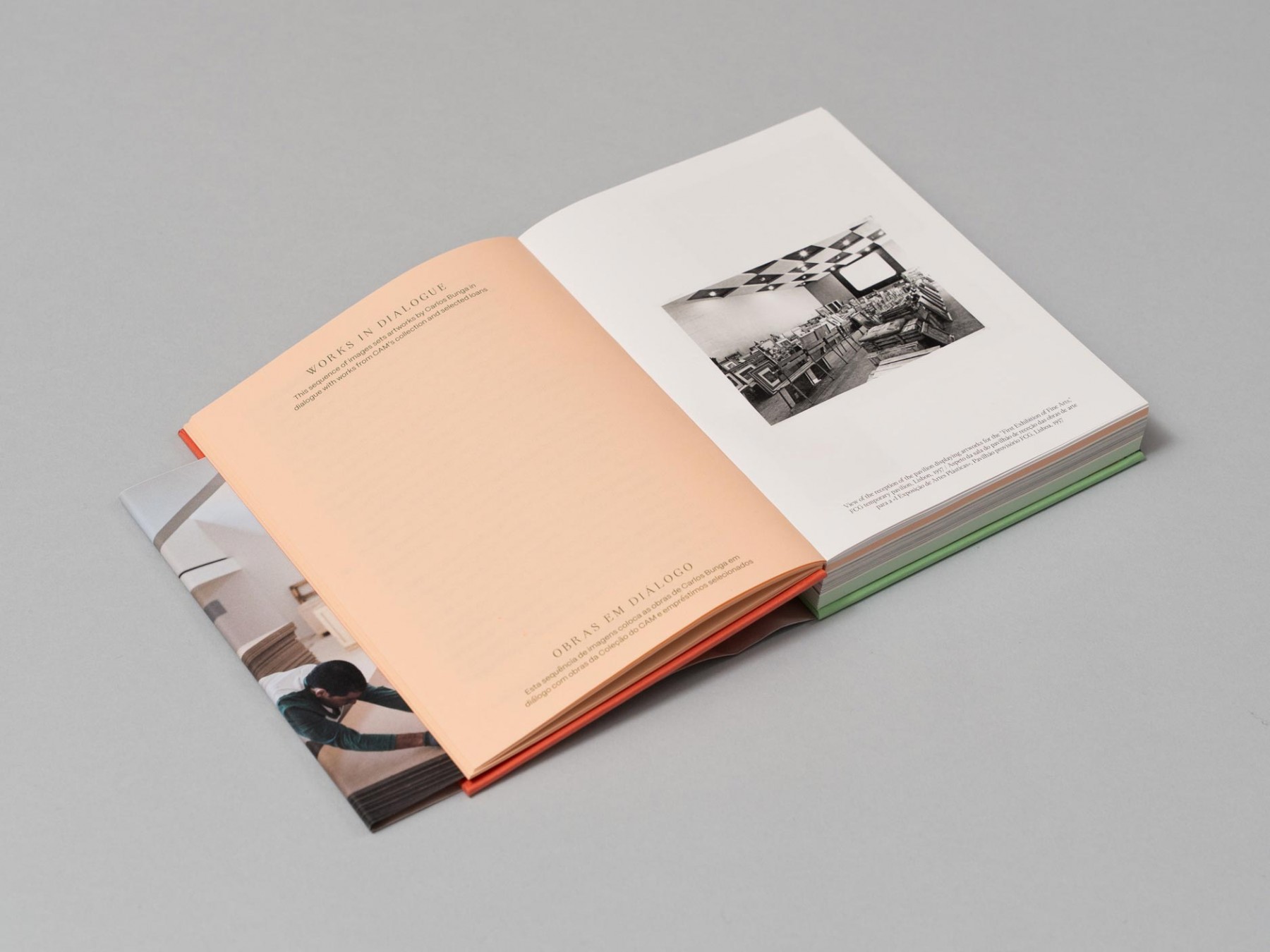
The book contains notes by the exhibition curator and catalogue editor, Rui Mateus Amaral, who introduces readers to the exhibition project, providing an in-depth account of its genesis and development, focusing on the dialogue between Bunga’s work and selected pieces from the CAM collection. The notes describe both Bunga’s new and existing works, as well as their configuration within the space, with the intention of opening up multiple points of access to the exhibition, leaving room for individual interpretation.
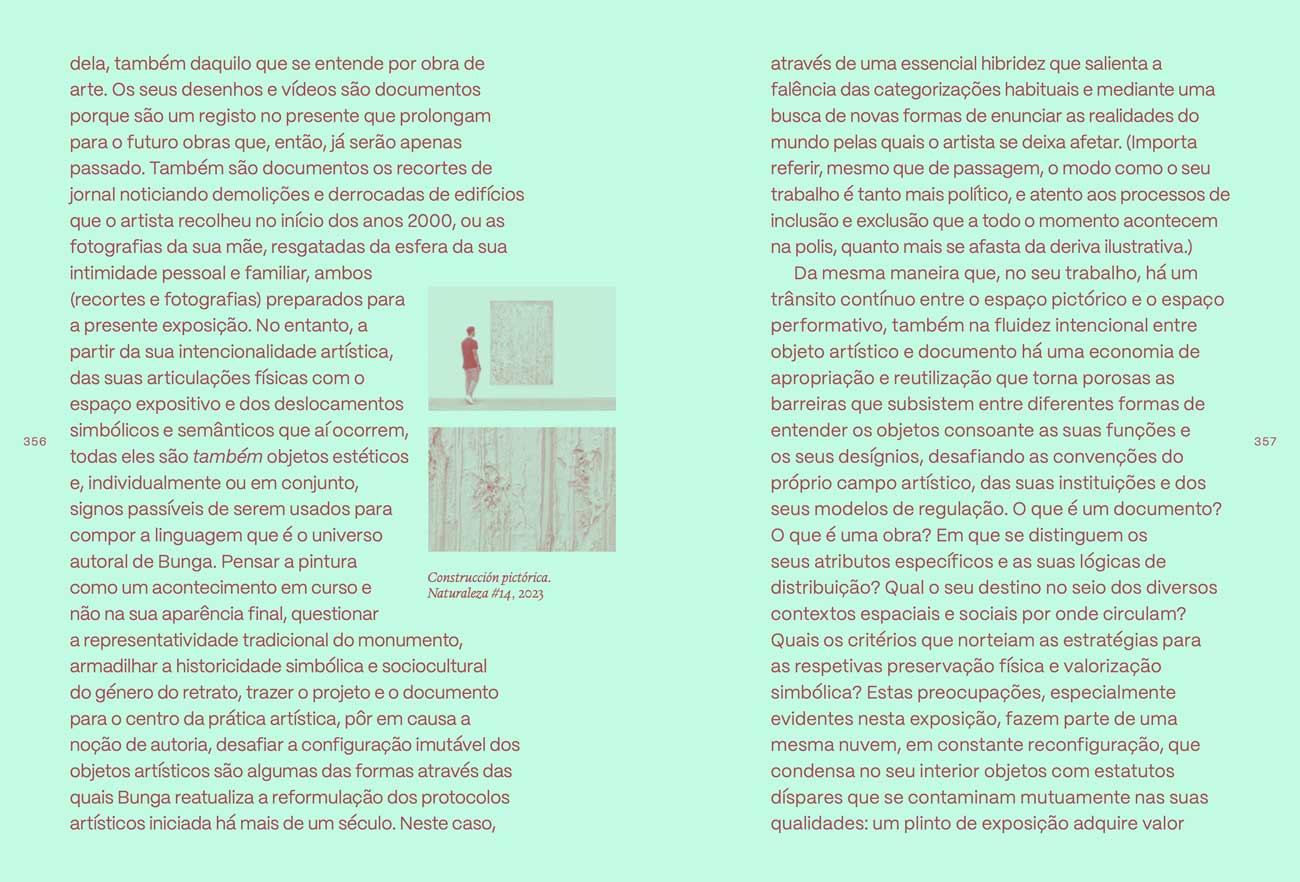
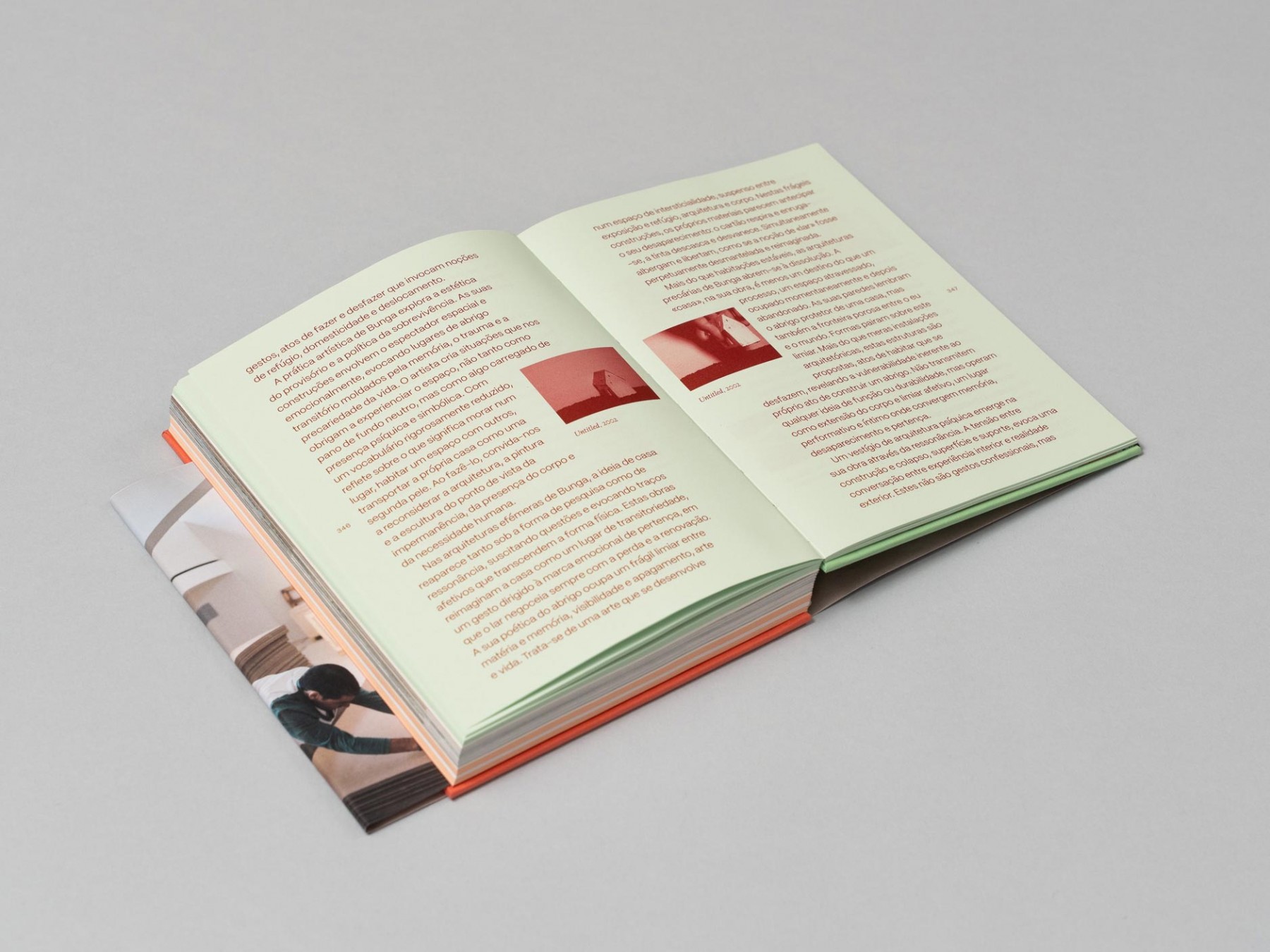
Designed by as ilhas studio, the catalogue also contains new essays by various authors written especially for the occasion—Rina Carvajal, Roland Groenenboom, Omar Kholeif, November Paynter, and Catarina Rosendo—each offering an in-depth look at salient aspects of the artist’s multifaceted practice.
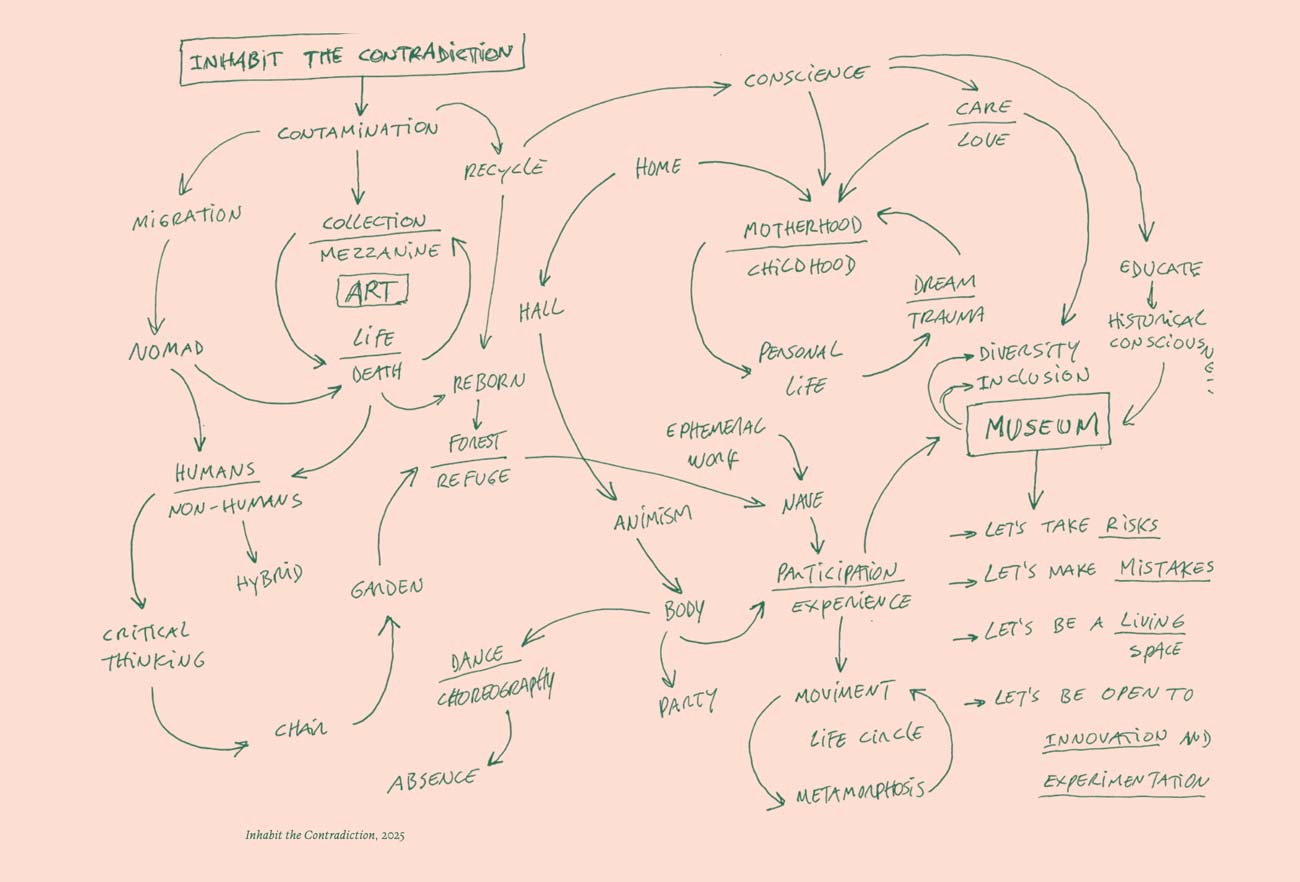
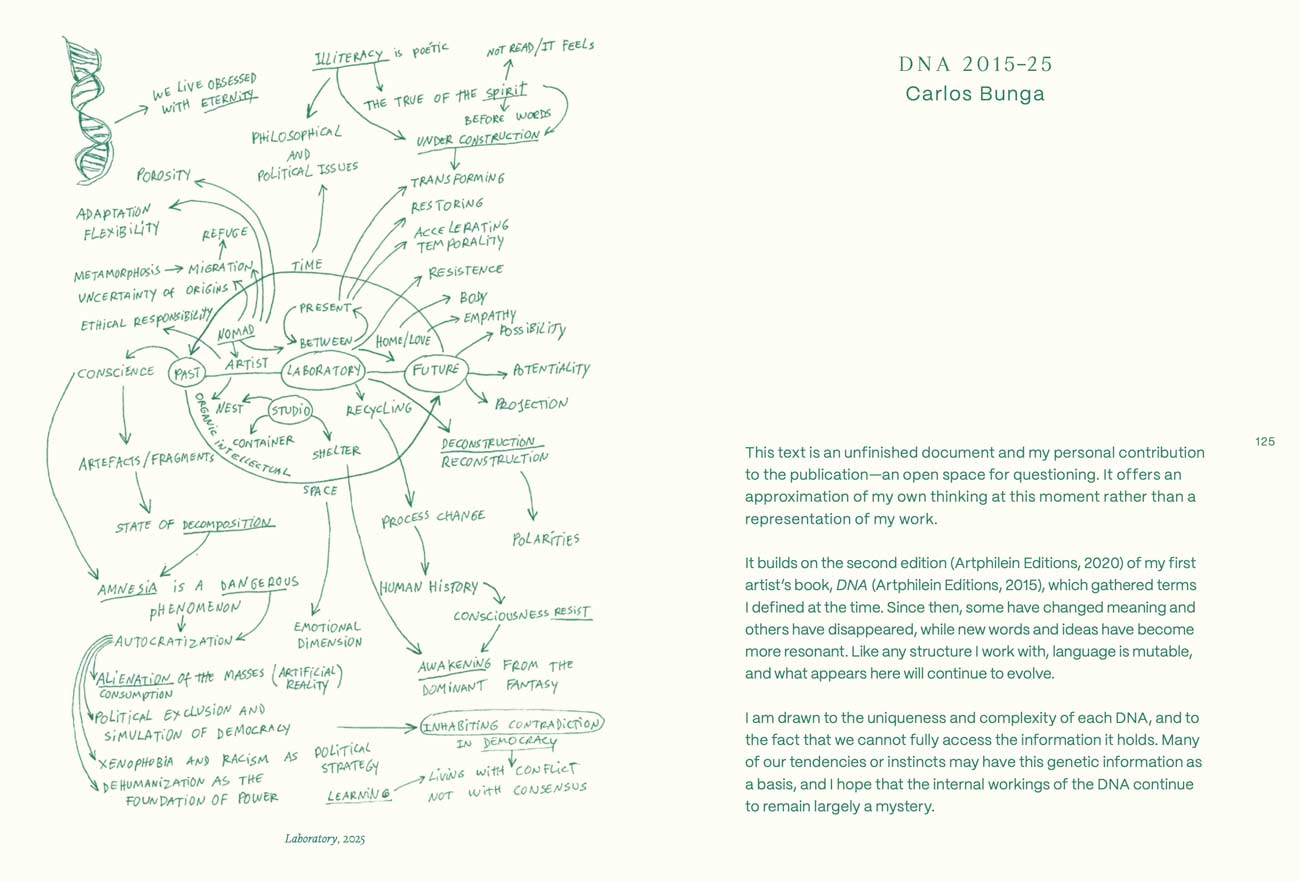
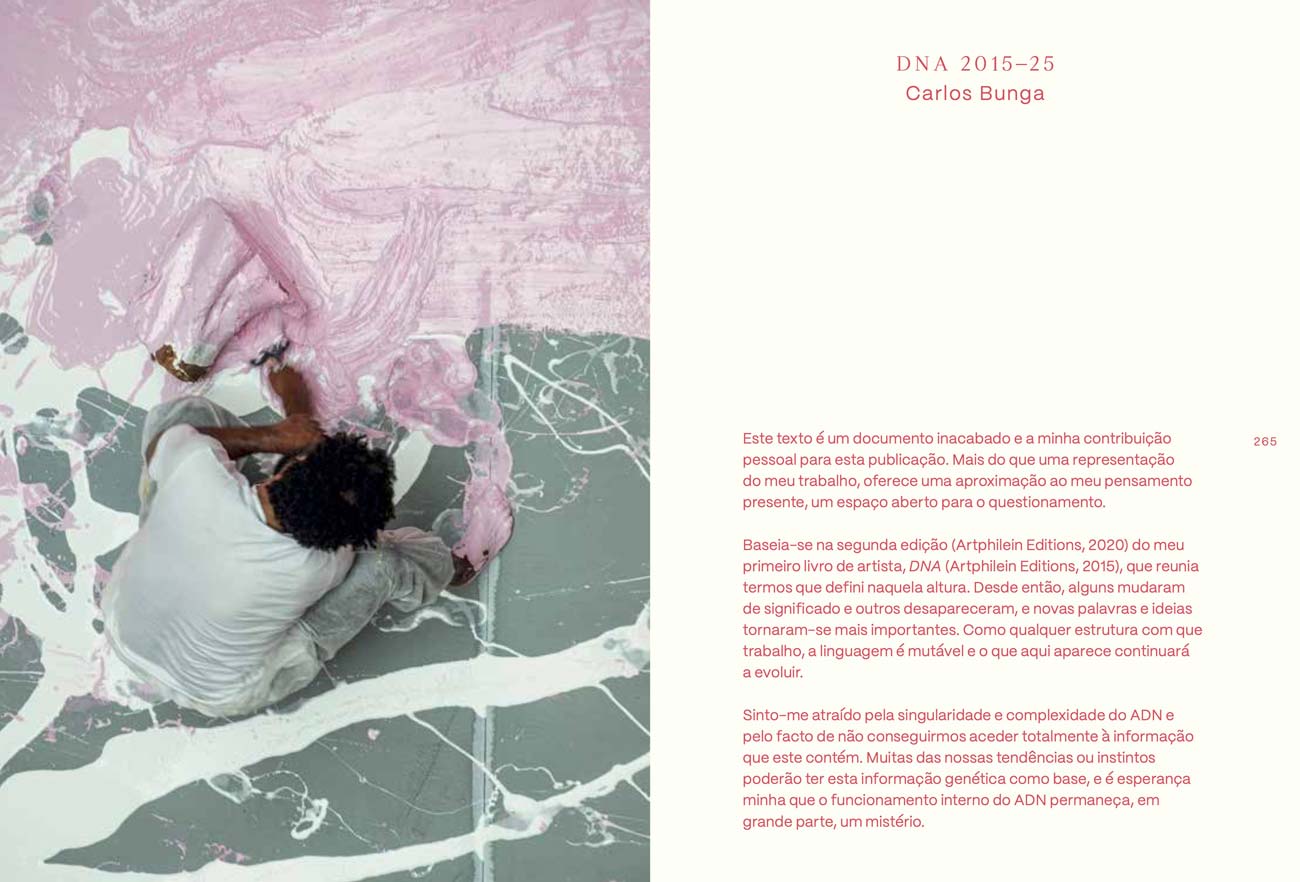
The content is complemented by DNA 2015–25, a dictionary-style text that Bunga began in 2015 and adapted for this publication. The terms, which the artist defines in his own unique way, are keywords that allow the reader to enter into Bunga’s current thought process, and into his particular approach to the world of art.
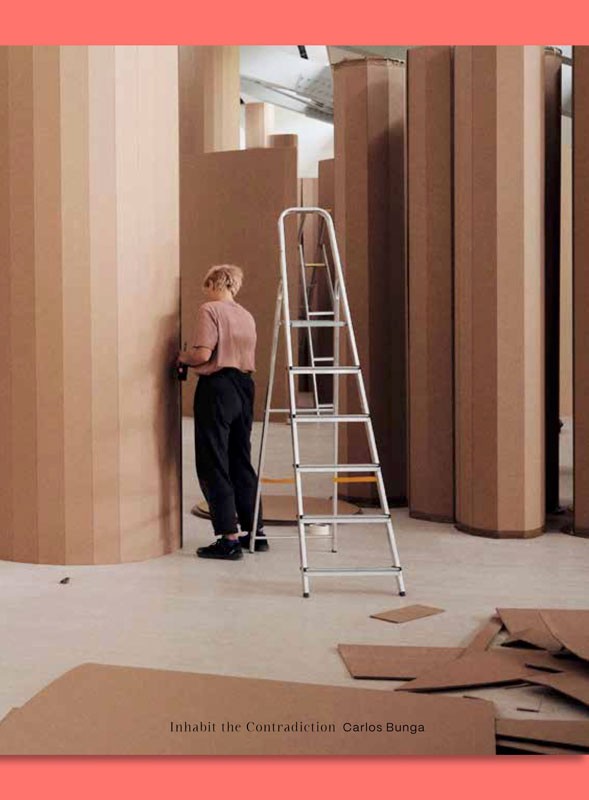
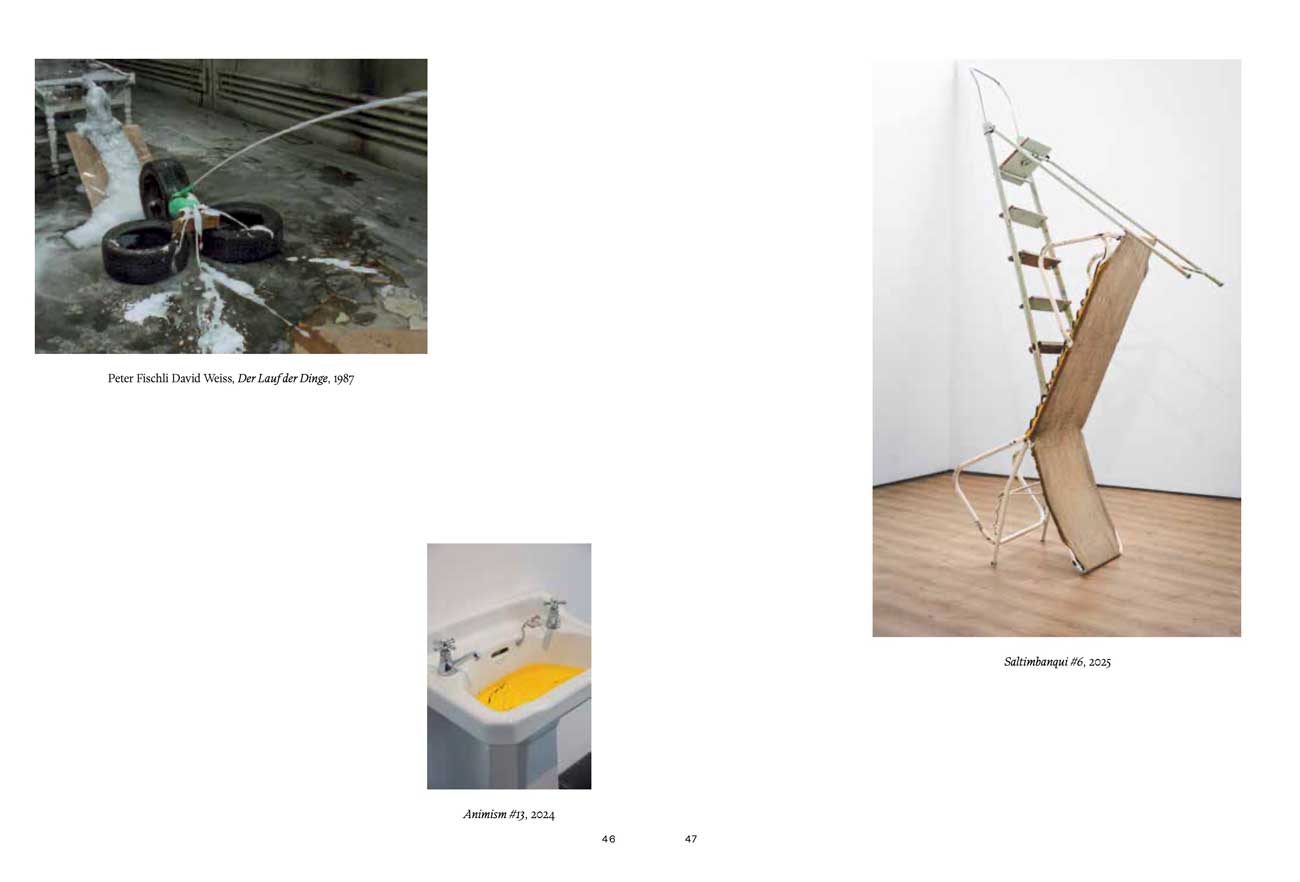
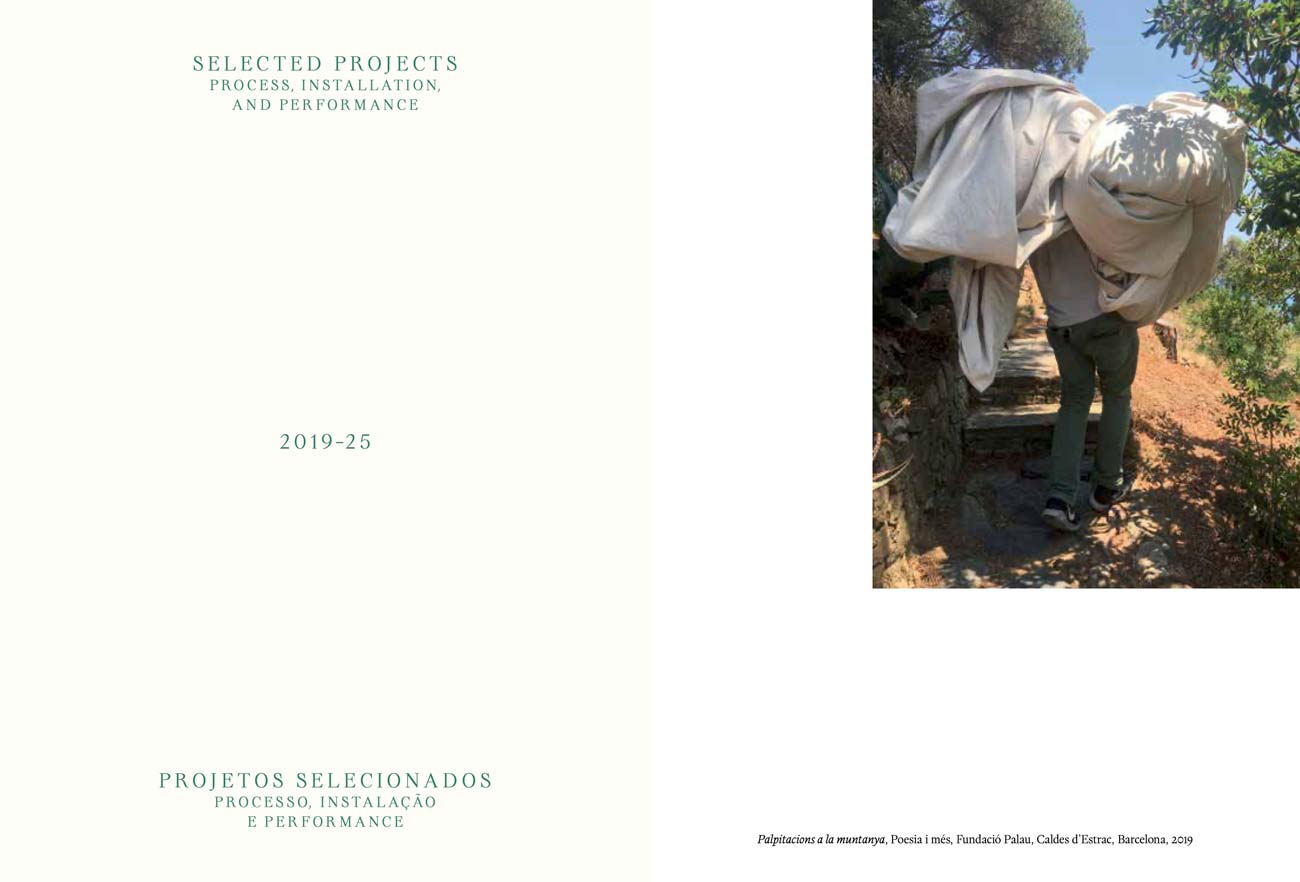
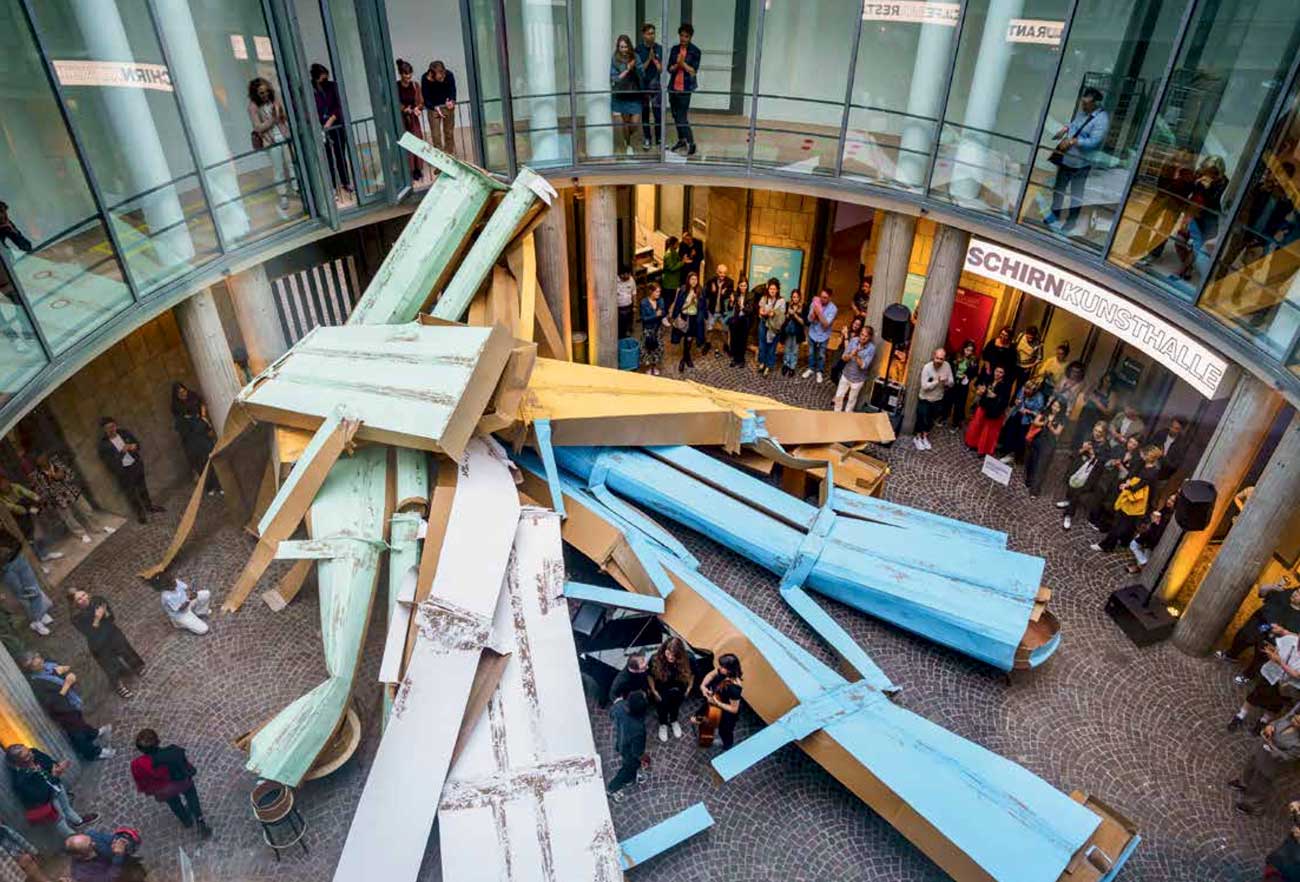
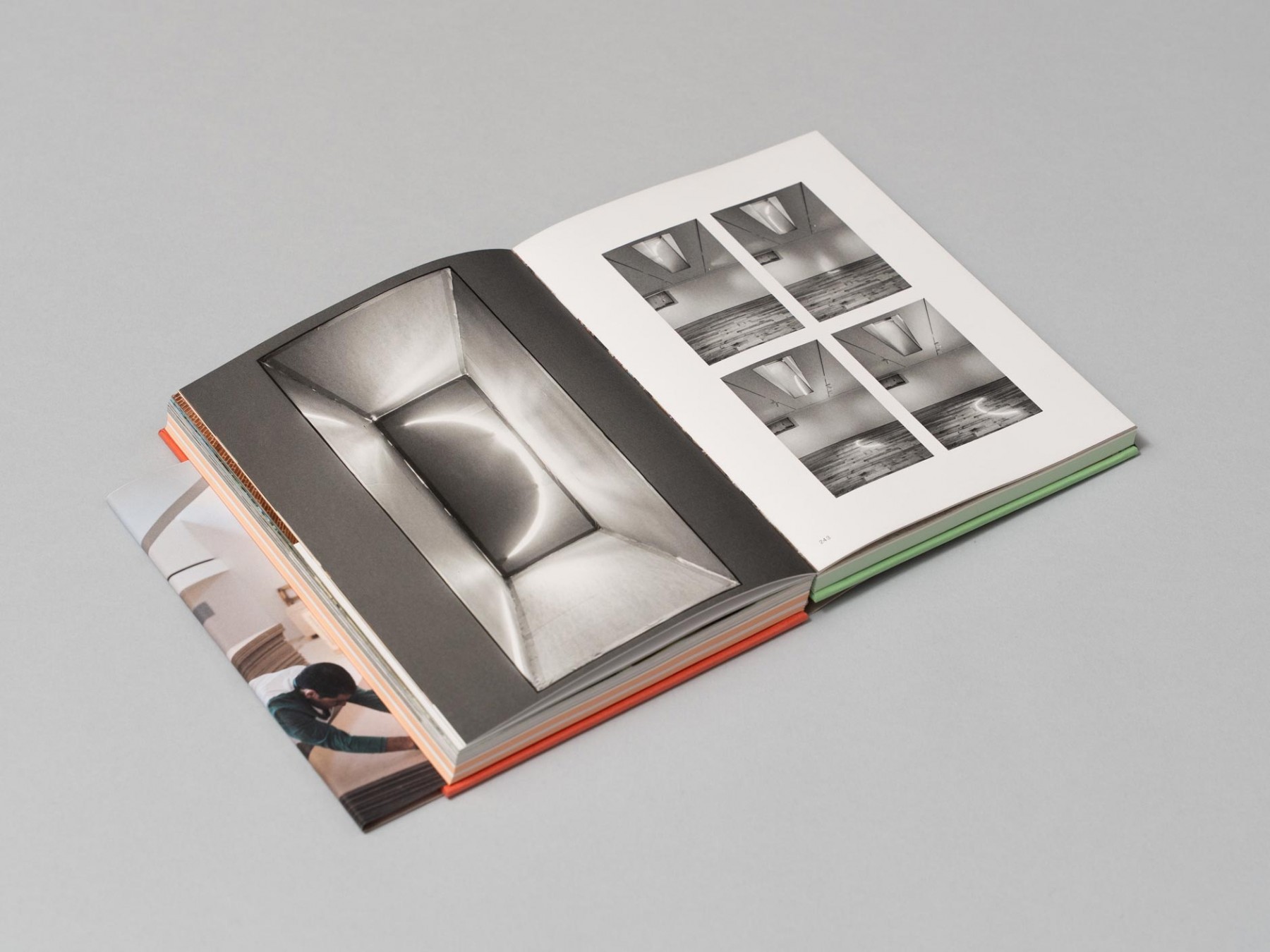
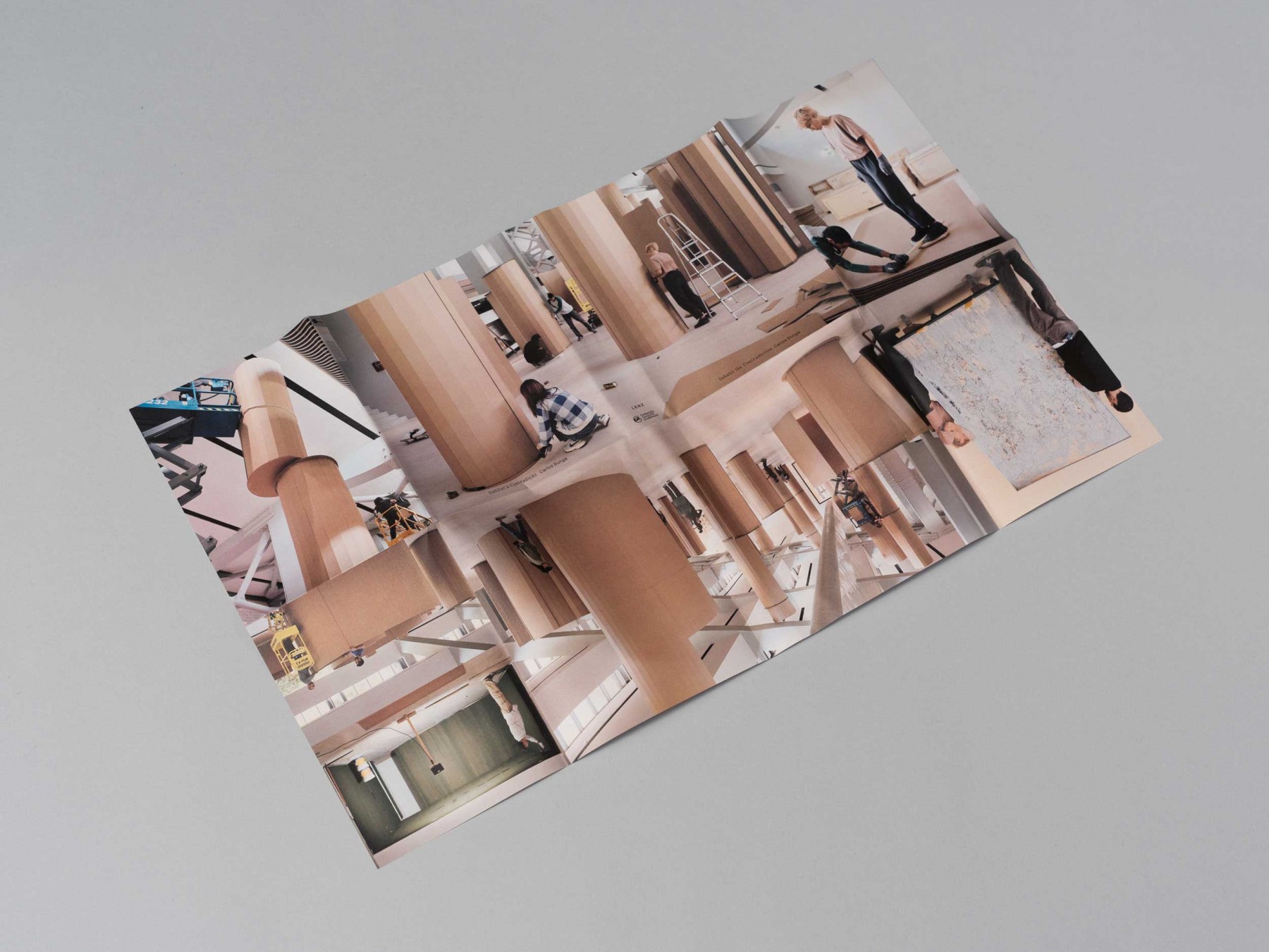
The book also contains a rich picture section, mainly dedicated to site-specific works and performances: a series of installation views, video stills, and performance views alternate with photographs, published for the first time, documenting the installation and assembly process of numerous exhibitions and works. Like a slide show, this image gallery offers a unique and generous insight into Bunga’s working method through the main projects the artist has worked on between 2019 and 2025. The poster enveloping the book completes the documentation, providing a snapshot of the installation of Inhabit the Contradiction at CAM – Gulbenkian, Lisbon.