Pardon Façade documents the artistic output of Luca Monterastelli, showcasing almost all of the sculptures and installations that he produced between 2011 and 2022. Across four chapters—corresponding to four solo shows that he staged in Milan, Otegem, Antwerp, and Naples—the publication provides the first overview of the artist’s work.
More than half a century after its premiere, Yvonne Rainer, in collaboration with choreographer and dancer Emily Coates, directed the 2019 revival of her 1965 performance Parts of Some Sextets. This book poses questions about the trajectories of artworks, performers, and audiences, all while tracing the life—and afterlife—of a dance.
How does technology organize life? This book documents and reflects on the exhibition Proof of Stake: Technological Claims at Kunstverein in Hamburg, curated by Simon Denny and Bettina Steinbrügge. It brings together a unique group of artists and scholars who investigate the technological apparatuses and power relations of organized life.
This artist’s first monograph brings together sketches, documentation and installation shots, as well as an in-depth analysis of her practice. It highlights her process of making art, from the conception of an idea to the finished work, and from the deconstruction and re-assembling of her characters’ identities to the relentless creation of new worlds.
Published on the occasion of the first exhibition in Italy by Jenna Gribbon, staged at the Collezione Maramotti, Mirages showcases a wealth of images that highlight the fluid, sensual output of this artist who, in repeatedly portraying her wife, the musician Mackenzie Scott (aka TORRES), explores the implications inherent in seeing and being seen.
The catalogue of this ambitious project, held at the Centre d’Art Contemporain Genève in 2017, reflects on the centrality of writing in contemporary visual art practices. Documenting its slippages from printed matters to the digital realm, from voice modulations to its sculptural presence, this book celebrates the word in all its forms.
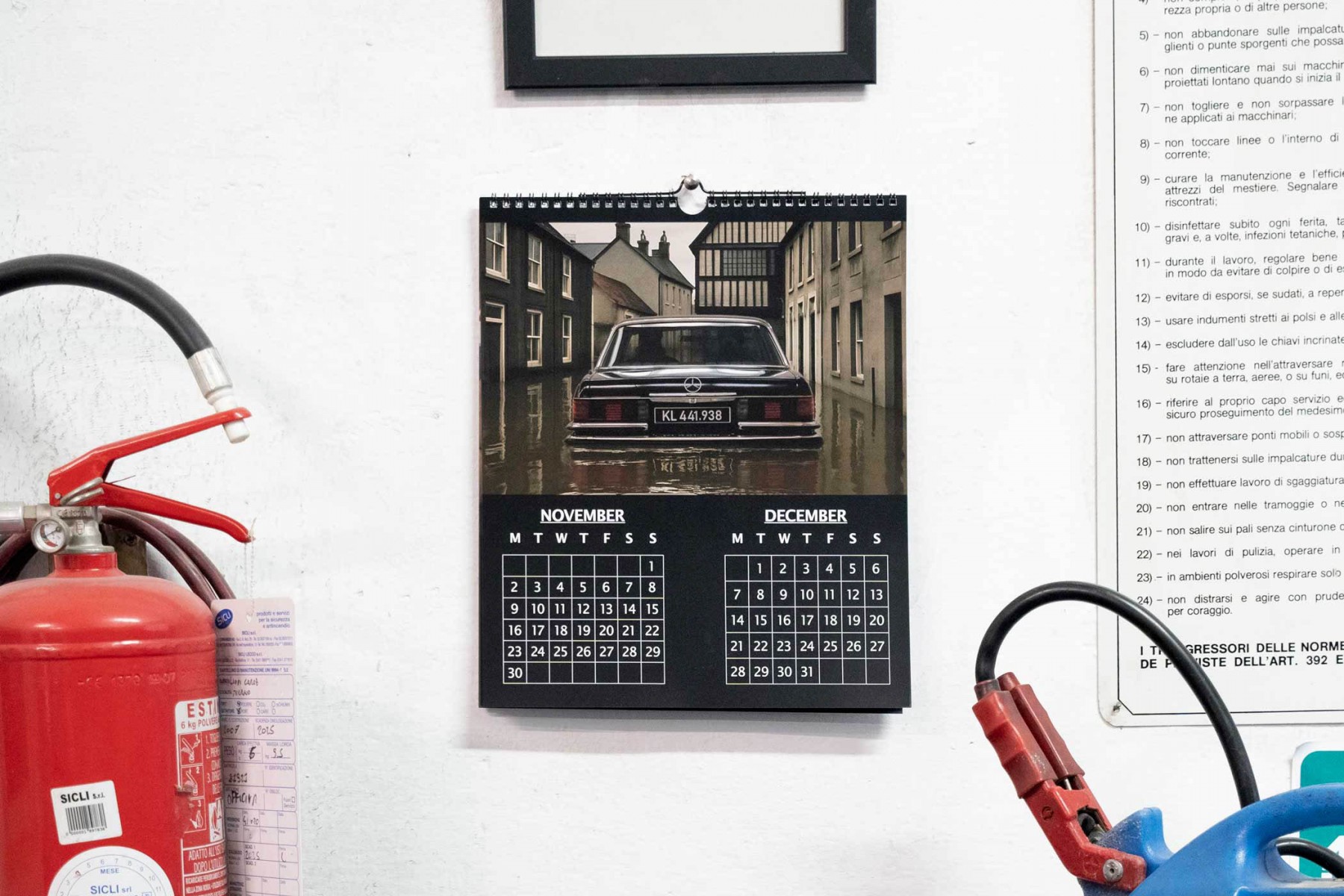
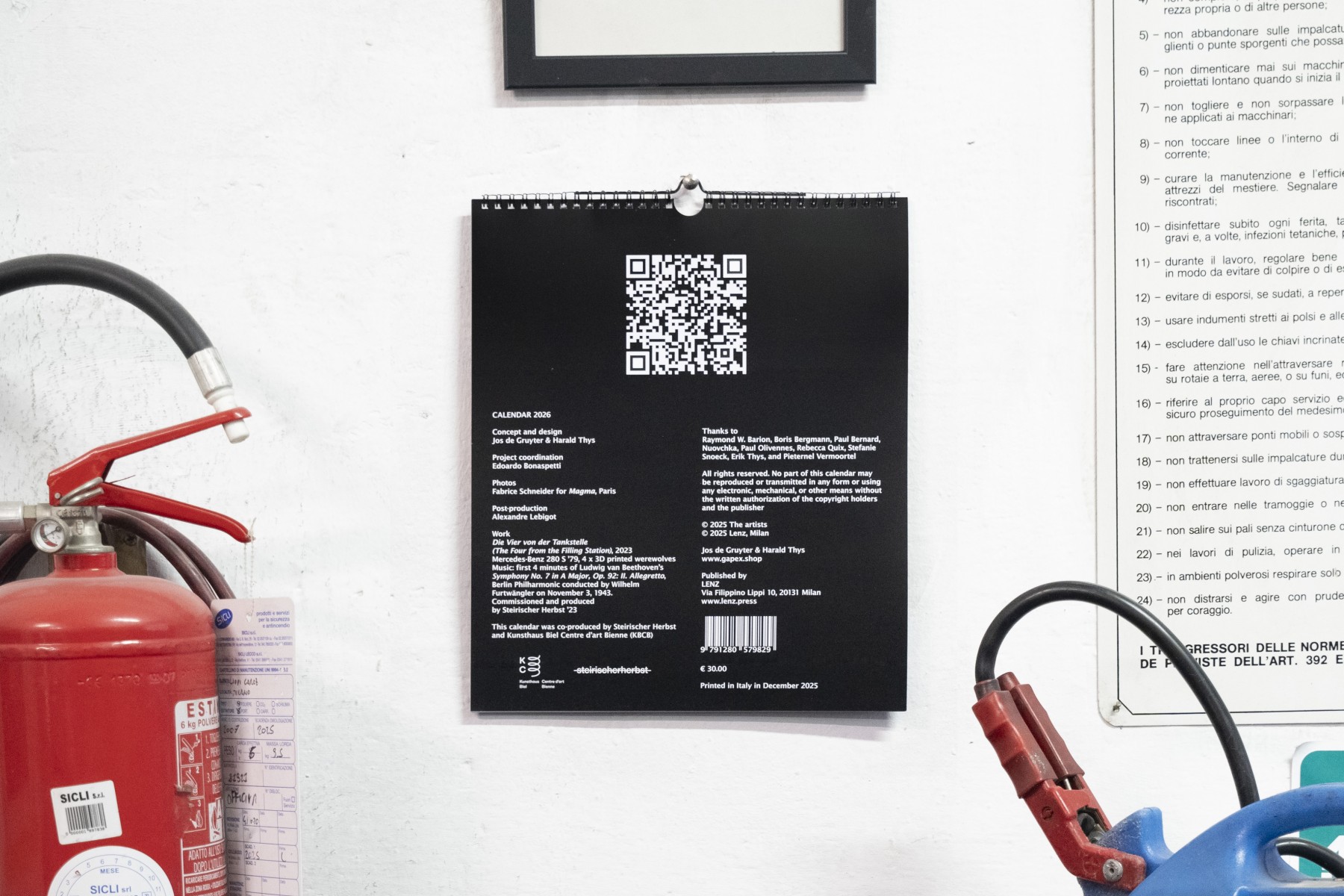
Concept and design
Jos de Gruyter & Harald Thys
Co-produced by Steirischer Herbst and Kunsthaus Biel Centre d’art Bienne (KBCB)
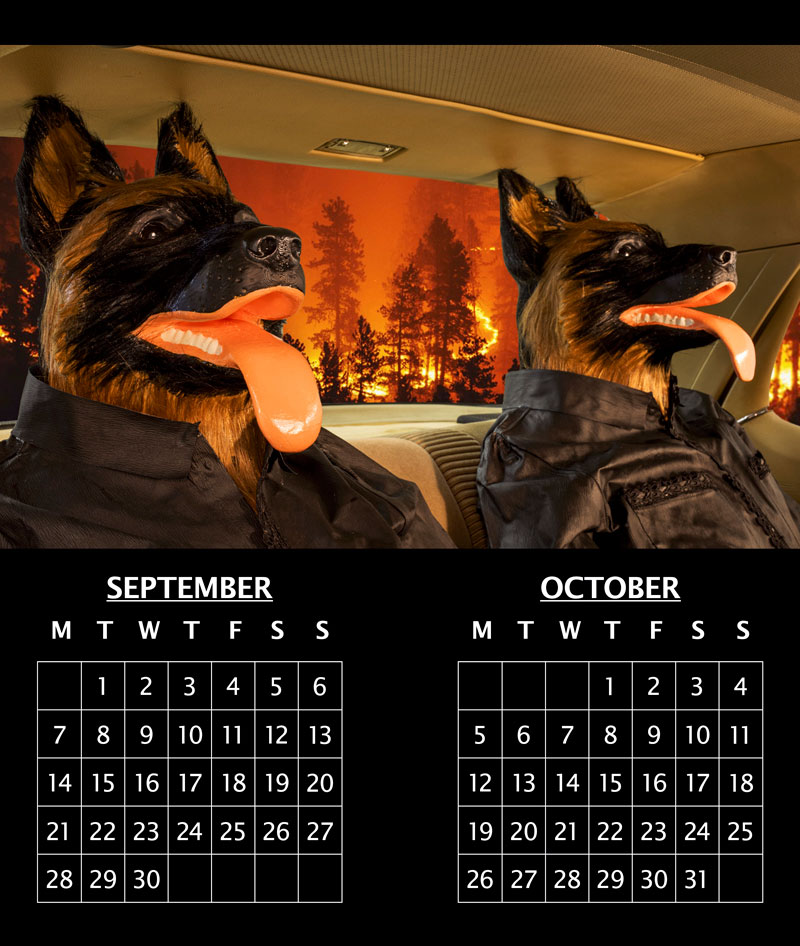
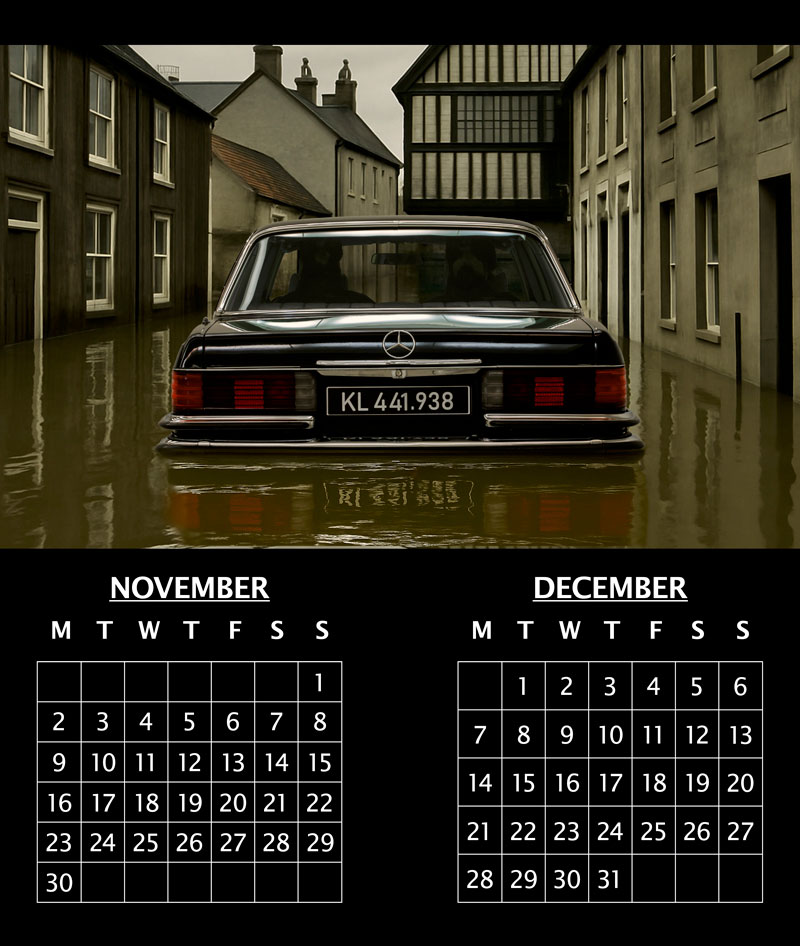
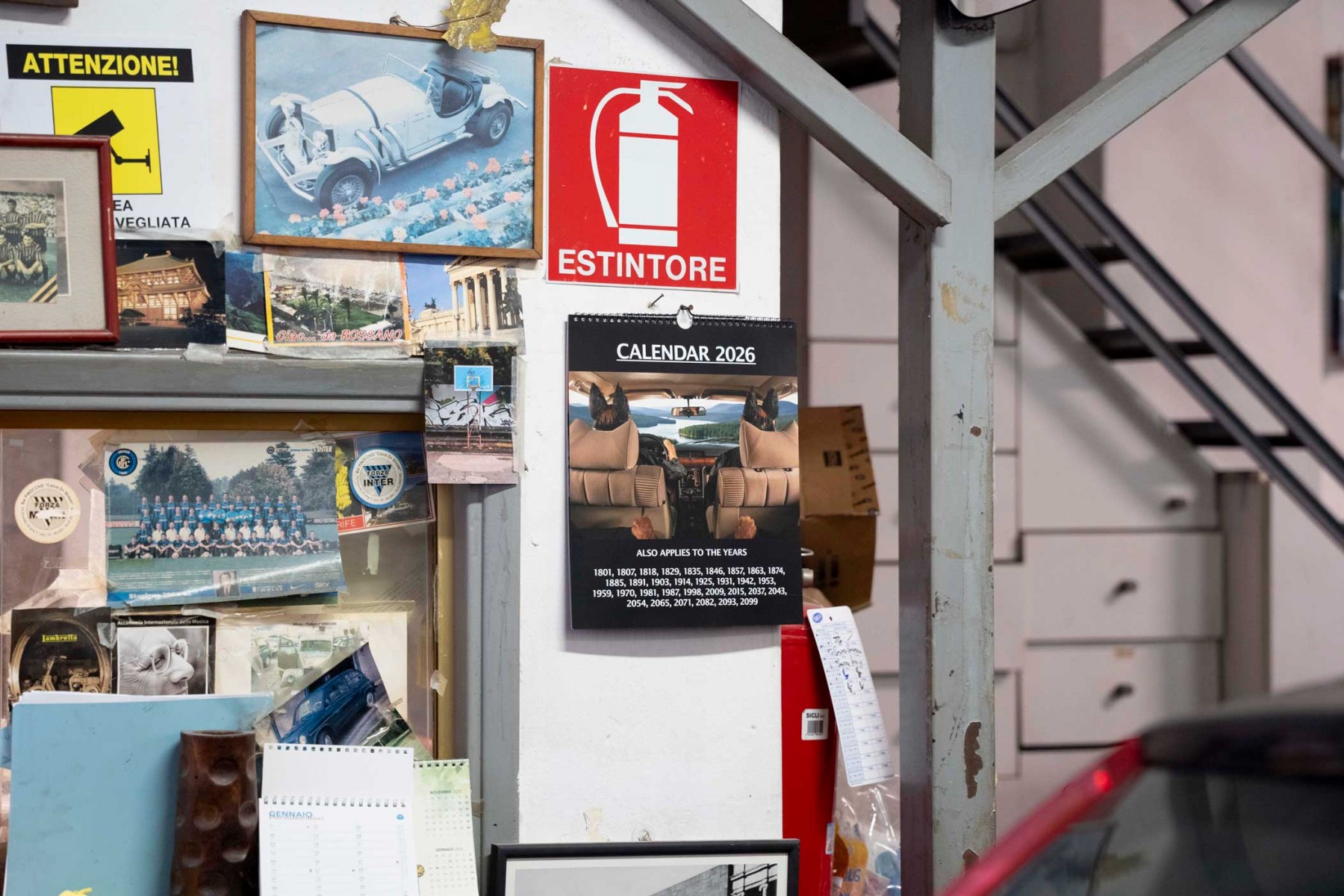
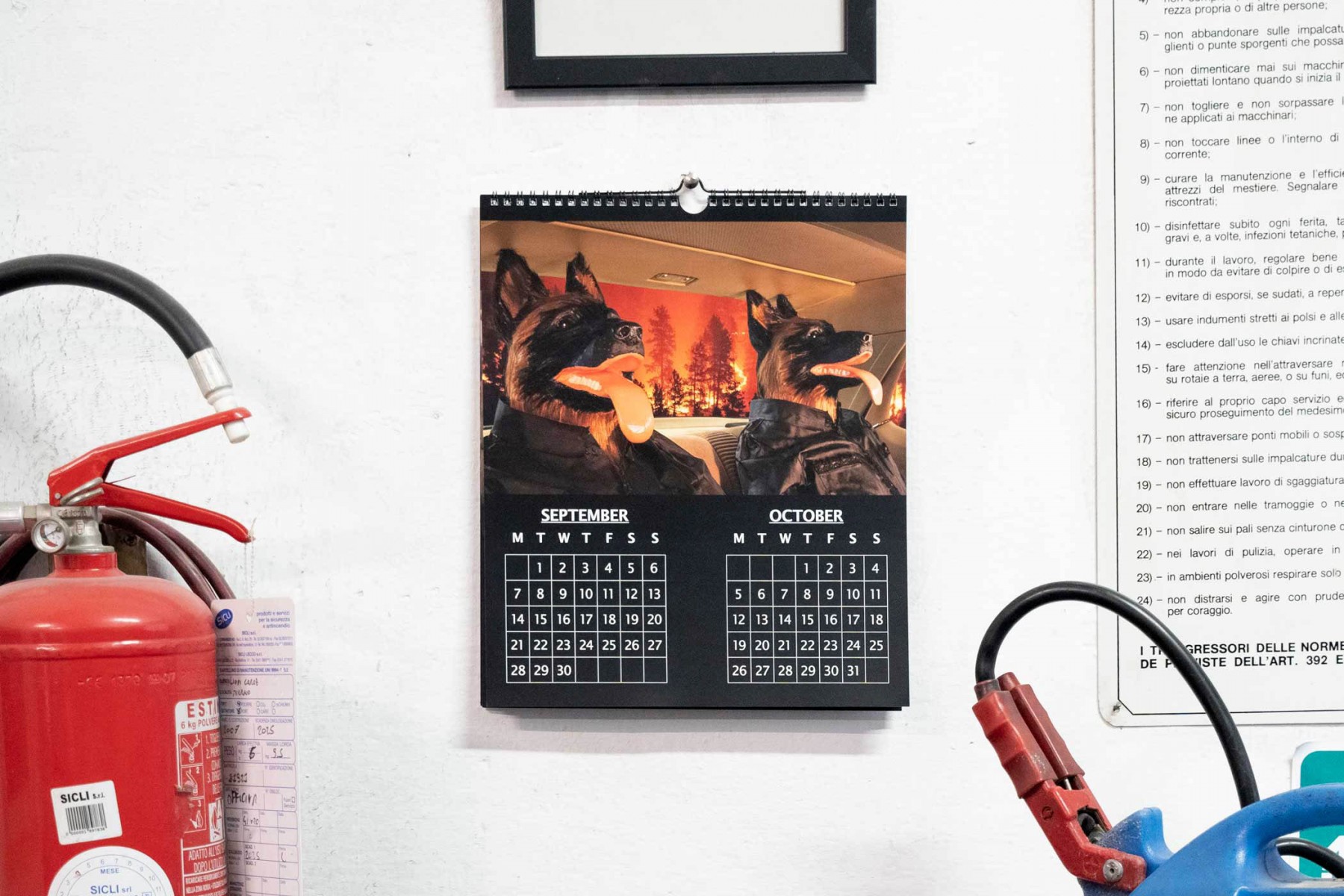
2026, English, Spiral-bound, 28 x 33 cm, 7 pages
ISBN 9791280579829
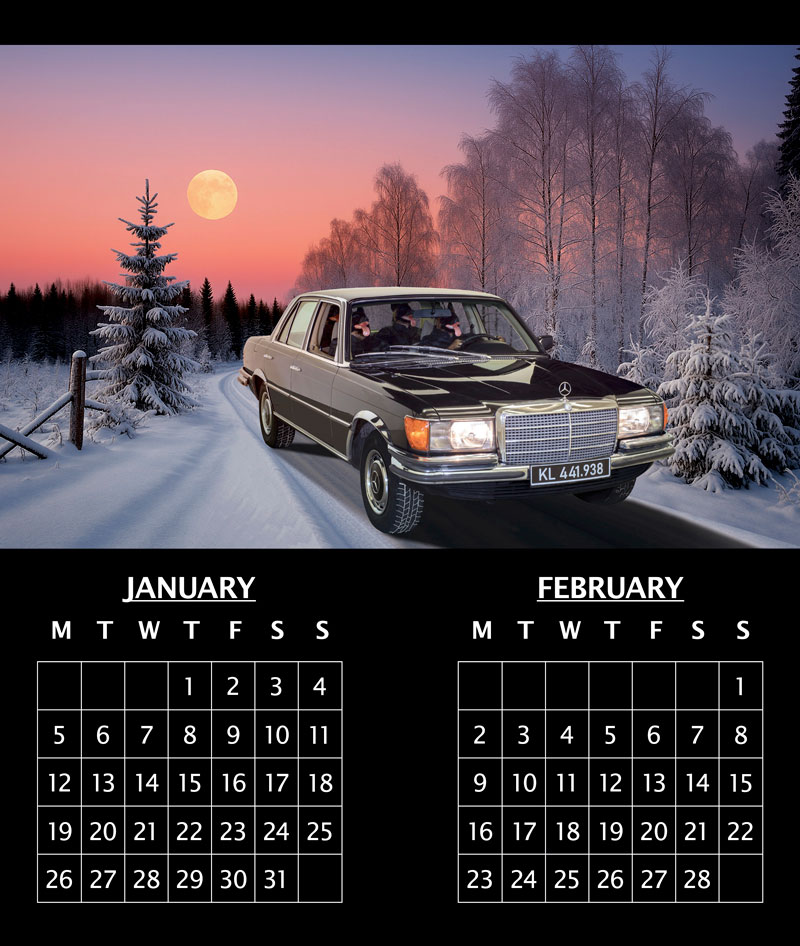
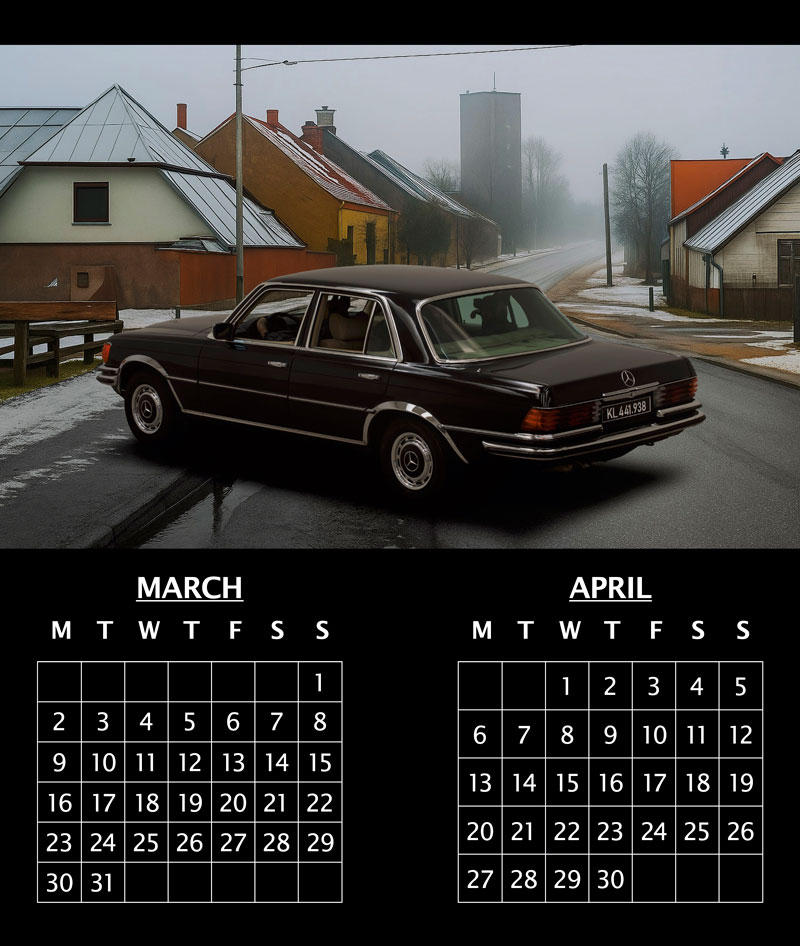
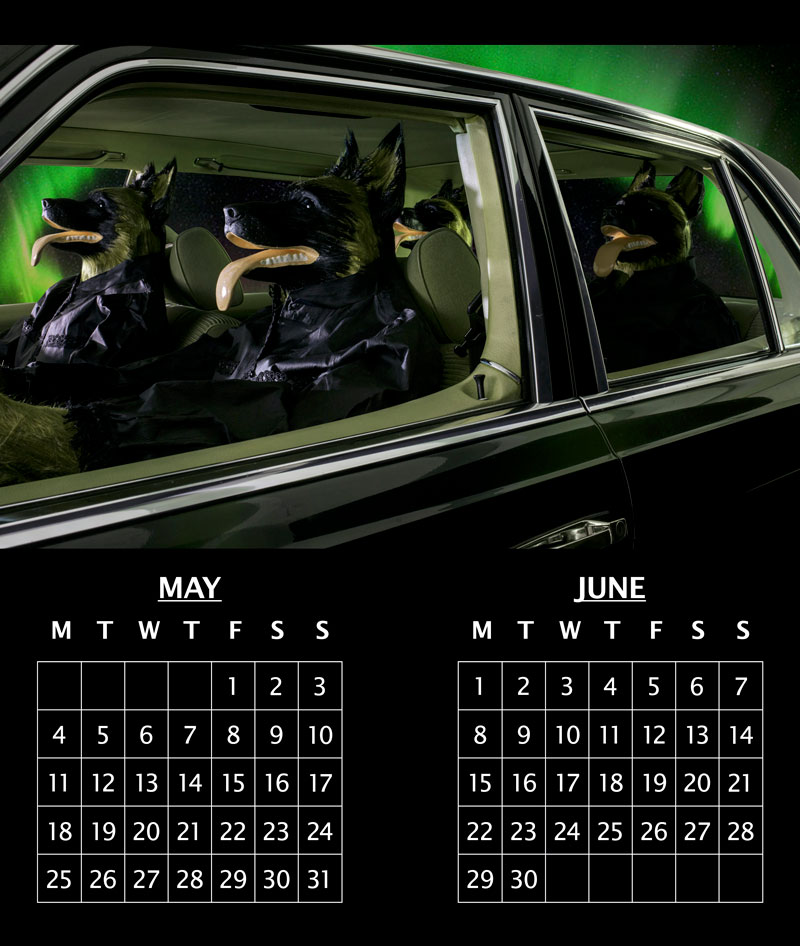
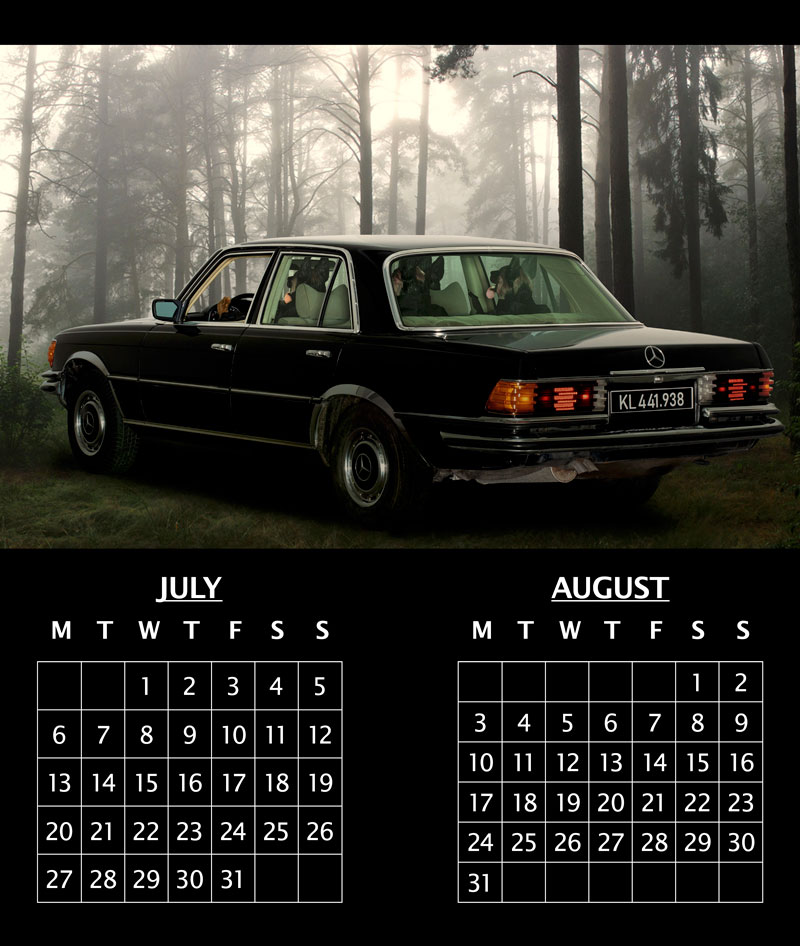
For years now, the Die Vier von der Tankstelle (Four from the Gas Station) have been roaming across an area stretching out to the south of the Baltic Sea.
From Bremerhaven in the west to Kaliningrad in the east.
They prowl their way through sparsely populated areas, frightening and wantonly terrorizing isolated communities in small villages.
They yell at passersby, molest the elderly and children, smash windows, and set fires all over the place.
Once the villagers have barricaded themselves in their homes and are anxiously waiting to see what is going to happen, the Die Vier von der Tankstelle move on.
Roaring with laughter, they continue their journey, doing so purely for their own enjoyment. Their actions are completely pointless and are likely to be repeated, as they may well return time and again.