Between an artist’s book and a catalogue, this publication follows up on Armleder’s multidimensional exhibition at KANAL in 2020–21. Through archival pictures and in depth conversations, the book is designed to recreate the immersive experience of this collective experiment, and proposes a dive into something akin to a large self-portrait, conceived through the works of more than a hundred artists.
This artist’s book reflects Eva & Franco Mattes’ continued interest in the condition of displacement to be sensed in Fukushima. Borrowing the format of wrapping-paper catalogs, it contains twenty large pre-perforated sheets, each of which features a photographic texture—a seamlessly repeating motif captured by the camera amid the radioactive ruins of the contaminated towns and countryside.
The album brings together the music composed by Federico Chiari for various film and video works by Diego Marcon, including Monelle (2017), Ludwig (2018), The Parents’ Room (2021), and Dolle (2023). The album comes with a booklet containing lyrics and images that provide a deeper insight into this unique, profoundly intertwined collaboration between Chiari and Marcon.
This small anthology reviews some of the central themes of Diego Marcon’s research: from the role of the display in exhibitions to his relationship with cinema, from the use of special effects and animatronics to the sense of community established through his work. Glassa accompanies the exhibition of the same name designed by the artist for the spaces of the Centro per l’arte contemporanea Luigi Pecci in Prato.
Strata raccoglie 37 conversazioni con artisti il cui lavoro ha dato un contributo significativo alla scena artistica italiana e internazionale a partire dal 2000. Questo libro è il resoconto personale di una serie di incontri, amicizie e relazioni professionali che Vincenzo de Bellis e Alessandro Rabottini hanno coltivato negli ultimi vent’anni.
Strata compiles 37 conversations with artists whose work has made a significant contribution to the Italian and international art scene since 2000. This book is the personal account of a number of encounters, friendships, and professional relationships that Vincenzo de Bellis and Alessandro Rabottini have nurtured over the past twenty years.
Edited by Adriana Varejão, Helena de Freitas, and Victor Gorgulho
Authors: Elena Crippa, Raphael Fonseca, Helena de Freitas, Victor Gorgulho and Adriana Varejão
Designed by Lorenzo Mason Studio
2025, English, softcover, 24 x 32 cm, 152 pages
ISBN 979-12-80579-58-4
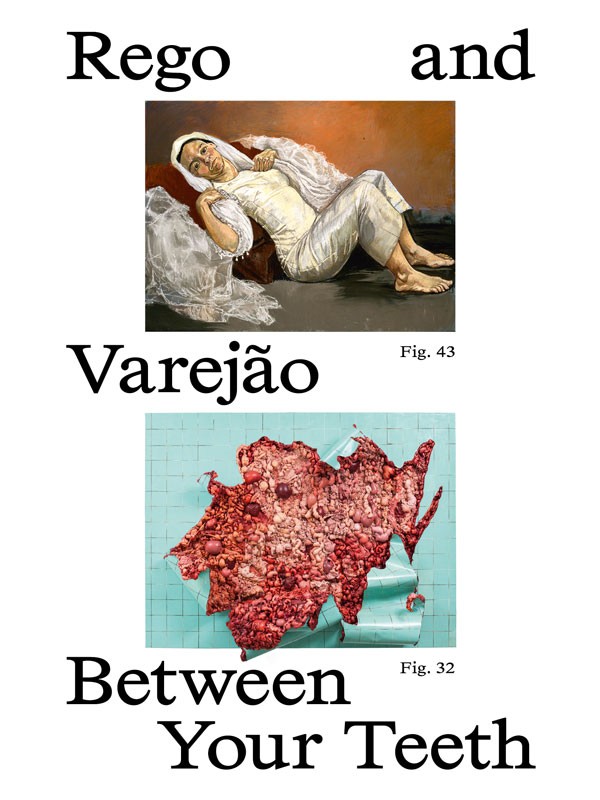
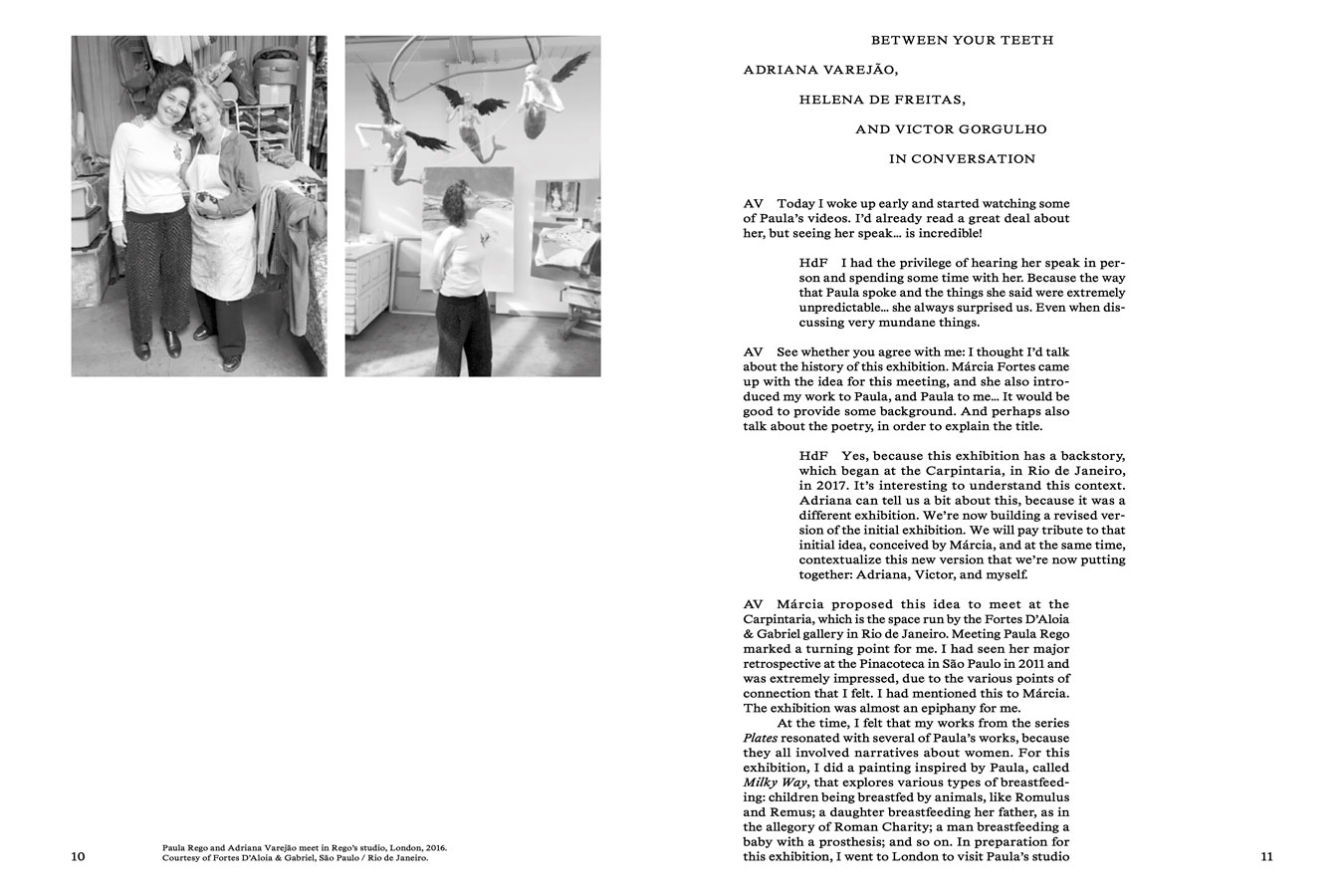
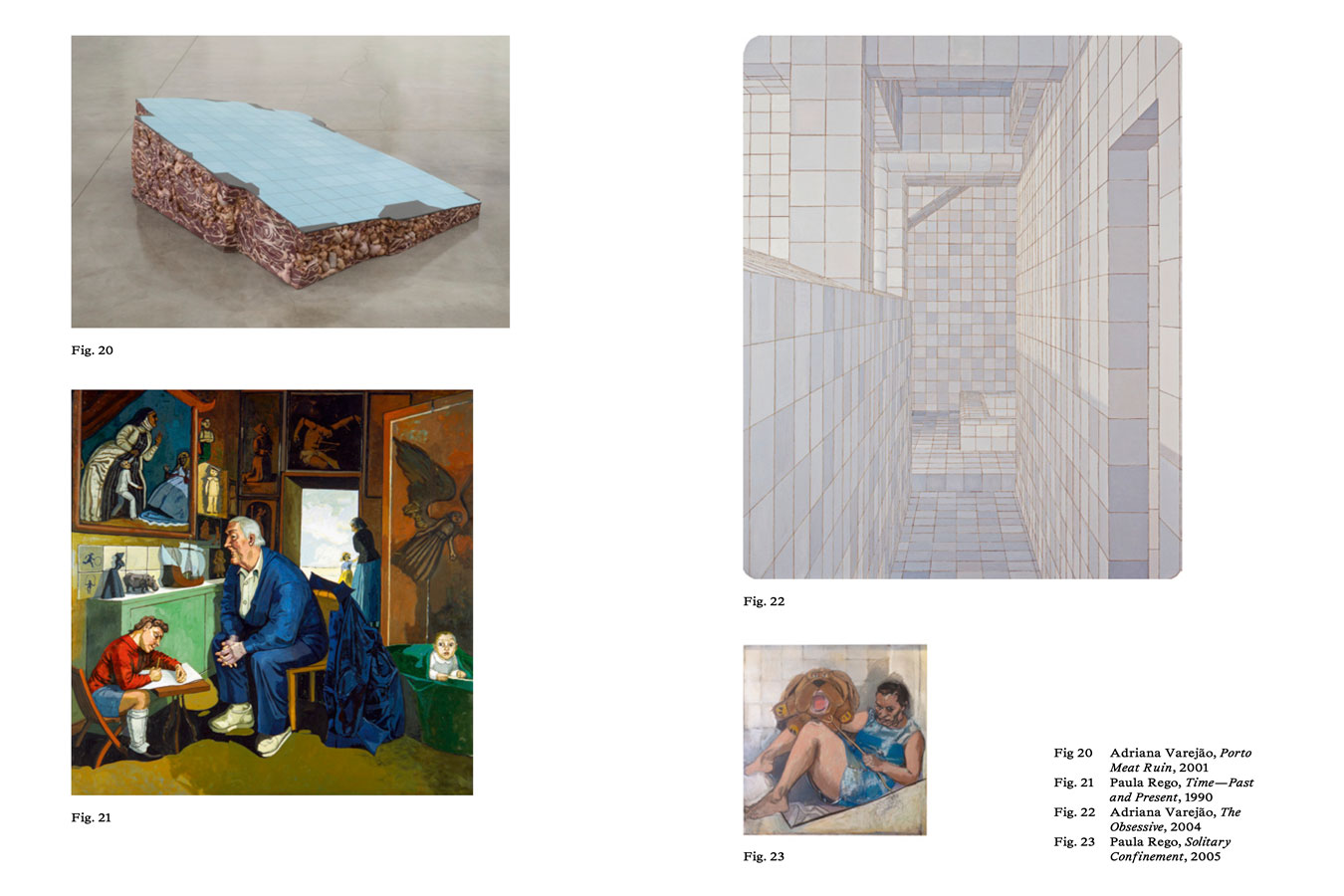
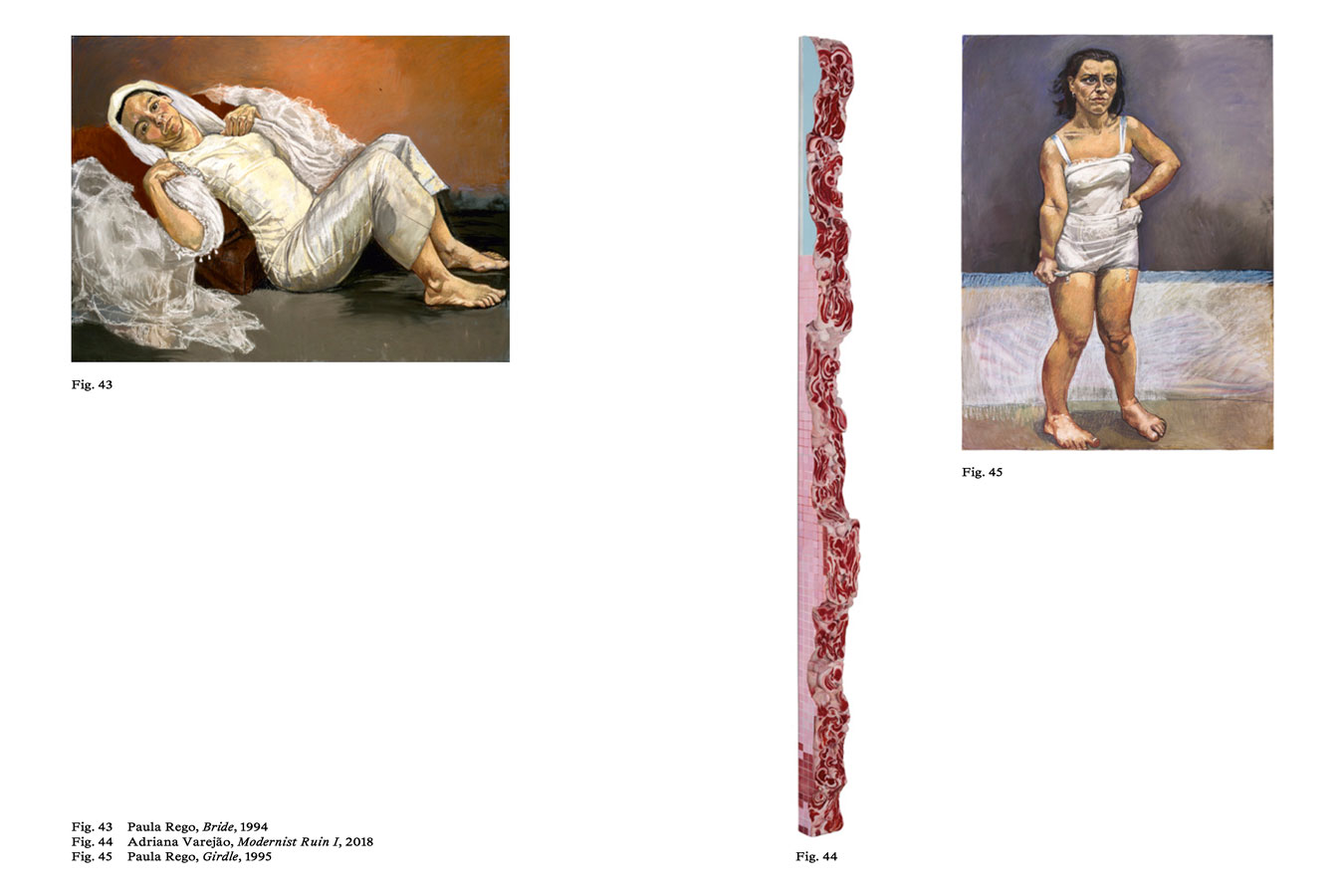
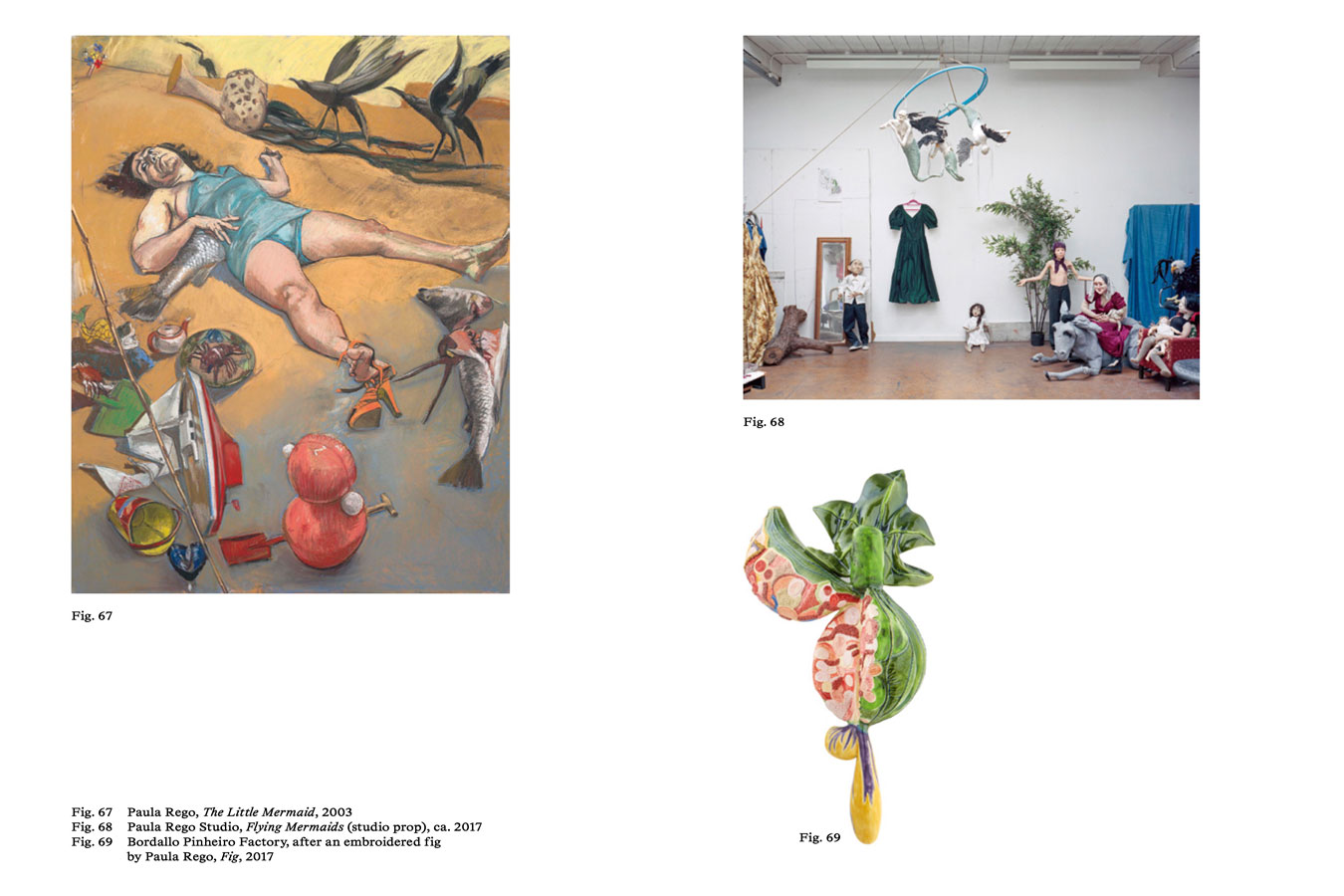
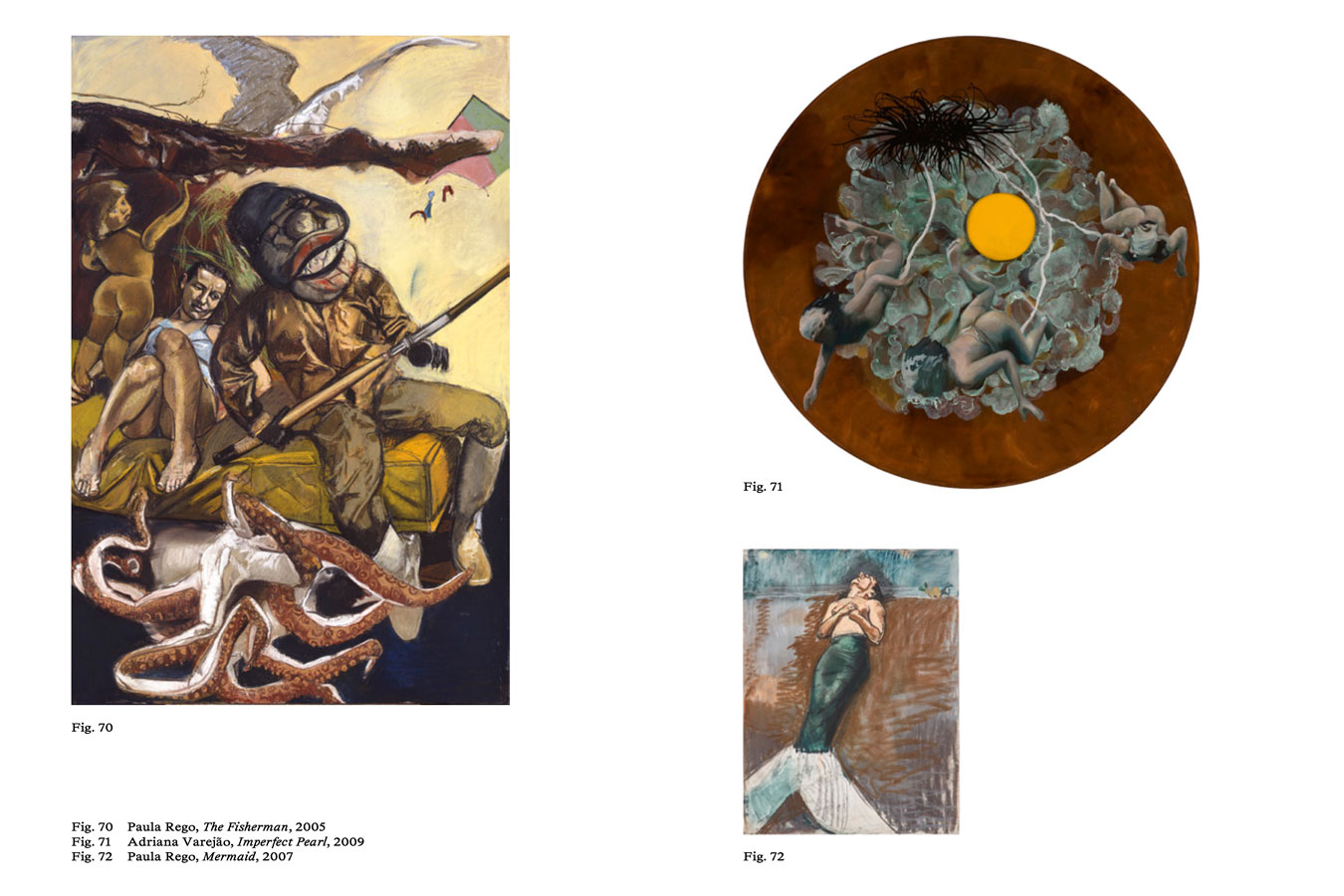
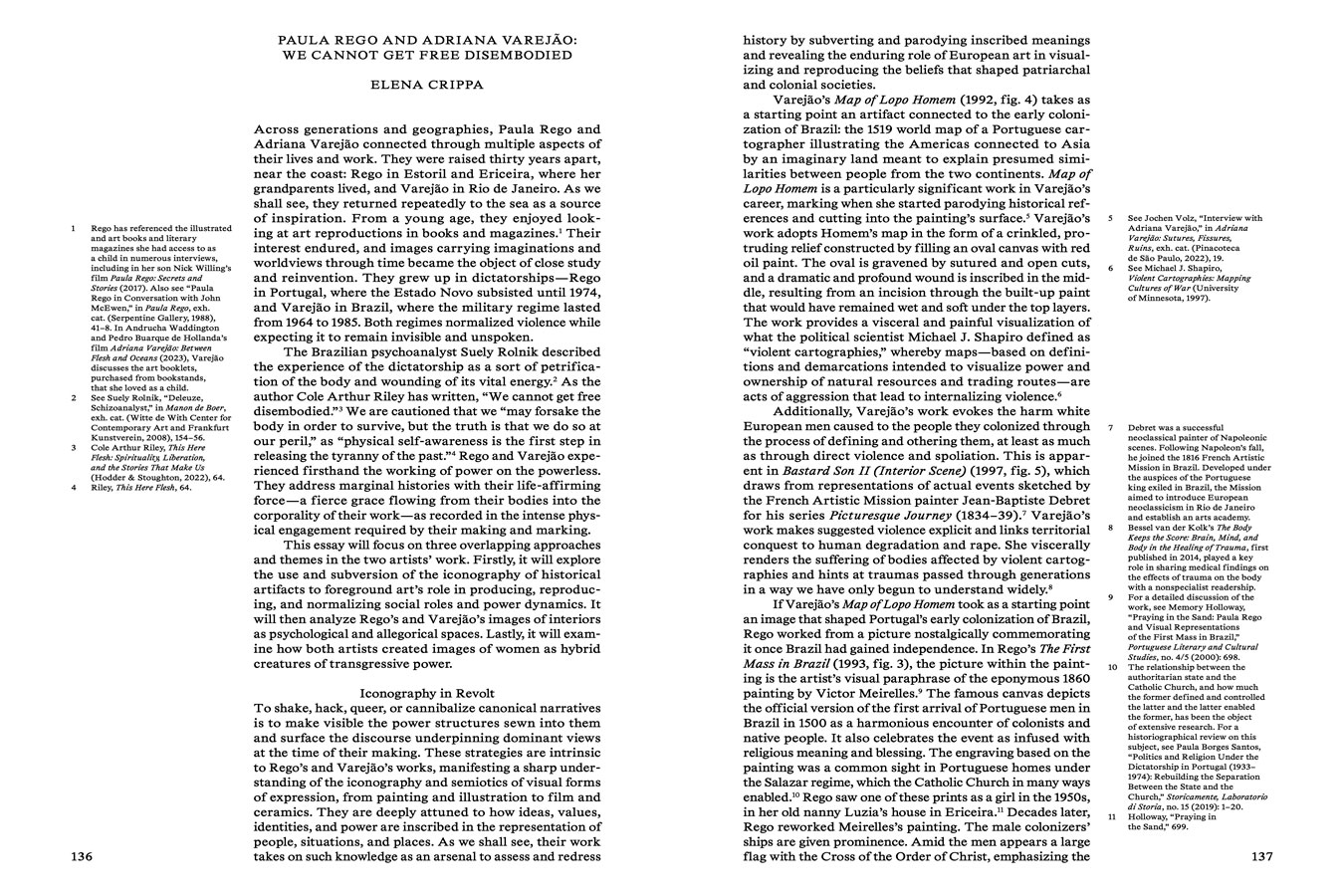
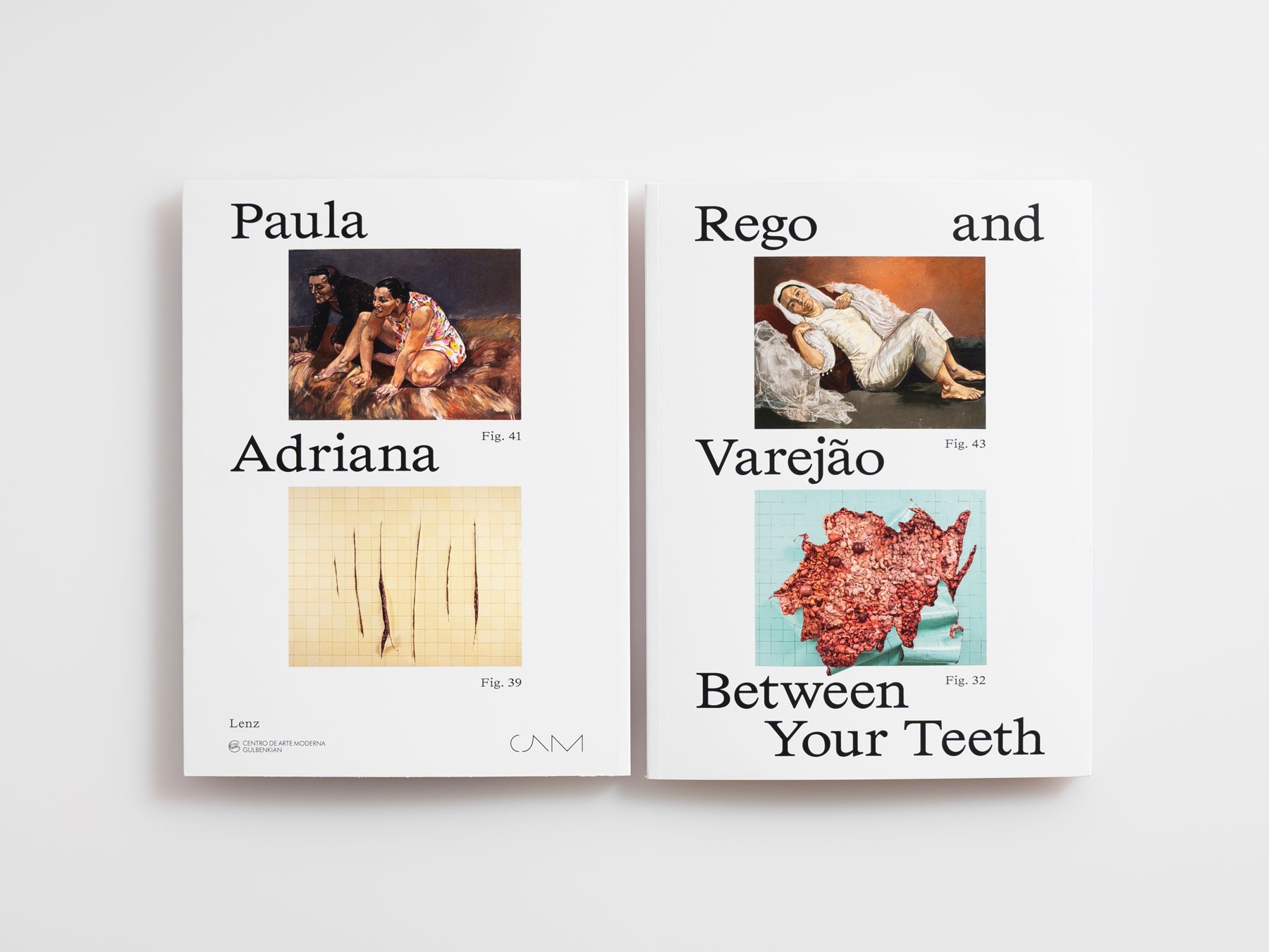
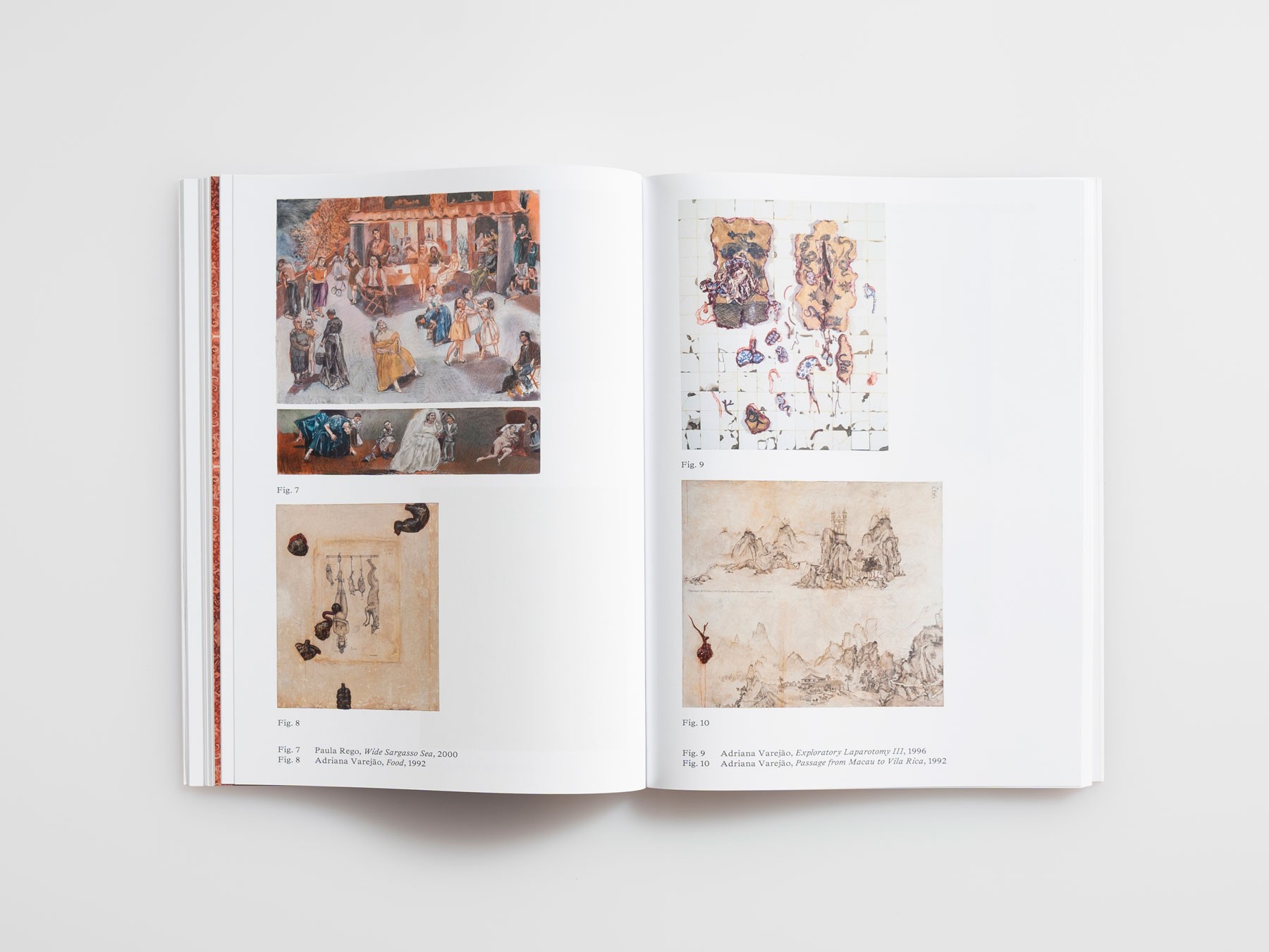
Paula Rego and Adriana Varejão. Between Your Teeth, published on the occasion of the eponymous exhibition held at CAM – Gulbenkian in Lisbon, explores convergences in the work of Paula Rego (Lisbon, 1935 – London, 2022) and Adriana Varejão (Rio de Janeiro, 1964), although they belong to different generations and come from different backgrounds.
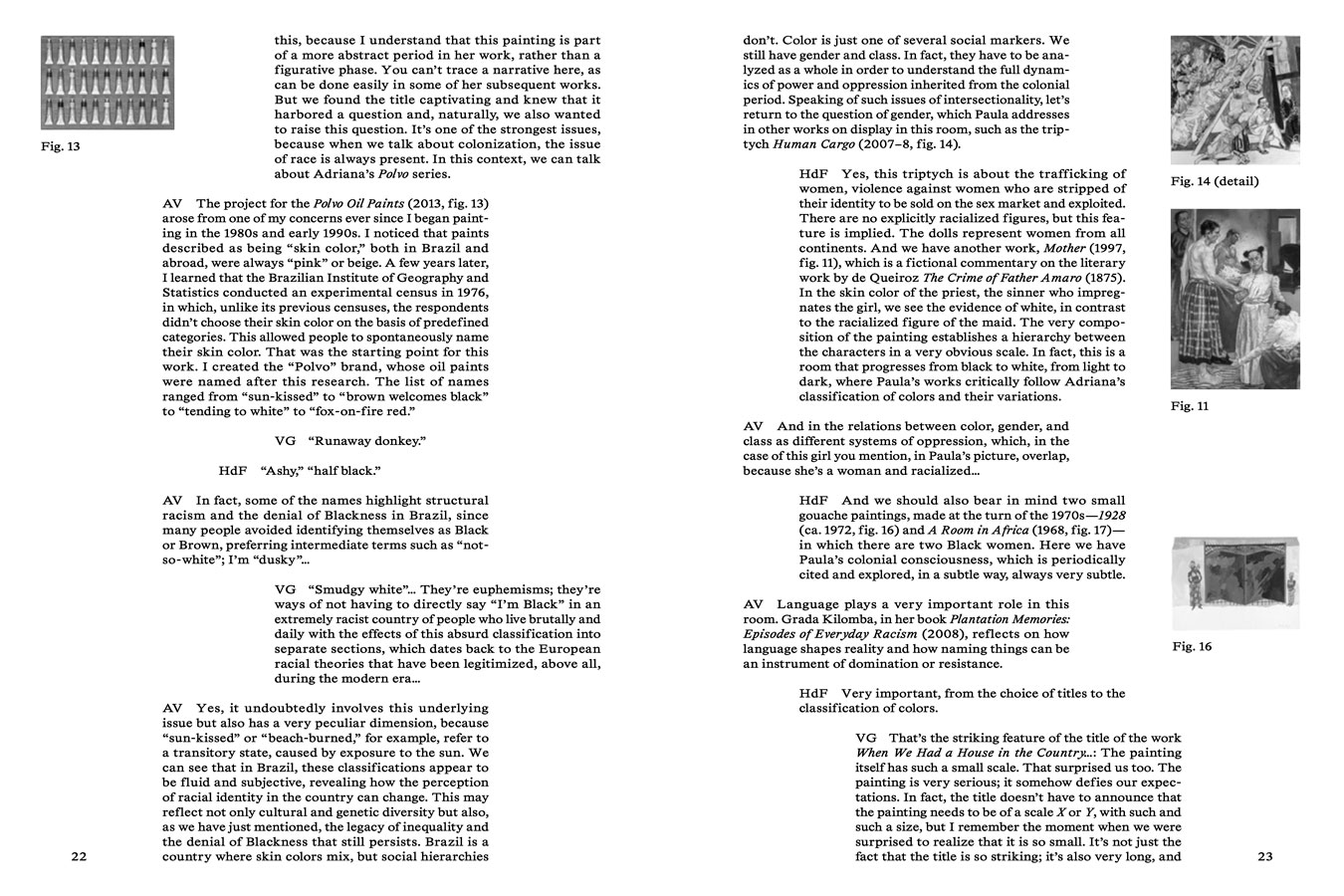
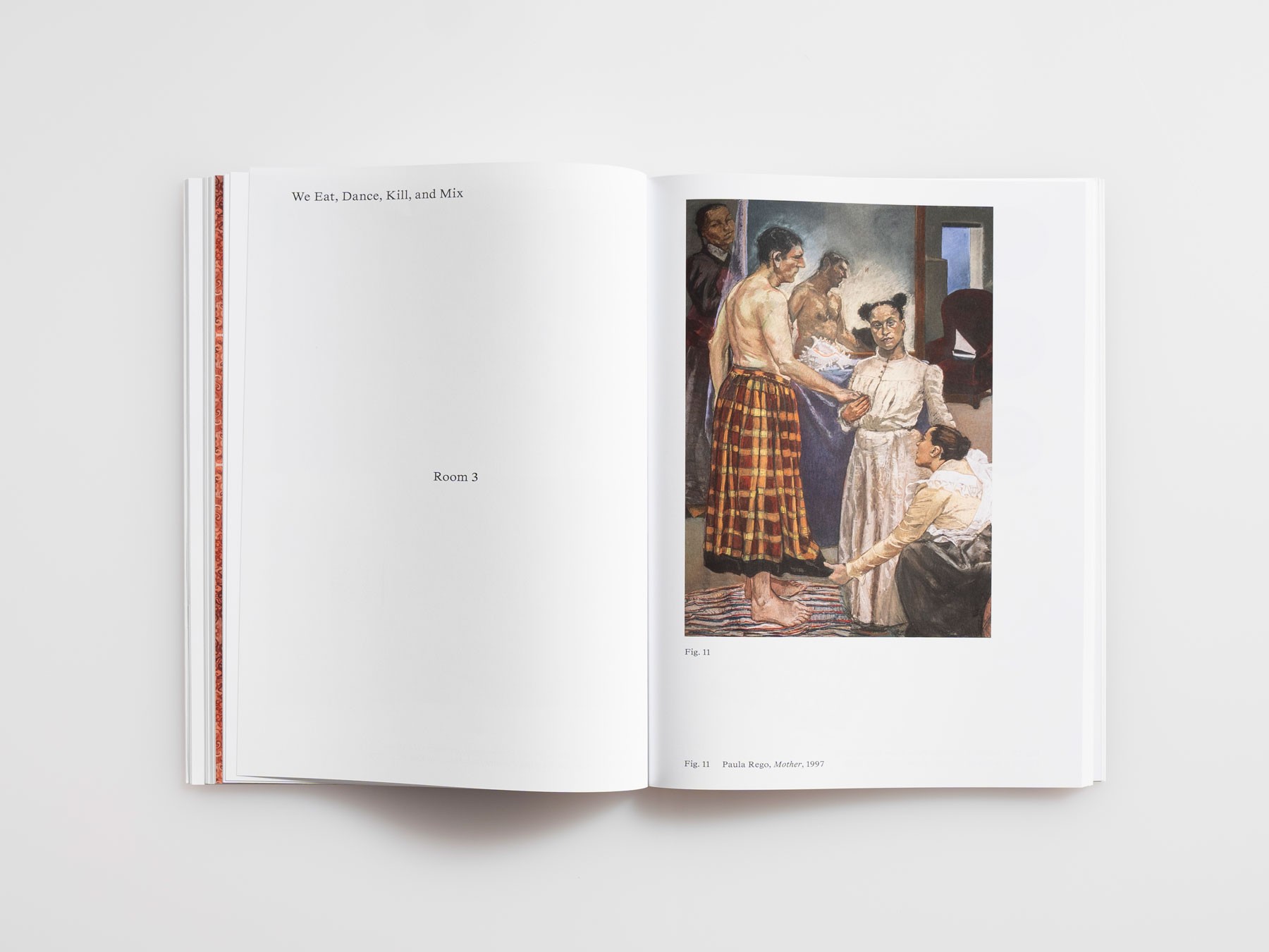
Curated by Adriana Varejão, Helena de Freitas, and Victor Gorgulho, the exhibition, which presents nearly 80 works—including paintings, engravings, sculptures, and installations—is divided into thirteen thematic rooms. The long conversation between the three curators, which forms the main text of the catalogue, reflects the structure of the exhibition, addressing the different thematic nodes and revealing the conceptual and methodological process that guided the selection of works.
The two essays by Raphael Fonseca and Elena Crippa, which complete the catalogue, offer further insights, by highlighting several similarities in the practice of the two artists from a critical perspective.
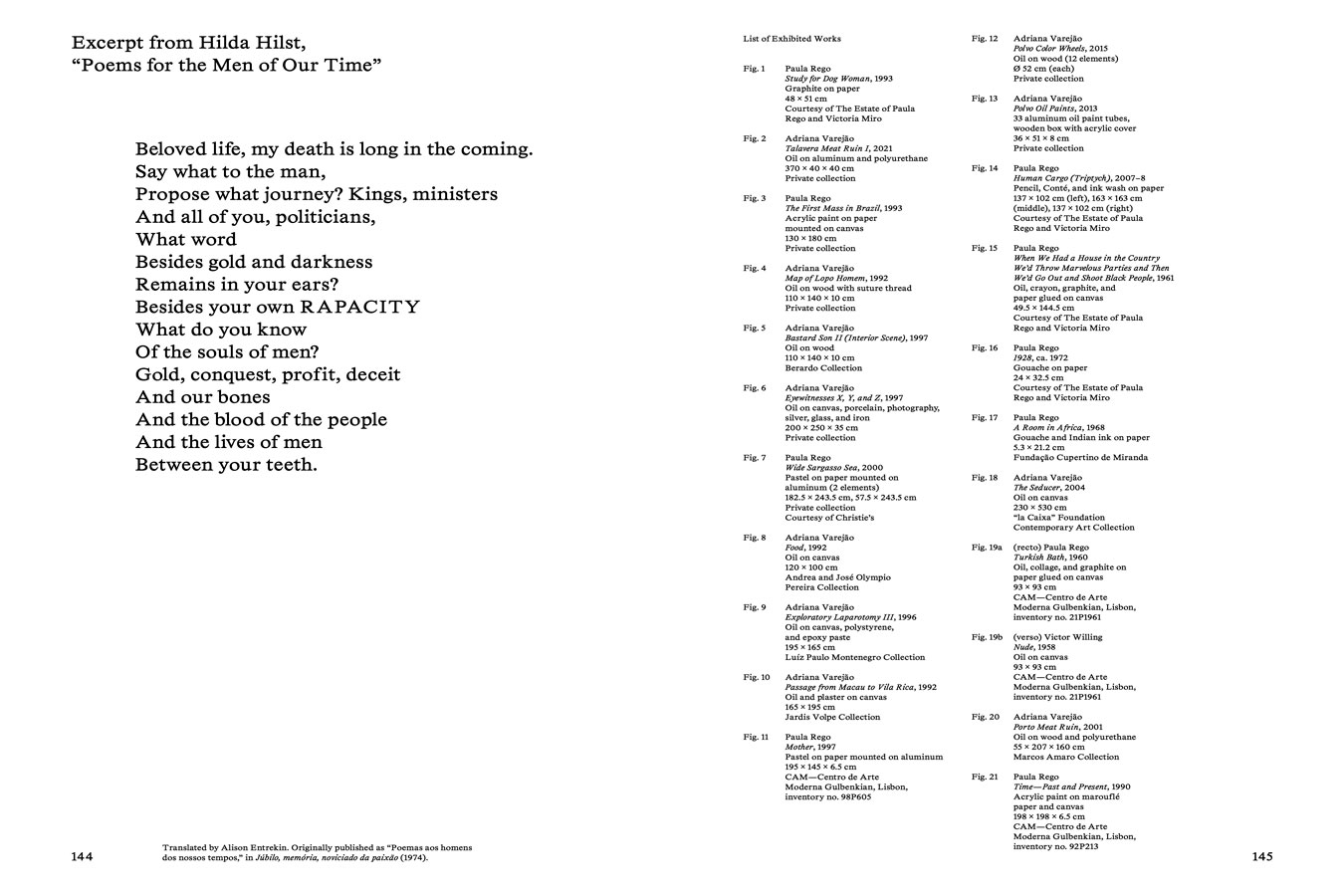
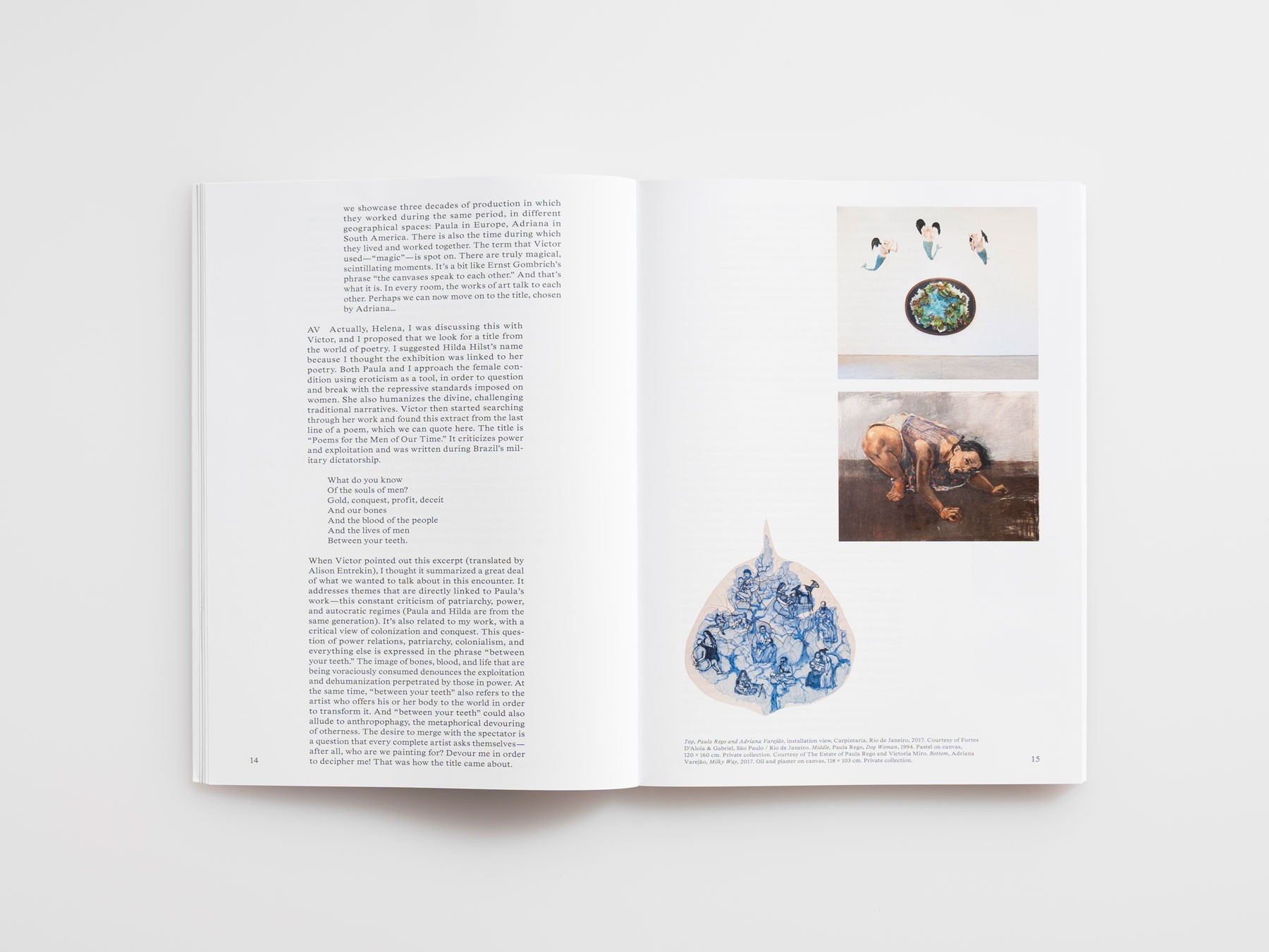
The title—Between Your Teeth—is a line taken from the 1974 Poemas aos homens do nosso tempo (Poems to the men of our time) by the Brazilian poet and novelist, Hilda Hilst, in a clear allusion to the dictatorial regime that had begun in Brazil in the previous decade. Hilst describes and criticises the power associated to greed, conquest, profit and exploitation. In their representations of literal and metaphorical bodies, Paula Rego and Adriana Varejão reflect on how patriarchy, colonialism and all forms of oppression mutually interact, “chewing up” people and their stories.
This is the artists’ first joint exhibition in Portugal, having already exhibited together in Rio de Janeiro (Carpintaria, 2017), when Paula Rego was still alive.
The catalogue fosters the encounter between Adriana Varejão, who has developed pioneering work in the field of postcolonial thought, and the work of Paula Rego, whose political force is developed by a productive tension between a private register and its public dimension, expanding the interpretive universe of the two artists.