This artist’s first monograph brings together sketches, documentation and installation shots, as well as an in-depth analysis of her practice. It highlights her process of making art, from the conception of an idea to the finished work, and from the deconstruction and re-assembling of her characters’ identities to the relentless creation of new worlds.
Published on the occasion of the first exhibition in Italy by Jenna Gribbon, staged at the Collezione Maramotti, Mirages showcases a wealth of images that highlight the fluid, sensual output of this artist who, in repeatedly portraying her wife, the musician Mackenzie Scott (aka TORRES), explores the implications inherent in seeing and being seen.
The catalogue of this ambitious project, held at the Centre d’Art Contemporain Genève in 2017, reflects on the centrality of writing in contemporary visual art practices. Documenting its slippages from printed matters to the digital realm, from voice modulations to its sculptural presence, this book celebrates the word in all its forms.
A book emerged from the need to try to tell the story of architecture in a way quite unlike how it’s usually told, in a continuous dialogue between the anthropological gaze of Armin Linke’s photos compared with the ideation process of two public works by the Carlana Mezzalira Pentimalli architecture office.
The book documents and brings together two exhibition projects by Nina Canell and Maria Hassabi. Essays, unpublished materials and a rich set of photographic materials form the driving force behind two visual narratives that offer new keys to understanding the research of the two artists.
Can art, literature, filmmaking, and music draw out, make visible, legible, audible, or even contestable the patterns in which our lives are held? Considering the work by Stan Douglas, Harun Farocki, Ingri Fiksdal, Åke Hodell, Stefan Panhans & Andrea Winkler, Susan Philipsz, and Elizabeth Price, this publication entertains this question.
Edited by Alessandro Rabottini and Leonardo Bigazzi with Bianca Stoppani
Authors: Cecilia Alemani, Erika Balsom, Étienne Bernard, Leonardo Bigazzi, Ali Cherri, Lorenzo Giusti, Stefanie Hessler, Priyesh Mistry, Alessandro Rabottini, and Stefan Tarnowski
Design by Lorenzo Mason Studio
2024, English, softcover, 21 x 28 cm, 192 pages
ISBN: 979-12-80579-46-1
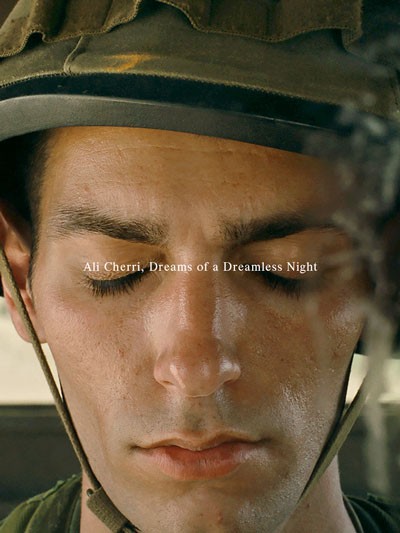
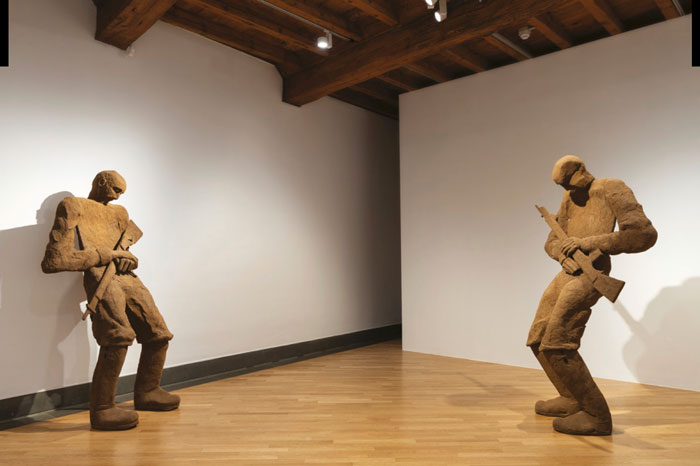
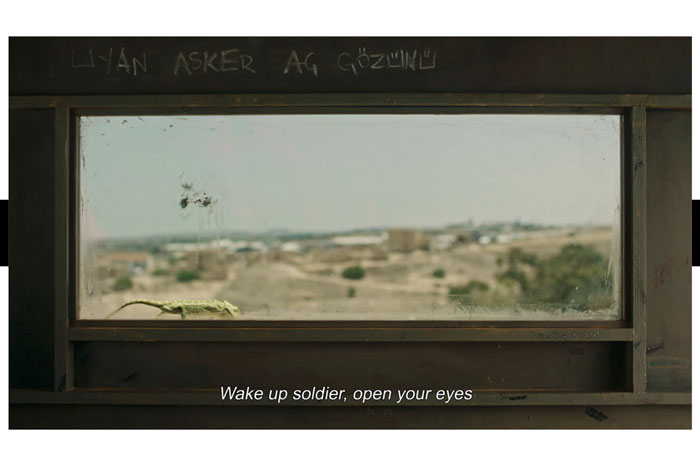
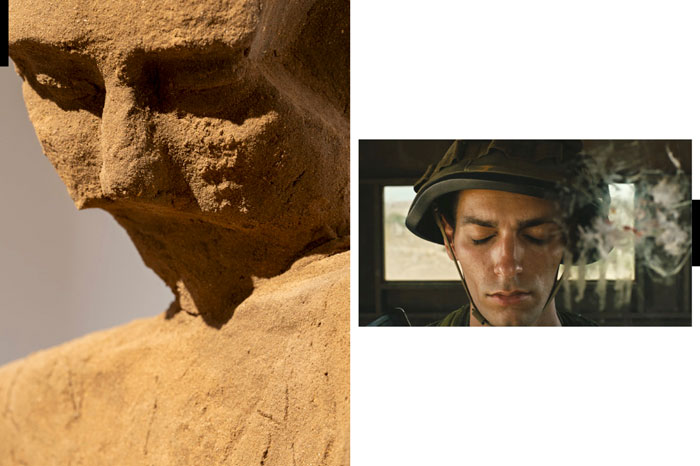
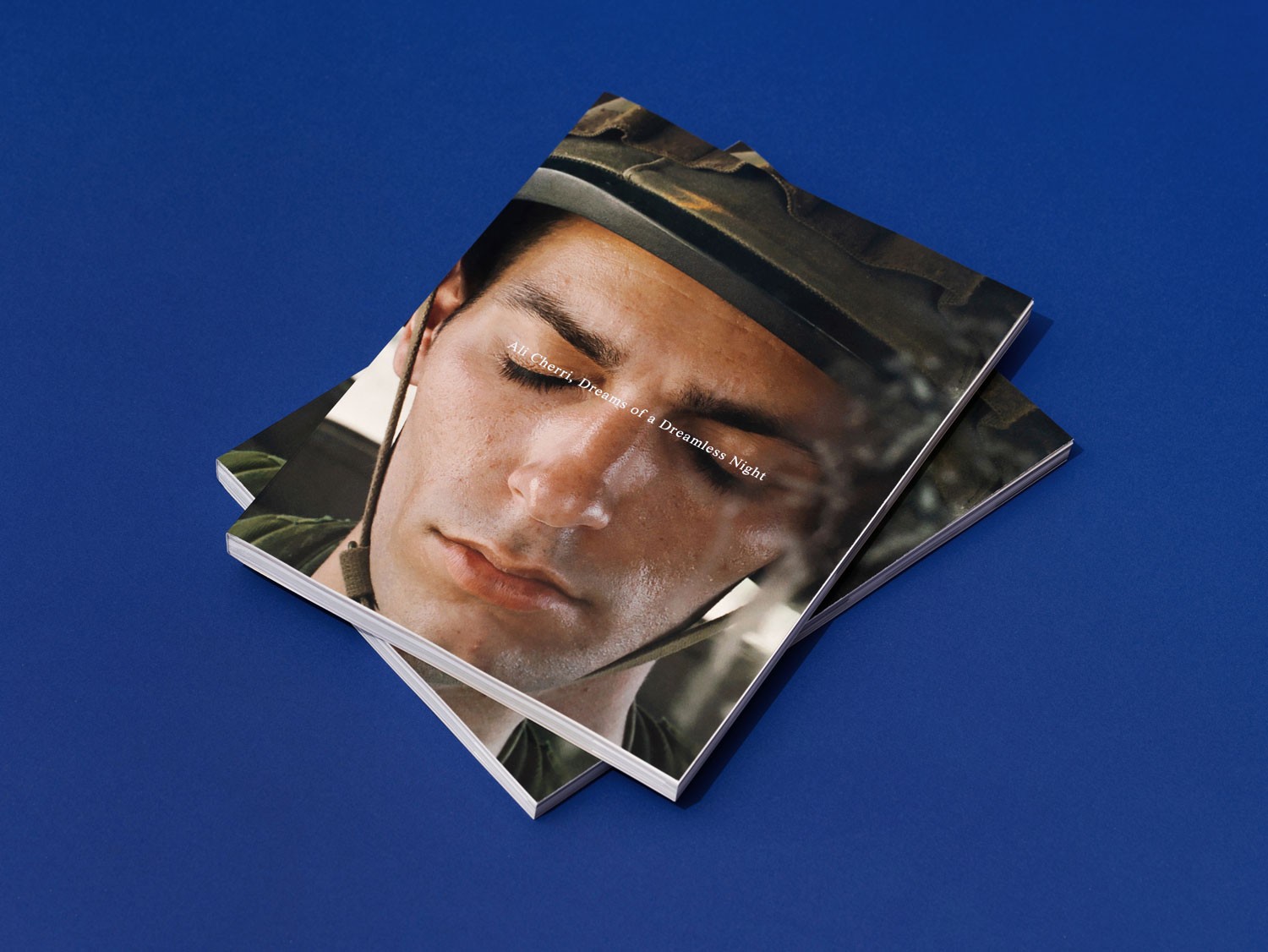
The publication is the first institutional monograph on the multimedia practice of artist and director Ali Cherri. It aims to highlight the constellation of ideas, themes, and formal concerns running through his most recent, highly significant projects.
Edited by Alessandro Rabottini and Leonardo Bigazzi, with Bianca Stoppani, this book provides an overview of the artist’s output over the past three years, teasing out both new strands for interpretation and formal links between his films, videos, sculptures, drawings, and installations.
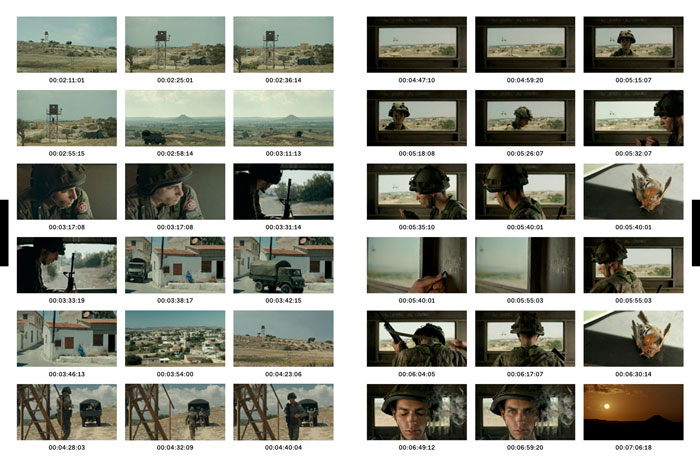
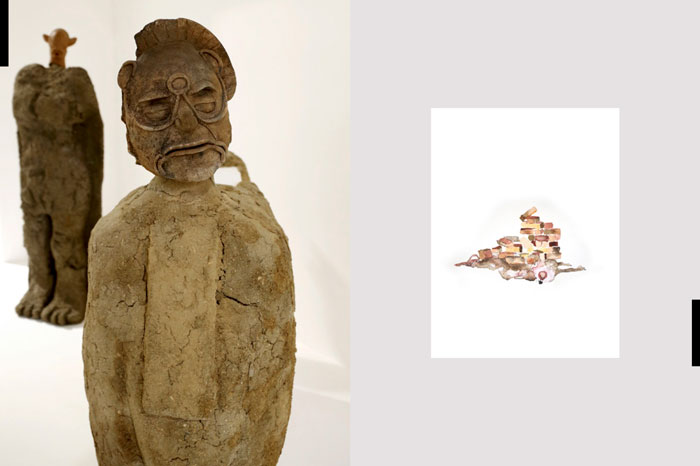
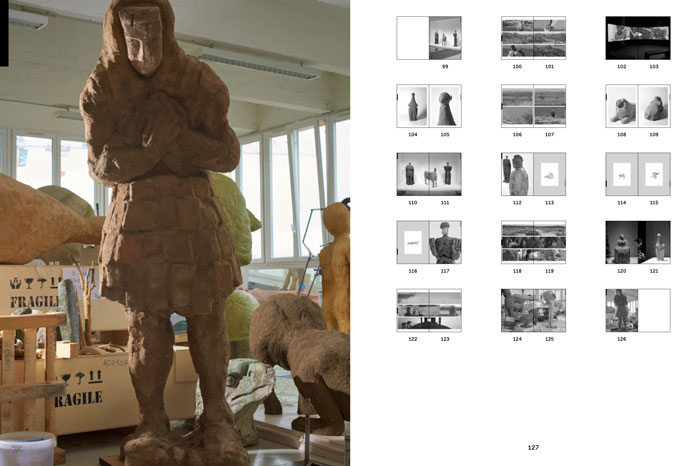
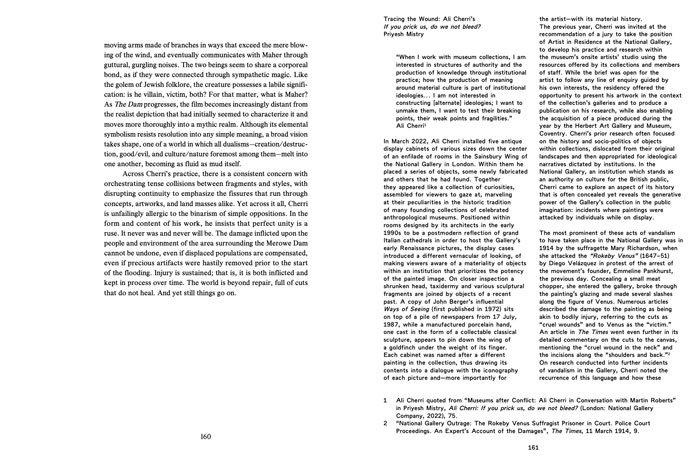
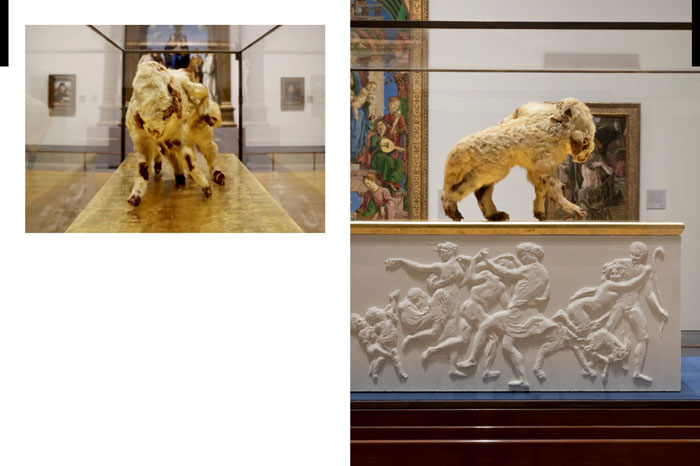
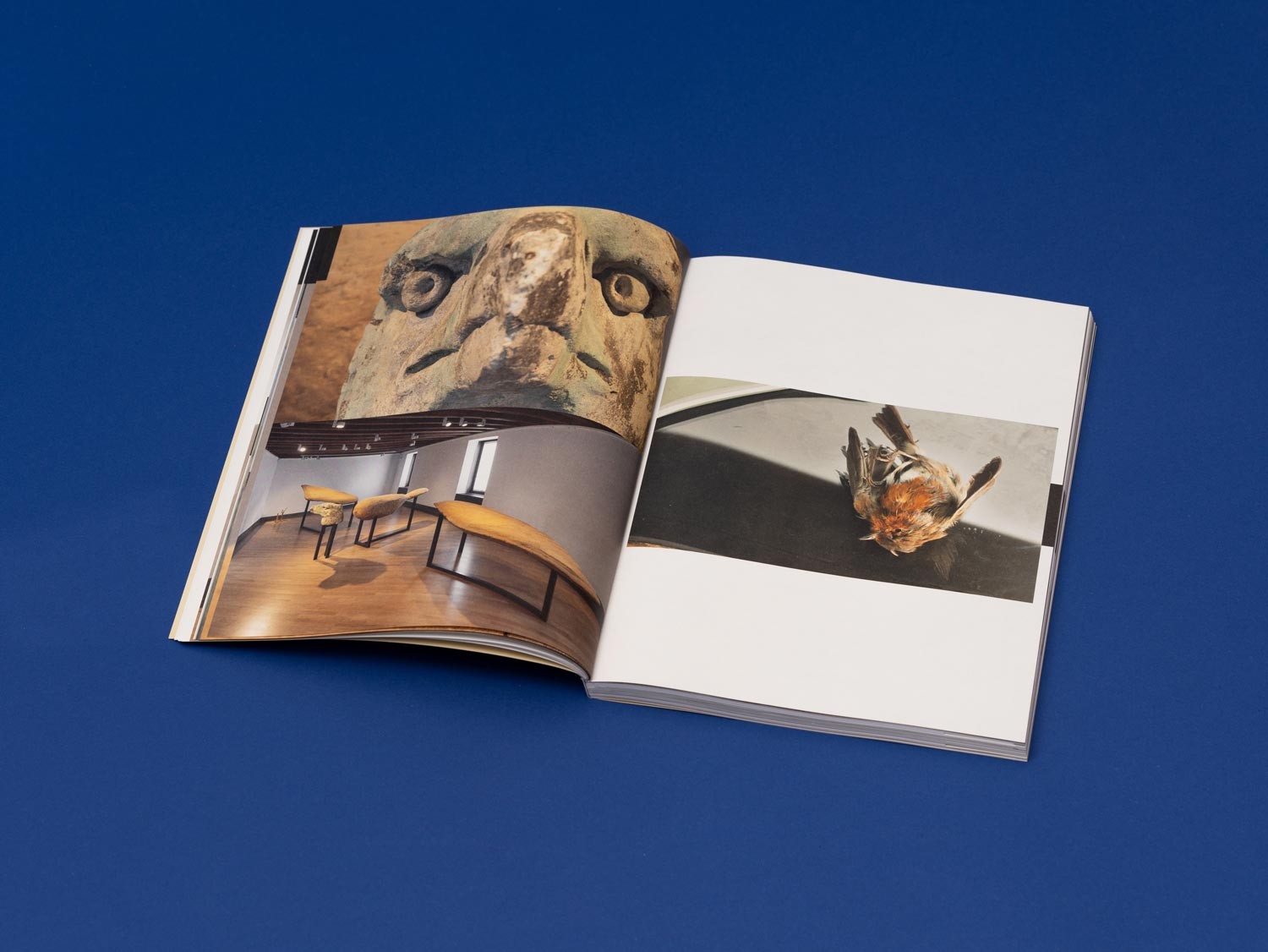
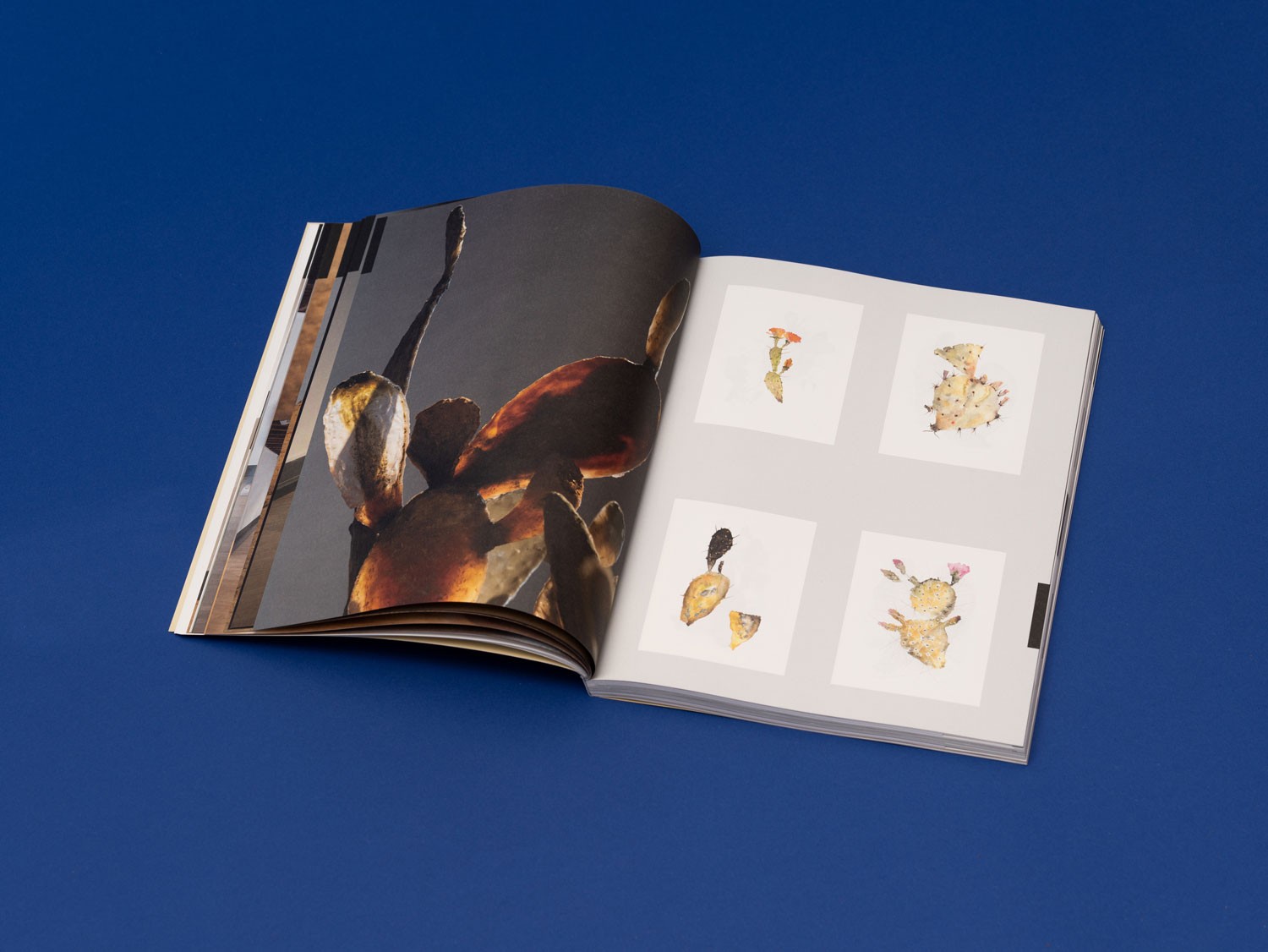
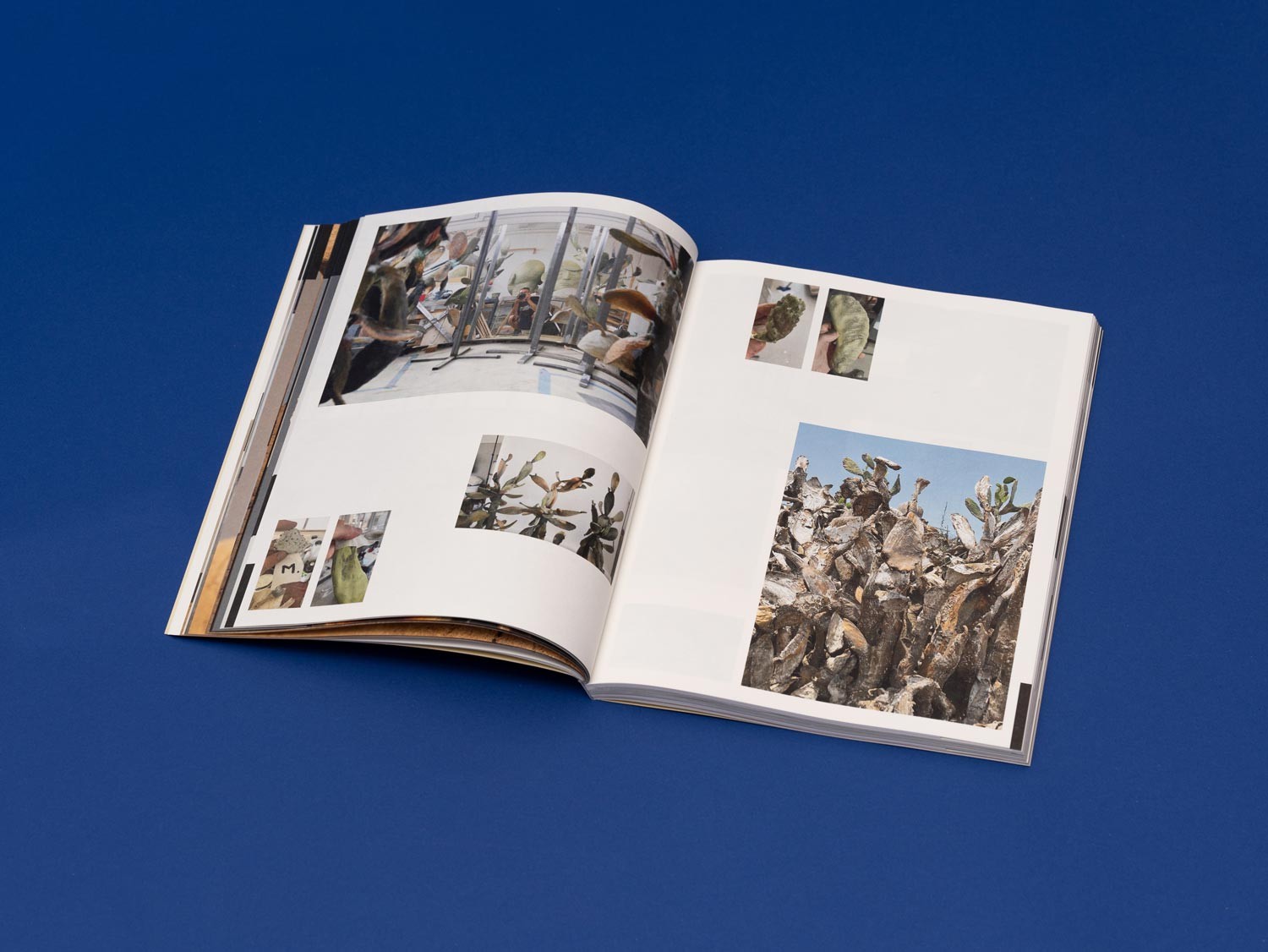
Originated by Fondazione In Between Art Film on the occasion of Dreamless Night—a comprehensive solo exhibition first staged at GAMeC in Bergamo, and later at Frac Bretagne in Rennes—the book showcases a number of newly commissioned essays that reflect upon Cherri’s most recent exhibition projects. Starting with the documenting of Dreamless Night, the book also covers Humble and quiet and soothing as mud, the 2023 exhibition at Swiss Institute in New York; his participation at Biennale Arte 2022 in Venice; and If you prick us, do we not bleed?, the exhibition held at the National Gallery in London following his residency at the museum in 2021. Each exhibition is also extensively illustrated by a visual essay conceived by the artist, encompassing not only the installation views but also images charting the development and production stages.
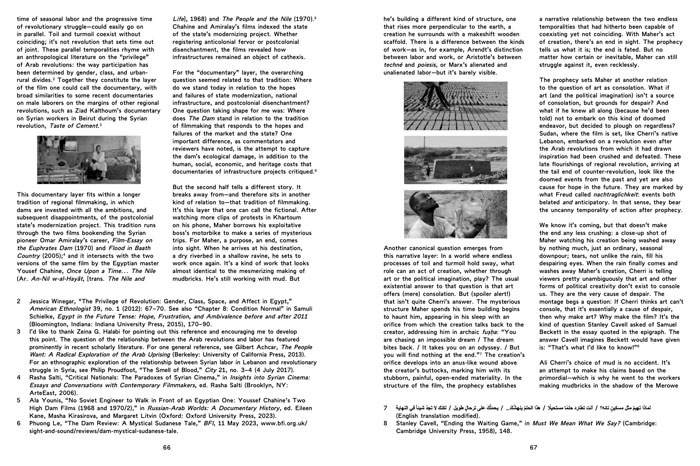
The book features a wide-ranging conversation between the artist, GAMeC director Lorenzo Giusti, and Étienne Bernard, director of Frac Bretagne, as well as essays by Alessandro Rabottini and Leonardo Bigazzi, curators of the exhibition Dreamless Night at GAMeC, and at Frac Bretagne; Cecilia Alemani, who curated the exhibition The Milk of Dreams for Biennale Arte 2022; Stefanie Hessler, director of Swiss Institute in New York; Priyesh Mistry, Associate Curator of Modern and Contemporary Projects at the National Gallery, London; Erika Balsom, Reader in Film Studies at King’s College, London; and Stefan Tarnowski, Early-Career Research Fellow in AMES and Social Anthropology at Corpus Christi College, University of Cambridge.
This publication was made possible thanks to the support of Galerie Imane Farès.